
On This Page
Hunting for public Wi-Fi or draining your phone’s battery for a hotspot can be incredibly frustrating. Whether you are a student, a remote worker, or a traveler, having a dedicated** tablet with SIM card** ensures you stay connected no matter where you are.
1. What Is A Tablet With SIM Card, and Why Do You Need One?
A tablet with a SIM card (or eSIM) uses cellular networks to access the internet, bypassing the need for local Wi-Fi or phone hotspots. These devices feature built-in 4G LTE or 5G modems, allowing you to browse, stream, and work from anywhere.
A tablet equipped with a SIM card might be essential if you need constant internet connectivity on the go.
They are ideal for travelers, remote workers, and field professionals who need reliable internet without hunting for open networks or dealing with the security risks of public Wi-Fi.
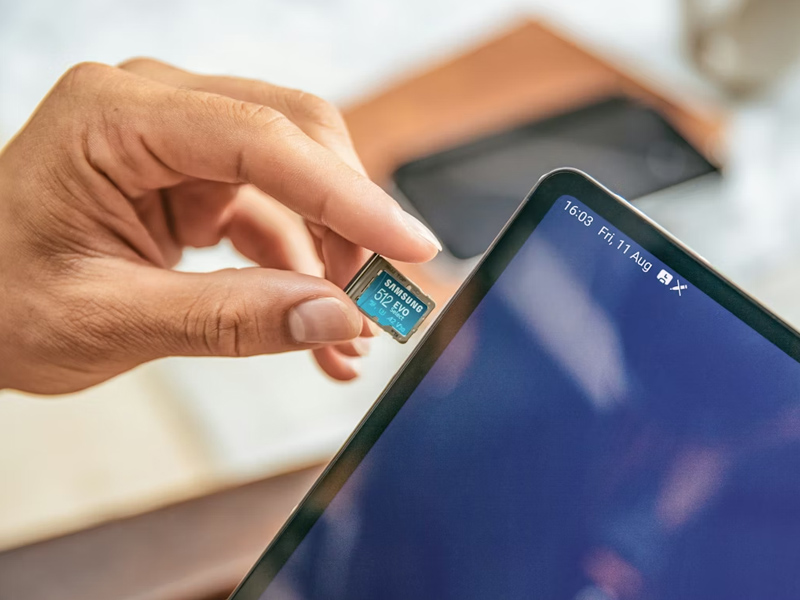
A tablet with a SIM card uses cellular networks to access the Internet (Image by Unsplash)
Many may not know that they can get free SIM cards and even free devices through the help of an assistance program and its service providers.
What is the Lifeline Program?
The Lifeline Program is a federal government assistance initiative designed to make communication services more affordable for low-income households.
4. Frequently Asked Questions
Can I use my existing SIM cards for phones in a tablet?
Generally, yes. Most modern SIM cards for phones are compatible with cellular-enabled tablets. However, to ensure optimal 4G/5G speeds and network stability, it is recommended to use the SIM card provided by your carrier for that device.
Do I need Wi-Fi to use the tablet?
No. Because the device has a built-in cellular modem, it functions similarly to a smartphone. You can access the internet anywhere you have a cellular signal.
Can I have more than one Lifeline account?
No. Federal rules strictly limit the Lifeline benefit to one discount per household.