
On This Page
1. Why Does the Government Give Free Cell Phones?
Many people still wonder, “Why does the government give free cell phones?”
The “free government phones” people talk about aren’t actually handed out directly by the government itself. Instead, they come through a federal benefit called the Lifeline Assistance Program, created by the Federal Communications Commission (FCC)to help low-income households afford essential phone service.
Lifeline has been around since 1985 and was designed to ensure that everyone, especially people with limited income, can stay connected to:
- Family and caregivers
- Employers and job resources
- Healthcare providers and emergency services
- Online services for education and daily needs
2. What Are the Free Government Phones?
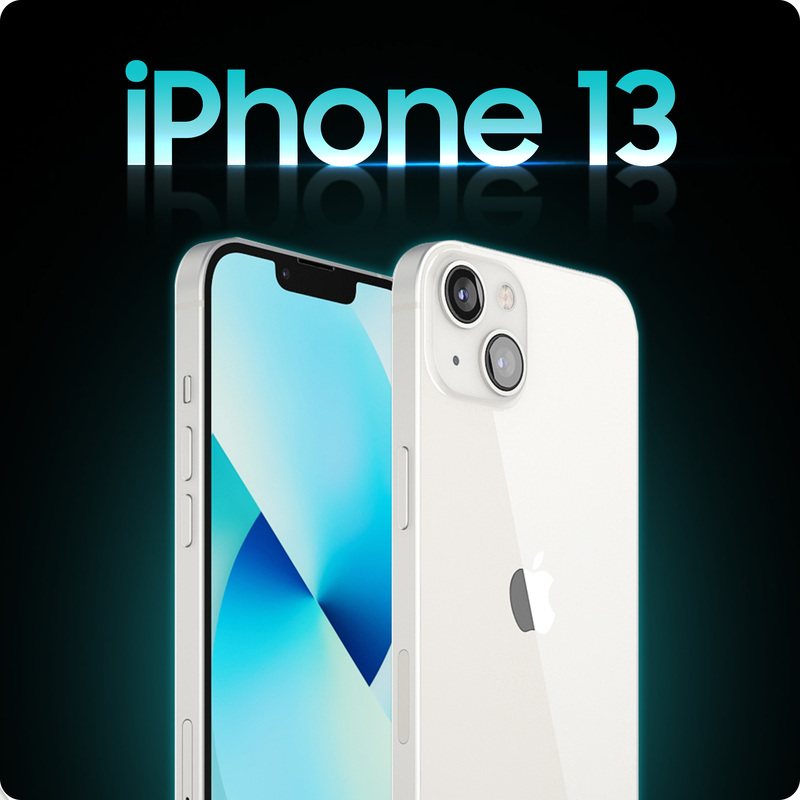
What are the free government phones? The availability depends on eligibility and the provider’s device lists.
When people ask “What are the free government phones”, they are often surprised to learn that there is no single official “government phone.”
Across the Lifeline program, the exact name and model of the phone you receive varies by provider and state. Most “free government phones” come from popular brands that include:
- Samsung: widely available Android smartphones
- Motorola: reliable Android options with good battery life
- Basic Android devices: entry-level but functional phones (Brand availability depends on provider inventory and your ZIP code.)
Unlike myth, there is no single “government-branded” phone model. The phones come from established manufacturers and are distributed by Lifeline carriers participating in the federal program.
Free models under Lifeline program
- Apple iPhone models: Classic iOS devices many users prefer
- Samsung Galaxy series: Android smartphones with robust features
- Android phones from multiple brands: Including mid-range devices that get the job done daily
- Free models are offered based on availability and state eligibility.
These free phones typically come with:
- Unlimited talk & text
- Free data each month (varies by plan)
- No contracts or credit checks
Upgrade options for eligible users
- Pay a small copay for newer or premium models
- Access better performance, larger screens, or faster processors
- Select from expanded device catalogs that include newer Android or Apple phones
These upgrades make it easier to get a smartphone that meets your needs and stays within your budget.
Network coverage and SIM options
- A SIM card is included at no additional cost
- Your device arrives ready for activation
- Activation can be completed online in just a few steps, without visiting a store
4. How to Apply for a Free Government Phone?
- Check eligibility: You must meet income guidelines or participate in a qualifying government program (e.g., Medicaid, SNAP, SSI).
- Gather documents: Proof of income or program participation, photo ID, and address.
- Submit your application online: Fill out information and upload verification.
- Wait for approval: Once approved, choose your free phone or upgrade option based on availability.
This process helps ensure that only eligible households receive the benefit while keeping the application simple and accessible for those searching for “What are the free government phones” through federally supported programs.
5. FAQs About Free Government Phones
How long does it take to get approved?
Approval timing varies by state and the completeness of your application. Many applicants receive confirmation within a few days to a few weeks after submitting eligibility information and documentation.
Can I choose which phone I get?
Conclusion
So, “What are the free government phones?” They are quality smartphones, typically from brands like Samsung, Motorola, Apple, and other Android makers, made available through the federal Lifeline Assistance Program to help eligible low-income households stay connected.
- Free smartphones
- Unlimited monthly service (talk, text, and data)
- No contracts or credit checks
- Upgrade options for more advanced devices
This benefit removes a major barrier to communication for millions of Americans, ensuring people can stay connected with family, healthcare providers, employers, and essential services.