

On This Page
If you rely on SNAP benefits, one of the most common and confusing questions is what can you not buy with EBT. Many people assume that if something is sold in a grocery store, it must be eligible. However, SNAP restrictions are more specific than most shoppers expect.
This guide breaks down restricted categories, explains the reasoning behind federal guidelines, and answers common questions people often have when shopping. By knowing the rules in advance, families can shop with confidence, make smarter decisions, and ensure their assistance is used in ways that truly support everyday essentials.
1. What Does an EBT Card Not Cover?
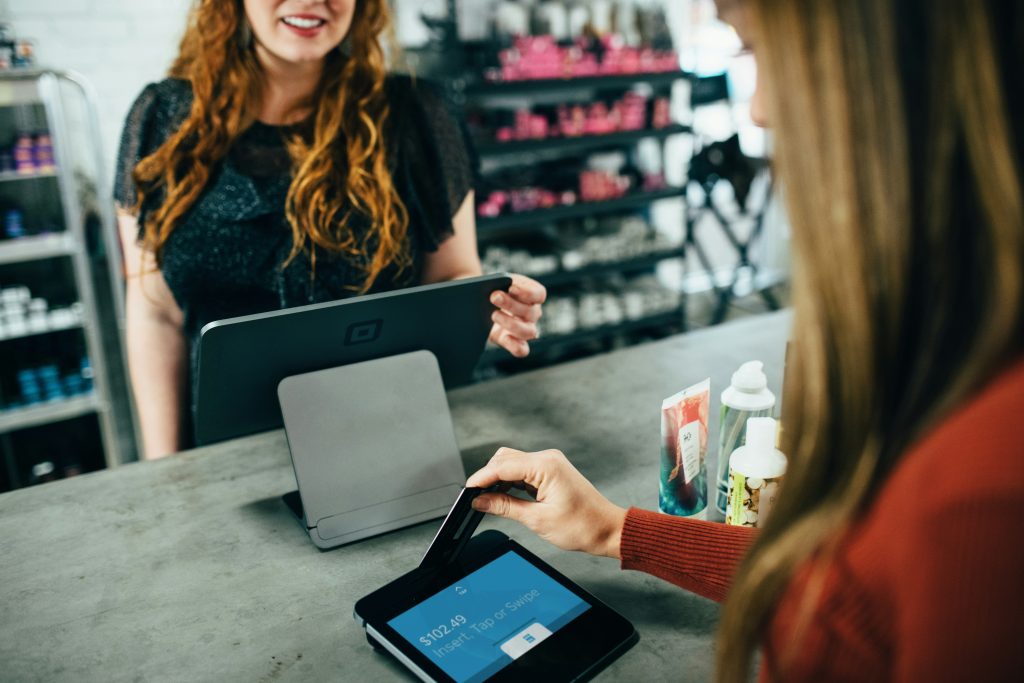
What can you not buy with EBT (Image by unplash)
To clearly understand what can you not buy with EBT, it’s important to know the purpose of SNAP. SNAP is designed to help households afford food they can prepare and eat at home. Because of this focus, many everyday products are excluded.
So, what does an EBT card not cover? In general, EBT does not pay for non-food items, hot meals, or products that do not directly support basic nutrition. Even if an item feels essential, it may still fall under what can you not buy with EBT due to federal SNAP rules.
Items That Are Strictly Prohibited Under SNAP Rules
When people search for what items are not allowed on EBT, they are often surprised by how broad the restrictions are. SNAP does not allow any form of alcohol or tobacco, including beer, wine, cigarettes, or vaping products. Vitamins, supplements, and medicines are also excluded, even when they are sold near food items.
Pet food, household supplies, and hygiene products are another major part of what can you not buy with EBT. These items are considered non-food expenses and are therefore not eligible under SNAP restrictions.
Non-Food Products You Cannot Buy With EBT
A common source of confusion around what can you not buy with EBT** **is non-food items sold at grocery stores. Things like shampoo, toothpaste, paper towels, diapers, and cleaning supplies are never eligible, even though many families consider them necessities.
This reinforces what does an EBT card not cover: anything not meant to nourish a person. Knowing this helps prevent declined transactions and misunderstandings at checkout.
Hot Foods, Prepared Meals, and Other Ineligible Food Items
Another major category under what can you not buy with EBT includes hot or ready-to-eat foods. SNAP generally does not allow hot meals, deli foods meant for immediate consumption, or restaurant meals.
For example, hot rotisserie chicken or hot pizza is considered ineligible, while a cold packaged meal may be allowed. These rules often surprise first-time users and are a key part of understanding what items are not allowed on EBT.
Why These Items Are Not Eligible for EBT Purchases
Many users wonder why SNAP rules are so strict. The answer lies in the program’s goal. SNAP is designed to promote nutrition and food security, not convenience or lifestyle spending. This is why what can you not buy with EBT includes prepared meals, alcohol, and non-food products.
By limiting purchases, SNAP ensures benefits are used in a way that supports long-term health and proper food access.
2. Common Questions About SNAP Restrictions
Despite clear rules, people still have questions related to what can you not buy with EBT. Below are answers to the most common ones.
What Is the Most Purchased Item on EBT?
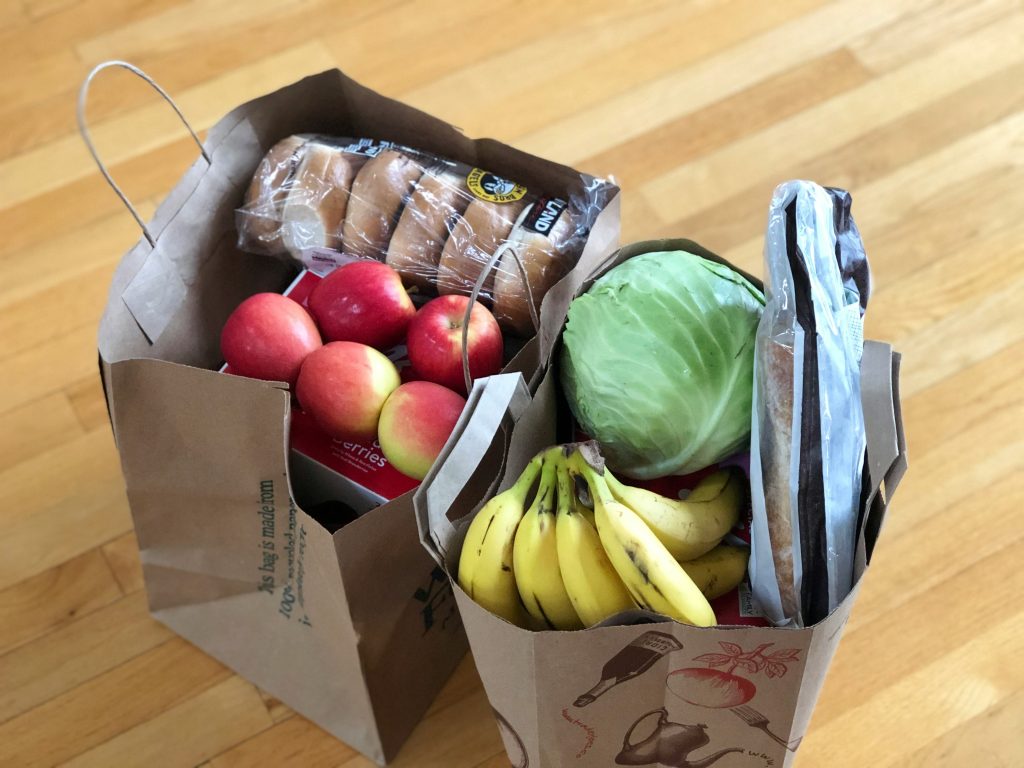
**EBT’s top purchases (Image by unplash) **
One of the most searched questions alongside “What can you not buy with EBT?” is “What is the most purchased item on EBT?”. Studies and SNAP spending data consistently show that staple foods such as bread, milk, rice, eggs, fruits, and vegetables are among the top purchases.
This clearly shows the contrast between everyday food items and what items are not allow on EBT.** **
Can You Use EBT to Buy Other Things Outside the Allowed List?
Another frequent question is can you use EBT to buy other things if food prices are low. The answer is no.
SNAP EBT cannot be used for cash withdrawals or non-food spending. Gas, clothing, electronics, and household items all fall under what does an EBT card not cover.
Some households qualify for separate cash assistance programs, but SNAP EBT itself is strictly limited to approved food items.
3. What You CAN Get with EBT, Not Just Food
Although this guide mainly explains what can you not buy with EBT, understanding what is allowed can help you stretch your SNAP benefits further and shop with confidence. SNAP is designed to support everyday nutrition, so most basic grocery items are fully eligible for purchase with an EBT card.
You can use EBT to buy fresh fruits and vegetables, whether they are whole, cut, frozen, or canned, as long as they do not include added hot preparation. Pantry staples such as rice, pasta, cereal, bread, flour, and cooking oil are also covered.
Meat, poultry, seafood, eggs, and dairy products like milk, cheese, and yogurt are all allowed, making it easier to prepare balanced meals at home. In addition, snack foods and non-alcoholic beverages, including chips, cookies, bottled water, and soft drinks, are generally eligible under SNAP rules.
One lesser-known benefit is that SNAP also allows you to buy seeds and plants that produce food. This option supports long-term food security by helping households grow fruits and vegetables at home.Beyond groceries, many SNAP recipients qualify for extra assistance programs.
Conclusion
Knowing the limits of your benefits is just as important as knowing what’s permitted. Clear rules help ensure assistance programs stay focused on nutrition and household stability rather than nonessential spending. By understanding these restrictions and planning purchases ahead of time, households can avoid frustration at checkout and make every dollar count.
Staying informed also empowers recipients to use their benefits responsibly while exploring other support options for non-covered needs. With the right knowledge, shopping becomes easier, more efficient, and better aligned with the purpose of the program.