
On This Page
Your phone works seamlessly every day: making calls, sending messages, and connecting to the internet. But behind all of that is a small component that makes it possible: the SIM card.
So, what does a SIM card do, and why is it essential for mobile connectivity? Understanding its role can help you make sense of how your device connects to a network and stays linked to your carrier.
1. What Does a SIM Card Do? Main Functions
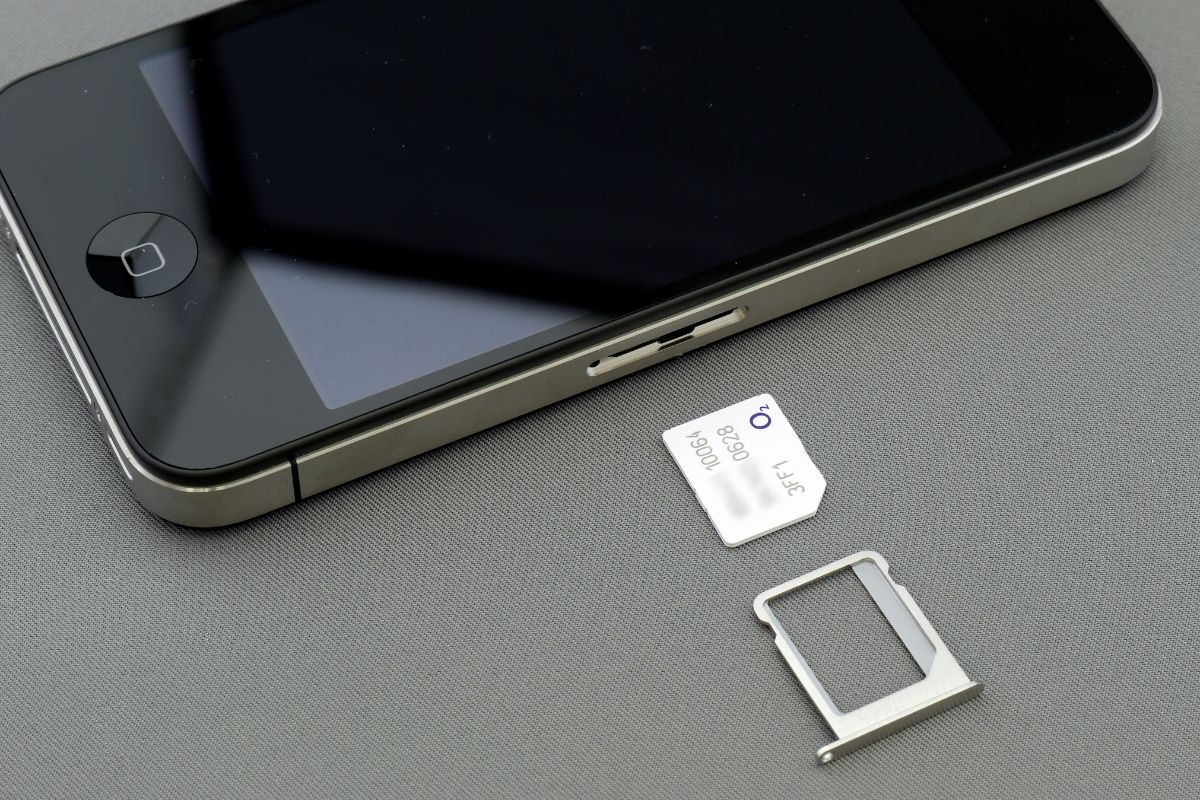
A SIM card (Subscriber Identity Module) is a small chip that identifies your device on a mobile network. Instead of focusing on what your phone can do, the SIM card’s main role is to authenticate your identity and connect you to your carrier’s system.
It stores key information such as your phone number, carrier details, and security credentials. When you insert a SIM card into your phone, it allows the network to recognize you as a subscriber and grant access to services.
In simple terms, if your phone is the device, the SIM card is what links it to the network, enabling communication and mobile service functionality.
Connects Your Phone to a Carrier Network
One of the primary functions of a SIM card is to connect your device to your carrier’s network. It contains unique identifiers, such as the IMSI (International Mobile Subscriber Identity), that allow the network to recognize your phone and grant access to its services.
Without a SIM, your phone cannot authenticate with the carrier, making it impossible to make calls, send texts, or use mobile data. By storing this critical information securely, the SIM ensures that only authorized users can access the network, maintaining both connectivity and security.
Stores Your Phone Number and Account Info
A SIM card also stores your phone number and essential account information linked to your mobile plan. This allows your carrier to manage your subscription, track usage, and provide billing or service updates. It ensures that calls and messages are properly routed to your number, even if you switch devices.
While the SIM holds this key data, it does not store extensive personal files or apps, so understanding what does a SIM card do clarifies its role as a connectivity tool rather than a primary storage device.
Enables Calls, Texts, and Mobile Data
With a SIM card in place, your phone can make calls, send SMS messages, and access mobile data for internet usage. The SIM acts as a bridge between your device and the carrier, facilitating seamless communication. It also supports features like roaming, allowing you to stay connected while traveling.
By managing authentication and network access, the SIM ensures that these services work reliably and securely, highlighting why it is an essential component for all mobile devices.
What does a SIM card do? (Image by Unsplash)
2. What a SIM Card Does NOT Do
While a SIM card is essential for network connectivity, it does not handle many functions that users often assume it can. Understanding what a SIM card cannot do helps clarify its role and prevents misconceptions about mobile device capabilities.
Store Photos or Apps
A common misconception is that a SIM card can store photos, videos, or apps. In reality, SIM cards have very limited storage capacity, mainly reserved for network-related data like contacts and authentication keys. Your device’s internal storage or cloud services handle media files, applications, and app data.
Even if a few contacts or short SMS messages are stored on the SIM, it cannot function as a backup for personal files. This distinction is important to remember when organizing and protecting your digital content.
Control Your Phone
Another limitation of a SIM card is that it cannot control the phone’s functions or settings. It does not manage the operating system, apps, or device features like camera, display, or notifications. The SIM simply facilitates access to the carrier’s network, allowing the device to send and receive calls, messages, and data.
All device management, system updates, and app interactions are handled internally by the phone itself, meaning the SIM has no influence over how your phone operates beyond network connectivity.
Provide Internet Alone
A SIM card does not have the capability to connect to the internet on its own; it requires a mobile network to connect to the internet. Even though it allows your device to authenticate with the carrier and connect to a 4G or 5G network, it does not connect on its own.
Therefore, if you have a service plan or a network connection, inserting a SIM card does not connect you to the internet; otherwise, you cannot connect to the internet using a SIM card.
3. What Happens If You Remove the SIM Card?
Removing a SIM card from your phone can significantly affect how it connects to networks and uses certain features. Understanding what a SIM card does helps explain why some functions stop working while others remain accessible.
No Cellular Service
When you remove your SIM card, your phone loses its connection to the cellular network entirely. This means you cannot make calls, send SMS messages, or use mobile data. Without a SIM, the device cannot authenticate with your carrier, so the network will not recognize it as a valid subscriber.
Essentially, your phone becomes disconnected from cellular services until the SIM is reinserted or replaced, making it impossible to rely on standard mobile connectivity.
Wi-Fi Still Works
Even without a SIM card, your device can still connect to Wi-Fi networks. This allows you to access the internet, use apps, browse websites, and make calls or send messages via internet-based services like WhatsApp or Zoom.
Wi-Fi connectivity bypasses the need for cellular authentication, so the SIM’s absence does not affect online activities performed through wireless networks. This makes it possible to continue many tasks despite not having active cellular service.
Limited Functionality
While Wi-Fi-enabled features remain usable, many functions tied to mobile networks are unavailable without a SIM card. Features such as SMS texting, carrier-specific apps, mobile hotspots, and network-based location services will not work.
Additionally, certain apps that rely on phone number verification may fail. Understanding what a SIM card does clarifies that it primarily enables cellular connectivity, so removing it limits your phone’s ability to fully operate as a mobile device.
4. A SIM Card Is What Turns Your Phone Into a Fully Connected Device
- Check your eligibility based on income level or participation in qualifying government programs
- Select your preferred plan and free device if available
- Complete the online application with accurate personal and eligibility information
- Upload any documents if required for verification
- Submit the application and wait for approval confirmation
- Receive your SIM card or device and follow activation instructions to start using your service immediately
5. FAQs About SIM Cards
Many people have questions about the role and limitations of SIM cards in modern mobile devices. Understanding these details can help you manage your phone, data, and connectivity more effectively.
Can a phone work without a SIM card?
Yes, a phone can function without a SIM card, but its capabilities will be limited. You can still use Wi-Fi to access the internet, apps, and services like email or video calls. However, you will not be able to make regular cellular calls, send SMS messages, or use mobile data without a SIM card.
Does a SIM card store your data?
A SIM card stores only essential network-related information, such as your phone number, account identifiers, and limited contacts or text messages. It does not store photos, apps, videos, or other personal files. Most personal data is saved on your device’s internal storage or cloud services, not on the SIM.
Does every phone have a SIM card?
Most modern phones use a SIM card or eSIM to connect to mobile networks. However, some devices, such as certain Wi-Fi-only tablets or specialized devices, do not include a SIM card slot. In these cases, connectivity is achieved exclusively through Wi-Fi.
Do all phones need a SIM card?
Not all phones strictly need a SIM card to function, especially if you rely solely on Wi-Fi. However, without a SIM card, a phone cannot access cellular networks for calls, texts, or mobile data. A SIM card is essential for full mobile connectivity on standard smartphones.
Final Words
Understanding what a SIM card does is essential for anyone looking to manage their mobile device effectively. While it primarily enables your phone to connect to a carrier network, store basic account information, and facilitate calls, texts, and mobile data, it does not hold personal files or apps. Knowing its role helps you protect your data and make informed decisions about upgrades or device changes.