
On This Page
If you’ve ever swapped phones or inserted a tiny chip into your device, you’ve already interacted with a SIM card, but most people still don’t fully understand it. What does SIM stand for? Here’s the answer for you.
1. What Does SIM Stand For?
The term SIM refers to “Subscriber Identity Module.”
This small chip is responsible for identifying you as a valid user on a mobile network. When people ask what does SIM stand for, they are really asking how a phone knows which account belongs to which device.
Your SIM is essentially your digital identity card for mobile communication. Without it, your phone may still function on Wi-Fi, but it cannot connect to cellular networks for calls, texts, or mobile data.
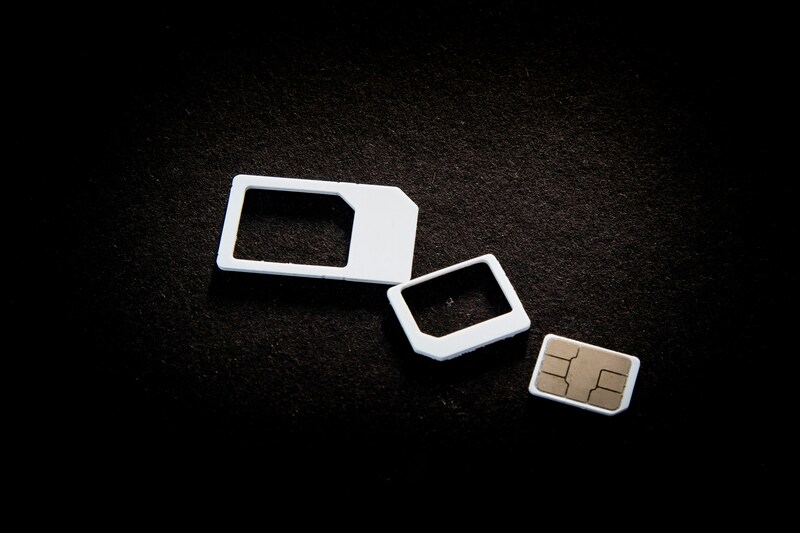
What does SIM stand for? And what information does a SIM card hold? (Image by Unsplash)
2. What Information Does a SIM Card Hold?
To fully understand what SIM stands for, you also need to know what data is stored inside it. A SIM card is not just a connector; it stores essential information that enables your phone to communicate securely with carriers.
Phone number and subscriber identity
One of the most important elements stored on a SIM is your subscriber ID and phone number. This is what links your device to your mobile account and ensures you can be reached correctly.
Carrier network details
Another key function is controlling which mobile networks your device can access. This is part of how your phone knows whether it can connect to LTE, 5G, or roaming networks when you travel.
Contacts and limited storage (older SIMs)
In earlier phones, SIM cards could also store contacts and a small number of text messages. While this is less common today, it still exists in some older devices.
Security data and authentication keys
Your SIM also contains encrypted security keys that verify your identity every time your phone connects to a tower. This prevents unauthorized access and ensures only approved devices can use the network.
2. Types of SIM Cards Explained
SIM technology has evolved to meet the demands of modern smartphones and networks.
Standard SIM vs micro SIM vs nano SIM
Over the years, SIM cards have become smaller:
- Standard SIM (used in older phones)
- Micro SIM (early smartphone generation)
- Nano SIM (most modern phones today)
Even though they differ in size, they all serve the same core function: connecting your phone to a mobile network.
What is eSIM and how does it differ?
An eSIM is a digital SIM built directly into your phone. Instead of inserting a physical card, the carrier profile is downloaded electronically. This modern version expands the meaning of “what does SIM stand for?” into a fully digital identity system.
Which SIM type does your phone use?
The SIM type depends on your device model. Most modern smartphones use nano SIM or eSIM, while older devices may require larger SIM formats.
Looking for more affordable ways to stay connected? The Lifeline program is the best option for low-income people. This is designed to simplify access to mobile service for qualified users by reducing or eliminating monthly costs.
Qualified customers may receive a complete service package, including a smartphone and a free SIM card to use free data, calling, and messaging every month.
4. How to Insert and Activate a SIM Card
Inserting the SIM correctly
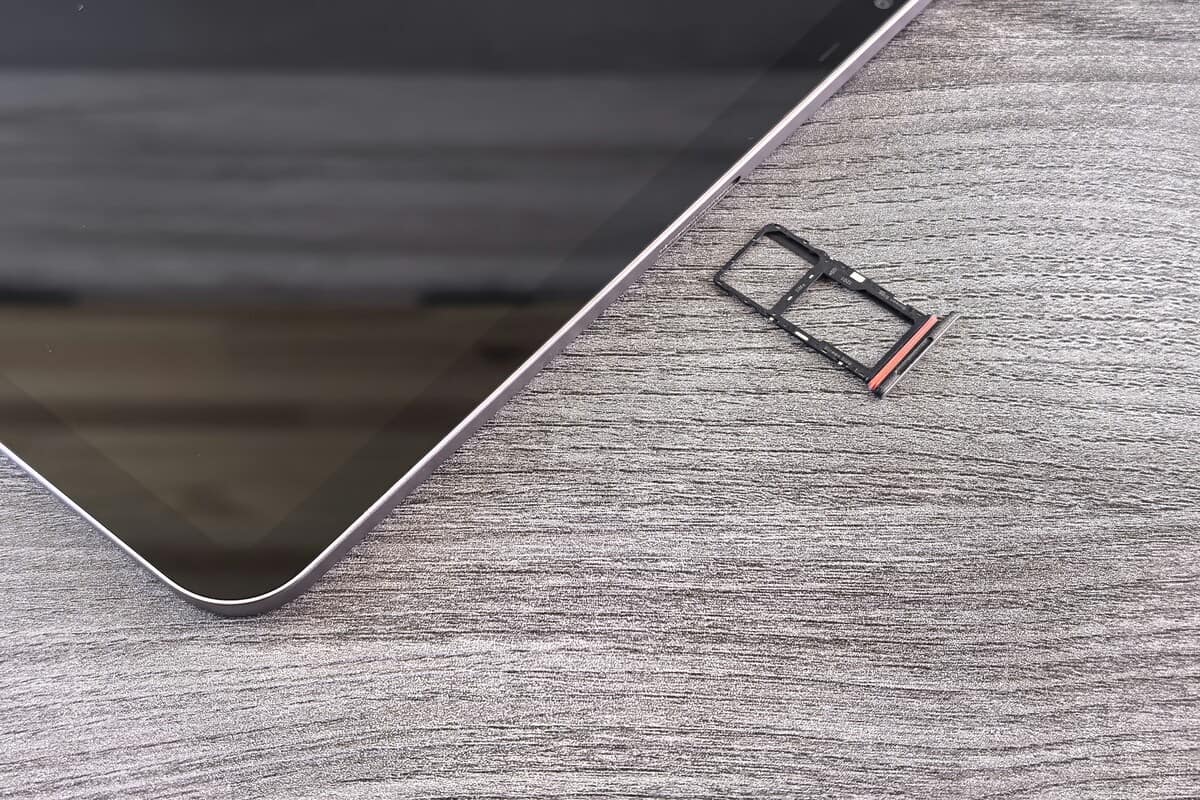
Most phones have a small tray where the SIM is placed. It must be aligned correctly to ensure the device can detect it.
Activating with your carrier
After inserting it, your carrier may require you to complete activation steps. This connects your SIM identity to your mobile account and enables full service.
Troubleshooting common issues
If your SIM is not working, possible reasons include:
- Incorrect insertion
- Carrier lock restrictions
- Inactive or expired SIM
- Device compatibility issues
Restarting the phone or contacting your carrier usually resolves these problems.
5. FAQs
Can a phone work without a SIM card?
Yes, but only for Wi-Fi-based features like browsing and apps. Without a SIM, mobile calls and SMS will not work.
What data is stored on a SIM card?
A SIM stores subscriber identity information, network authentication keys, and sometimes limited contact data depending on the SIM type.
Is eSIM better than a physical SIM?
eSIMs are typically more flexible and make it easier to switch between carriers, but physical SIMs are still widely supported and easier to transfer between devices.
Final Thoughts: SIM Meaning Made Simple
What does SIM stand for? Understanding the basics helps you see your phone as more than just a device; it’s a connected identity tool that links you to mobile networks worldwide. From storing authentication data to enabling secure communication, SIM technology remains essential.