
On This Page
What is IMEI, and why is it so important for your phone? Every mobile device has a unique IMEI number that helps identify it on cellular networks, protect it from theft, and support carrier services.
Whether you are buying a new phone, switching carriers, or troubleshooting network issues, understanding how an IMEI works can save you time and prevent costly mistakes. This 2026 guide explains what an IMEI is, why your phone needs it, and how to find yours.
1. What is IMEI Number?
An IMEI number is a unique code assigned to every mobile device that connects to a cellular network. Think of it as your phone’s identification number.
Mobile carriers, manufacturers, and regulatory organizations use this number to recognize a specific device, manage network access, and help prevent fraud or theft.
Unlike a phone number, which can change when you switch carriers or SIM cards, an IMEI stays linked to the physical device throughout its lifespan.
If you know what IMEI is, you will find fewer difficulties when it comes to activating service, verifying a phone’s authenticity, and protecting your device if it is ever lost or stolen.
What Does IMEI Stand For?
IMEI stands for International Mobile Equipment Identity. It is a globally recognized identification system used to distinguish one mobile device from another.
Every IMEI is assigned according to international standards and helps mobile networks identify a device when it connects to their services.
This unique identifier is commonly used by wireless carriers, phone manufacturers, and law enforcement agencies when tracking or verifying a device.
Why Every Phone Has an IMEI
Every cellular-enabled phone has an IMEI because mobile networks need a reliable way to identify individual devices.
The IMEI acts as a unique identifier for cellular devices, allowing carriers to determine which phone is accessing their network. This helps support essential functions such as device activation, network security, warranty verification, and fraud prevention.
You can think of an IMEI as your phone’s digital fingerprint. Even if two devices are the same model, each one has its own unique IMEI number.
How Many Digits Are in an IMEI?
A standard IMEI number contains 15 digits. These digits uniquely identify a specific mobile device on a cellular network.
Most phones have one IMEI number. However, dual-SIM devices typically have two IMEIs, with one assigned to each SIM slot so both connections can be recognized separately by mobile carriers.
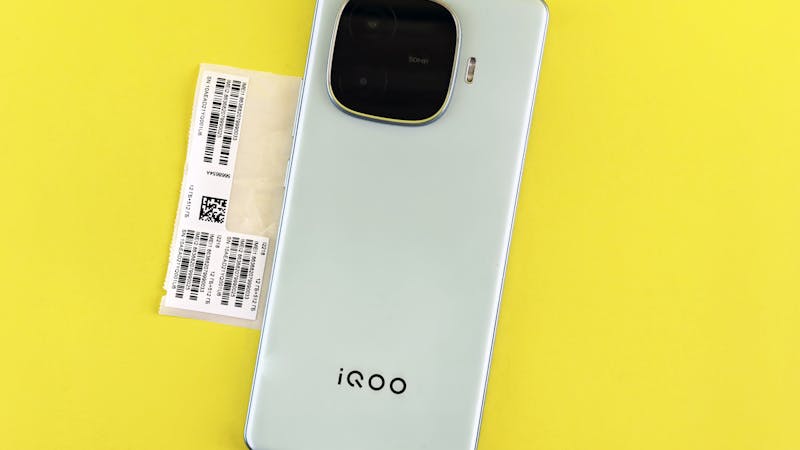
What is IMEI numer? (Image by Pexels)
2. What is an IMEI No Used For?
An IMEI number serves several important purposes beyond simply identifying your phone. Mobile carriers, manufacturers, and consumers use IMEI numbers to manage devices, improve security, and verify phone information.
- Identifying Your Device on Mobile Networks
One of the primary functions of an IMEI is to identify your device when it connects to a cellular network. Carriers use this unique number to recognize a specific phone, activate service, and ensure the device is authorized to access their network.
- Blocking Lost or Stolen Phones
If a phone is lost or stolen, the IMEI can help prevent unauthorized use. Mobile carriers can place the device’s IMEI on a blacklist, which blocks it from connecting to participating cellular networks.
This security measure helps reduce phone theft and makes stolen devices less valuable.
- Checking Phone Compatibility
Before switching carriers or activating a new service plan, you can use an IMEI number to check whether a phone is compatible with a specific network.
Many wireless providers offer what is IMEI checker tools that confirm whether a device supports their technology and can be activated successfully.
- Verifying Used Phones Before Buying
Checking the IMEI is a smart step when purchasing a used phone. An IMEI lookup can reveal whether the device has been reported lost or stolen, blacklisted by a carrier, or still tied to an unpaid financing agreement.
This helps buyers avoid potential activation issues and make a safer purchasing decision.
3. How to Find Your IMEI Number
If you’re wondering what is IMEI and where to find it, locating your IMEI number is quick and easy. Whether you use an iPhone or Android device, there are several ways to access this important identifier.
- *Dial #06#
The fastest and most universal method to find IMEI number is to dial *#06# on your phone’s keypad. In most cases, your IMEI number will appear instantly on the screen without needing to press the call button.
This method works on most smartphones, regardless of brand or carrier.
- Find IMEI on iPhone
If you use an iPhone, you can find your IMEI through the Settings app:
Settings > General > About
Scroll down until you see the IMEI field. You can tap and hold the number to copy it if needed.
- Find IMEI on Android
Android users can locate their IMEI by opening:
Settings > About Phone
Depending on the manufacturer, the IMEI may appear directly on the About Phone page or under a submenu such as Status or Device Information.
- Check the SIM Tray or Phone Box
Many smartphones have the IMEI printed on the SIM card tray. You may also find it on the original packaging or phone box that came with the device.
If your phone won’t turn on or you can’t access the settings menu, checking the SIM tray or packaging can be a useful alternative way to find your IMEI number.
4. What Information Can an IMEI Reveal?
A phone IMEI number can provide useful details about a mobile device, but it does not contain personal information such as your name, phone number, contacts, or location.
When checked through a carrier or what is IMEI lookup service, an IMEI may reveal information such as:
- Device manufacturer (Apple, Samsung, Google, etc.)
- Phone model and variant
- Network compatibility
- Carrier lock status
- Warranty or activation information (when available)
- Blacklist status, indicating whether the phone has been reported lost or stolen
This information can be especially helpful when buying a used phone, verifying a device’s authenticity, or checking whether a phone will work with a specific carrier.
It’s important to understand that an IMEI identifies the device itself, not the owner. While carriers use IMEI numbers to manage phones on their networks, the IMEI alone cannot be used to access personal data stored on the device.
What would someone do with your IMEI number? (Image by Pexels)
5. IMEI vs MEID vs IMSI: What’s the Difference?
When researching what is IMEI, it’s common to encounter related identifiers such as MEID and IMSI. Although these numbers are all associated with mobile networks, each one identifies something different.
- IMEI
An IMEI identifies the phone itself. Every cellular device has a unique IMEI that carriers use to recognize the device, activate service, and block lost or stolen phones.
- MEID
A MEID serves a similar purpose to an IMEI but was primarily used on older CDMA networks. While still found on some devices, MEIDs have become less common as most carriers have transitioned to LTE and 5G technologies that rely on IMEI-based identification.
- IMSI
Unlike IMEI and MEID, an IMSI identifies the subscriber, not the phone. It is stored on the SIM card and links your mobile service account to the carrier’s network. If you move your SIM card to another compatible phone, the IMSI moves with it.
| Identifier | Full Name | Identifies | Stored On | Common Use |
|---|---|---|---|---|
| IMEI | International Mobile Equipment Identity | The physical device | Phone hardware | Device identification, carrier activation, blacklist checks |
| MEID | Mobile Equipment Identifier | The physical device | Phone hardware | Similar to IMEI, primarily used on older CDMA networks |
| IMSI | International Mobile Subscriber Identity | The mobile subscriber | SIM card | Identifies the user’s mobile account on a network |
6. Final Words
Now that you know what is IMEI, it’s easier to understand why this number is so important. An IMEI helps identify your phone, verify its status, and ensure it can connect to supported mobile networks.
It’s also a valuable tool when purchasing a used device or reporting a lost phone. Taking a few minutes to locate and save your IMEI can make troubleshooting, activation, and device recovery much simpler in the future.
7. FAQs
Is IMEI on SIM or device?
The IMEI is assigned to the device, not the SIM card. It is stored in the phone’s hardware and remains the same even if you change SIM cards.
What information can someone get from an IMEI number?
An IMEI can reveal basic device details such as the phone model, manufacturer, carrier lock status, and blacklist status. It does not provide access to personal data, contacts, messages, or your location.
What can be tracked with IMEI?
Mobile carriers can use an IMEI to identify a device on their network. In some cases, law enforcement may use IMEI information to help locate a lost or stolen phone. Regular users cannot track a phone’s real-time location using only its IMEI.
Is it safe to give an IMEI number to someone?
In most cases, sharing your IMEI for legitimate purposes, such as carrier activation, warranty support, or phone compatibility checks, is safe. However, avoid posting your IMEI publicly to reduce the risk of misuse or fraudulent reports.
Can I find my IMEI number without my phone?
Yes. You may find your IMEI on the original phone box, purchase receipt, carrier account, or manufacturer account associated with the device. If the phone is linked to your Apple ID or Google account, device information may also be available there.