

On This Page
Many people searching for food assistance programs often ask what is SNAP EBT and how the system helps eligible households manage grocery expenses each month. SNAP benefits are provided through an electronic benefits card that can be used at approved stores and online retailers for qualifying food purchases. This beginner-friendly guide explains how the program works, who may qualify, eligible purchases, and useful ways to maximize available benefits and everyday savings.
1. What Is SNAP EBT?
SNAP EBT is an electronic system used to deliver Supplemental Nutrition Assistance Program benefits to eligible individuals and families across the United States. Instead of paper food stamps, recipients receive an Electronic Benefits Transfer (EBT) card that works similarly to a debit card at approved retailers and online grocery stores.
SNAP EBT benefits can be used to purchase qualifying food items such as fruits, vegetables, dairy products, meat, snacks, and beverages. The program is designed to improve food access while helping households manage essential grocery expenses more conveniently.
2. Is SNAP and EBT the Same Thing?
Many people use the terms SNAP and EBT interchangeably, but they are not exactly the same thing. If you are wondering, “What’s the difference between SNAP and EBT?”, SNAP (Supplemental Nutrition Assistance Program) is the federal food assistance program that provides benefits to eligible low-income individuals and families.
EBT (Electronic Benefit Transfer), on the other hand, is the system used to deliver and access those benefits. SNAP funds are loaded onto an EBT card, which works like a debit card and can be used at approved retailers to purchase eligible food items.
3. What Is SNAP EBT Eligibility?
For households researching what is SNAP EBT eligible, the term can refer to two important things: the types of food items that can be purchased with SNAP benefits and the requirements applicants must meet to qualify for the program itself.
SNAP eligibility rules are designed to help low-income individuals and families access essential nutrition support while ensuring benefits are used for approved grocery purchases.
What You Can Buy (Eligible Food Items)?
SNAP EBT benefits can be used for many everyday grocery essentials that support balanced meals and household nutrition. Approved purchases typically include fresh ingredients, pantry staples, beverages, and even certain gardening products for growing food at home.
- Produce: Fresh, frozen, or canned fruits and vegetables
- Meats & Proteins: Meat, poultry, seafood, and eggs
- Dairy: Milk, cheese, and yogurt
- Grains & Staples: Bread, cereals, pasta, and rice
- Other: Snack foods, non-alcoholic beverages, and ground coffee
- Gardening: Seeds and plants that produce food for your household to eat
Who Qualifies (Program Eligibility)?
SNAP eligibility is based on several financial and household factors that help determine whether applicants qualify for food assistance benefits. Although requirements can vary slightly by state, most programs evaluate income, available resources, and employment status during the application process.
- **Income Limits: **Gross monthly income before taxes generally must be at or below 130% of the Federal Poverty Guideline, although some states may allow higher limits.
- **Asset Limits: **Accessible financial resources, including money in bank accounts, usually must remain below certain thresholds, commonly around $3,000 to $5,000, depending on household circumstances and state rules.
- **Work Requirements: **Able-bodied adults without dependents between ages 18 and 64 are often required to work, participate in approved job training, or meet employment-related requirements to continue receiving benefits.
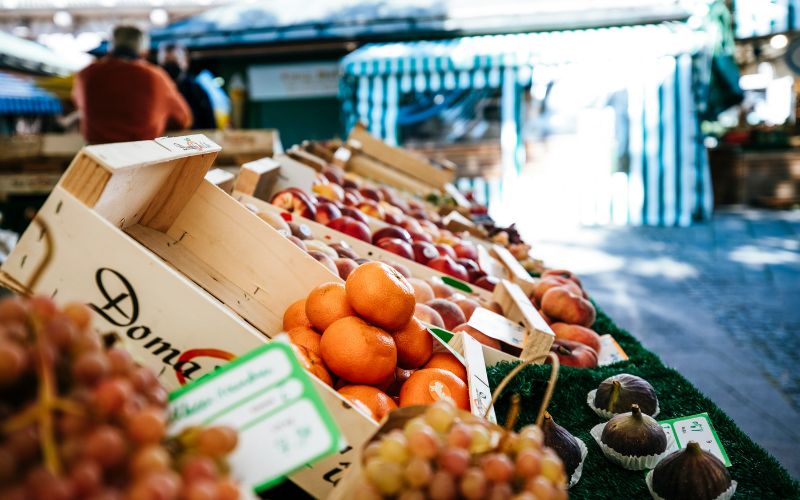
SNAP eligibility is based on several financial and household factors that help determine whether applicants qualify for food assistance benefits (Image by Unsplash)
4. Common SNAP EBT Misunderstandings
Many people new to food assistance programs often struggle to understand how SNAP and EBT actually work together. These misunderstandings can lead to incorrect assumptions about eligibility, usage rules, and where benefits can be spent, even though the system is designed to be straightforward once properly explained.
Thinking SNAP and EBT are separate benefits
One of the most common mistakes is assuming SNAP and EBT are two completely different programs. In reality, SNAP is the federal assistance program that provides food benefits, while EBT is simply the electronic payment system used to access those benefits.
When people learn about how to get SNAP EBT, they often discover that applying for SNAP automatically includes receiving an EBT card, which is then used to purchase approved food items. There is no separate application process for EBT itself, which helps simplify access for eligible households.
Not knowing which foods qualify
Another frequent source of confusion is not fully understanding which items can be purchased with SNAP benefits. Eligible foods generally include fruits, vegetables, meat, poultry, fish, dairy products, bread, and cereals. However, items such as alcohol, tobacco, vitamins, hot prepared meals, and household supplies are not covered.
This misunderstanding can cause issues at checkout, especially when users try to purchase ineligible items. Learning the approved categories helps ensure smoother transactions and avoids unnecessary payment rejections when using the EBT card.
Assuming EBT only works in stores
Many recipients still believe that EBT can only be used at physical grocery stores, but this is no longer accurate in many states. A growing number of approved retailers now accept EBT payments for online grocery orders, including pickup and delivery services.
This expanded access is especially helpful for individuals who have limited transportation or mobility challenges. It allows users to shop more conveniently while still following SNAP guidelines, making food access easier and more flexible than before.
Confusion about online grocery purchases
Online grocery shopping with EBT can be confusing for first-time users because not all websites are eligible to accept SNAP payments. Only authorized retailers participate in the program, and users must carefully select approved food items during checkout.
Non-eligible products cannot be paid for with EBT, even if they are available on the same platform. Once users understand the approved system and retailer list, online shopping becomes a practical and efficient option for managing household groceries without frequent store visits.
»> Also read: How to Use EBT Card? Beginner-Friendly SNAP Guide 2026
5. SNAP Participation May Also Open the Door to Free Phone Services
SNAP benefits are primarily designed to support household nutrition, but they can also serve as a qualifying pathway to additional federal assistance programs. One of the most valuable extensions is access to the Lifeline Program, which helps low-income individuals stay connected through affordable communication services.
- Confirm eligibility through SNAP participation or another qualifying Lifeline assistance program before starting the application
- Prepare proof of SNAP benefits or other supporting eligibility documents that may be requested during enrollment
- Review available wireless plans and browse eligible free smartphone offers based on current inventory and state availability
- Complete the online application form with personal details such as your name, address, date of birth, and contact information
- Upload supporting documents if additional eligibility review or manual verification is required during the approval process
- Double-check all submitted information carefully before sending the application for review and processing
- Receive shipping updates after approval, with many devices arriving within approximately 7-10 business days, depending on inventory and delivery timelines
Once activated, users can immediately access essential communication tools, helping them stay connected for work, family, and everyday needs without additional cost barriers.
6. Frequently Asked Questions About SNAP EBT
Users often run into questions when using SNAP benefits in real shopping situations, especially with online orders and payment processing. Clear information about program usage helps users avoid confusion and handle transactions more smoothly.
Which food delivery services accept EBT SNAP?
Several grocery delivery platforms support SNAP EBT, depending on the retailer and your location. Services such as Amazon and Walmart, along with selected Instacart partner stores, allow eligible food purchases using EBT. However, delivery charges and non-eligible items must still be paid with another method.
Why was my SNAP EBT card declined?
An EBT card may be declined due to a low balance, an incorrect PIN, or attempting to buy non-eligible items. Sometimes the issue comes from a temporary system glitch at the store’s payment terminal. Checking your balance and retrying the transaction usually helps resolve it quickly.
Can SNAP EBT be used for grocery pickup orders?
Yes, many participating retailers accept SNAP EBT for grocery pickup orders. Eligible food items can be paid for using EBT, while service or pickup fees are typically not covered. It’s always recommended to confirm store participation before placing an order to avoid issues at checkout.
Final Words
SNAP EBT plays an important role in helping eligible households access essential groceries in a more convenient and flexible way, including both in-store and online shopping. Understanding how the system works makes it easier to manage benefits and avoid common payment issues.