

On This Page
Parents and caregivers often search for “WIC office near me” when food costs rise, or a new baby is on the way.
WIC (the Special Supplemental Nutrition Program for Women, Infants, and Children) helps millions of families with healthy foods, nutrition guidance, breastfeeding help, and referrals to health care and social services.
This guide walks you through what a WIC office does, how to find one near you, and what to bring to your appointment.
1. How WIC Office Help Families

How does the WIC help families? (Image by Pexels)
A WIC office is usually a local center or community site that runs the WIC program in your area. Staff there meet with pregnant women, new parents, and caregivers of young children to check nutrition needs and connect them with help.
Through WIC, eligible families can receive monthly assistance for specific foods, including milk, eggs, whole grains, fruits, vegetables, infant formula, and baby foods, along with nutrition counseling and breastfeeding support.
Many offices also screen for health concerns and give referrals to doctors, dentists, and other services if something looks worrying.
WIC is aimed at low-income pregnant, postpartum, and breastfeeding women, plus infants and children up to age five who are at nutrition risk.
Families need to meet income guidelines, live in the state where they apply, and have a health professional determine that they have a nutrition concern, such as poor growth, low iron, or a diet lacking key foods.
The exact way each office works can differ a bit by state, but most visits follow a similar pattern: staff confirm your identity and income, ask about your pregnancy or your child’s health, measure height and weight, and then set up a food package and follow-up schedule that fits your situation.
2. How to Find a WIC Office Near Me Quickly
When you are stressed about food or a new baby, you usually do not have time to chase unclear directions. Here are three simple routes that work in most places.
Using Official WIC Websites and State Directories
The safest sources are your state’s WIC site or the USDA’s national WIC pages. The national WIC page links to state and local agencies and explains how to apply.
On many state sites, you can enter your ZIP code or county and see a list of clinics, addresses, and phone numbers. That list often includes health departments, community clinics, and sometimes mobile WIC vans that travel between towns.
Because rules and locations can change, checking an official site is better than relying on old blog posts or social media screenshots.
Calling Local Health Departments and Clinics
If online forms are confusing, you can phone your local health department or community health center to find out where the nearest WIC clinic is. Many health departments run WIC on-site; if they do not, staff can usually direct you to the right office.
Hospitals that serve many births, community clinics, and tribal health centers often know which nearby WIC sites are active, along with clinic hours and any walk-in or appointment rules.
Checking Maps and Search Tools on Your Phone
Typing “WIC office near me” or “WIC clinic near me” into a map app can help you find addresses quickly.
Still, it is wise to open the listing, look for links to state or county pages, and confirm that the site is up to date. Before you travel, call ahead or check posted hours; some clinics see WIC families only on certain days of the week.
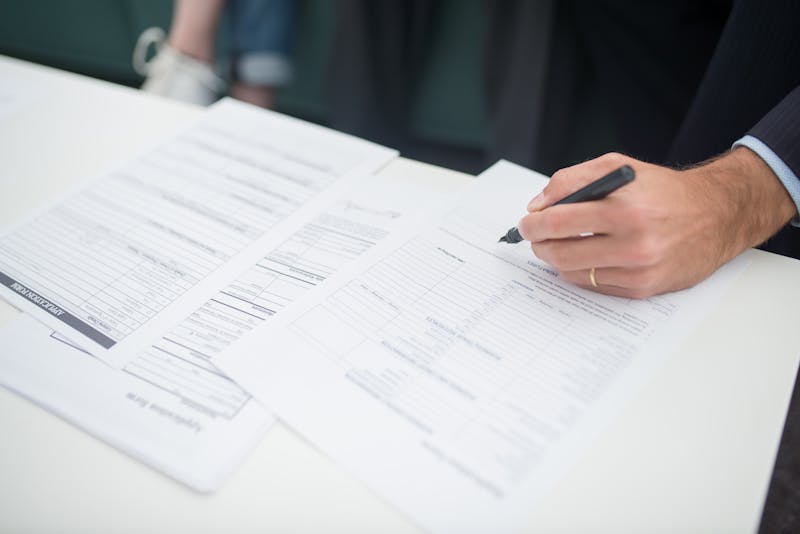
How to find WIC office near me (Image by Pexels)
3. What to Bring to a WIC Office Visit
Being prepared can make your first appointment smoother and reduce the need for repeat visits.
Basic Documents You May Need
Most WIC offices ask for three kinds of proof: who you are, where you live, and what your income looks like.
That usually means an ID with your name, a document showing your current address, and either pay stubs, a tax return, or proof that you already participate in another public program, such as SNAP or Medicaid.
If you are unsure what is accepted in your state, you can call the clinic in advance and ask them to list the most common options.
Information About Pregnancy, Children, and Household
During the visit, staff will ask about your pregnancy or your child’s health, including birth date, growth history if you have it, and any feeding concerns. Bringing your baby’s vaccine record or growth chart from the doctor can help them see the full picture, though it is not always required.
They will also ask how many people live in your household and how everyone is related. This helps them verify income eligibility and select the appropriate food package for each eligible person.
4. WIC and the Lifeline Program: How They Can Work Together
Many WIC families also struggle with phone and internet bills. That is where the Lifeline program comes in.
Lifeline is a federal program run by the Federal Communications Commission that lowers phone or internet costs for eligible low-income households by up to $9.25 per month nationally, with higher support on certain Tribal lands.
Can WIC Help Me Qualify for the Lifeline Program?
Lifeline has two main paths: income-based and program-based.
A household can qualify if its gross income is at or below 135% of the Federal Poverty Guidelines, or if someone in the household participates in a qualifying program such as SNAP, Medicaid, Supplemental Security Income (SSI), Federal Public Housing Assistance, or specific Tribal programs.
WIC itself is not on the national list of Lifeline qualifying programs. Still, some state like California point out that if you already qualify for WIC, you are eligible for Lifeline.
The safest step is to check the current Lifeline eligibility list for your state and see which benefit programs are accepted.
Besides, some families who receive WIC also participate in programs like SNAP or Medicaid that do count for Lifeline.
That means a WIC household can often upgrade from only food help to food plus a working phone line, which makes it easier to stay in touch with loved ones, schools, and employers.
5. FAQs
What does a WIC office do?
A WIC office enrolls eligible women, infants, and children, checks nutrition risk, sets up monthly food benefits, offers nutrition and breastfeeding counseling, and refers families to health care and social services.
How do I find a WIC office near me?
You can search your state WIC website, call your local health department or community clinic, or use a map app and look for “WIC clinic” or “WIC office” in your area, then confirm details on an official site.
Does WIC help me qualify for the Lifeline Program?
Some state like California point out that if you already qualify for WIC, you are eligible for Lifeline.
Can I get a free phone if I receive WIC?
The phone offer depends on your state and current stock, so you should always check the provider’s site for current details.
Final Words
Searching for “WIC office near me” is often the first step in securing better food and health support for your family.
By finding your local WIC office and keeping your documents in order, you can build a more stable base for your household.