Senator Bedford Brown
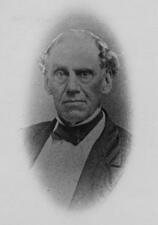
Here you will find contact information for Senator Bedford Brown, including email address, phone number, and mailing address.
| Name | Bedford Brown |
| Position | Senator |
| State | North Carolina |
| Party | Democratic |
| Status | Former Representative |
| Term Start | December 7, 1829 |
| Term End | March 3, 1841 |
| Terms Served | 2 |
| Born | June 6, 1795 |
| Gender | Male |
| Bioguide ID | B000903 |
About Senator Bedford Brown
Bedford Brown (June 6, 1795 – December 6, 1870) was a Democratic United States Senator from the State of North Carolina who served in the United States Congress from 1829 to 1841. He was born in Caswell County, North Carolina, into a prominent planter family in the Piedmont region, an area that would shape his political base and outlook. Growing up in the early national period, he was exposed to the political debates of the new republic and the evolving party system that would later see him align with the Democratic Party.
Brown received his early education in local schools in North Carolina before pursuing higher studies. Like many Southern political figures of his generation, he was educated in the classical tradition, which emphasized rhetoric, history, and law, preparing him for a career in public life. His education equipped him with the skills necessary to participate in legislative debate and to navigate the increasingly complex political environment of the early nineteenth century.
Before entering the United States Senate, Brown embarked on a career in state politics and public service in North Carolina. As a young man, he became involved in local and state affairs, building a reputation as a capable and reliable Democratic leader. His work at the state level helped establish his standing among North Carolina’s political elite and positioned him for election to national office. By the late 1820s, he had become sufficiently prominent within the Democratic Party to be selected to represent his state in the federal legislature.
Brown’s congressional service began when he entered the United States Senate in 1829 as a Democratic Senator from North Carolina. He served in the Senate from 1829 to 1841, a period that encompassed two full terms in office and coincided with the presidencies of Andrew Jackson and Martin Van Buren. During these years, the nation confronted major issues such as the Bank of the United States, tariff policy, states’ rights, and the growing sectional tensions between North and South. As a member of the Senate, Bedford Brown contributed to the legislative process, participated in debates on these and other questions, and represented the interests of his North Carolina constituents within the broader framework of Democratic Party principles.
Brown’s tenure in the Senate occurred during a significant period in American history marked by the rise of Jacksonian democracy and the consolidation of the two-party system. As a Democratic senator, he took part in the democratic process at the national level, working within his party’s caucus and the Senate’s committee structure to shape legislation and national policy. His service extended through critical political realignments and economic upheavals, including the aftermath of the Panic of 1837, and he remained identified with the Democratic Party throughout his time in office.
After leaving the Senate in 1841, Brown returned to North Carolina and resumed his life as a prominent citizen of Caswell County. In later years, he continued to be associated with public affairs in his state, drawing on his long experience in national politics. He lived through the tumultuous decades leading up to the Civil War and its aftermath, witnessing the transformation of the political and social order in which he had built his career. Bedford Brown died on December 6, 1870, in North Carolina, closing a life that had spanned from the early years of the republic through the great national crises of the mid-nineteenth century.