Senator Benjamin Hawkins
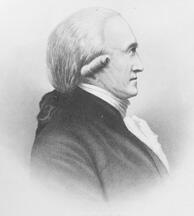
Here you will find contact information for Senator Benjamin Hawkins, including email address, phone number, and mailing address.
| Name | Benjamin Hawkins |
| Position | Senator |
| State | North Carolina |
| Party | Pro-Administration |
| Status | Former Representative |
| Term Start | March 4, 1789 |
| Term End | March 3, 1795 |
| Terms Served | 1 |
| Born | August 15, 1754 |
| Gender | Male |
| Bioguide ID | H000368 |
About Senator Benjamin Hawkins
Benjamin Hawkins served as a Senator from North Carolina in the United States Congress from 1789 to 1795. A member of the Pro-Administration Party, Benjamin Hawkins contributed to the legislative process during 1 term in office.
Benjamin Hawkins’s service in Congress occurred during a significant period in American history. As a member of the Senate, Benjamin Hawkins participated in the democratic process and represented the interests of constituents.
Benjamin Hawkins (August 15, 1754 – June 6, 1816) was an American planter, statesman and a U.S. Indian agent. He was a delegate to the Continental Congress and a United States Senator from North Carolina, having grown up among the planter elite. Appointed by George Washington in 1796 as one of three commissioners to the Creeks, in 1801 President Jefferson named him “principal agent for Indian affairs south of the Ohio [River]”, and was principal Indian agent to the Creek Indians. Hawkins established the Creek Agency and his plantation near present-day Roberta, Georgia, in what became Crawford County. He learned the Muscogee language, and had a Creek woman, Lavinia Downs, as common-law wife, who, in the Creek’s matrilineal society, provided an entry into that world. He had seven children with her, although he resisted Creek pressure to marry her until near the end of his life. He wrote extensively about the Creek and other Southeast tribes: the Choctaw, Cherokee and Chickasaw. He eventually built a large complex using African slave labor, including mills, and raised a considerable quantity of cattle and hogs.