Representative Benjamin Pringle
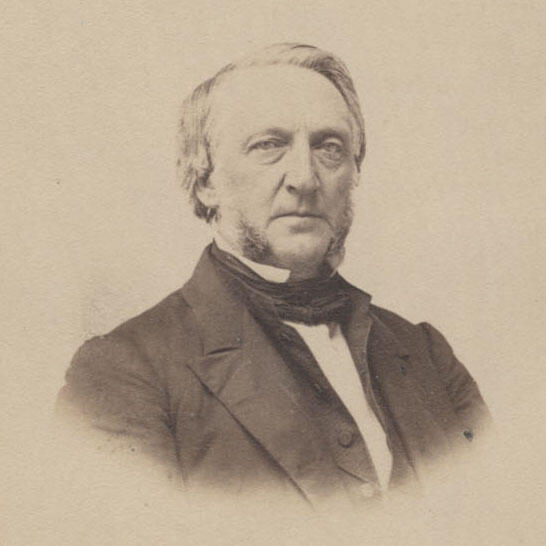
Here you will find contact information for Representative Benjamin Pringle, including email address, phone number, and mailing address.
| Name | Benjamin Pringle |
| Position | Representative |
| State | New York |
| District | 30 |
| Party | Independent |
| Status | Former Representative |
| Term Start | December 5, 1853 |
| Term End | March 3, 1857 |
| Terms Served | 2 |
| Born | November 9, 1807 |
| Gender | Male |
| Bioguide ID | P000543 |
About Representative Benjamin Pringle
Benjamin Pringle served as a Representative from New York in the United States Congress from 1853 to 1857. A member of the Independent Party, Benjamin Pringle contributed to the legislative process during 2 terms in office.
Benjamin Pringle’s service in Congress occurred during a significant period in American history. As a member of the House of Representatives, Benjamin Pringle participated in the democratic process and represented the interests of constituents.
Benjamin Pringle (November 9, 1807 – June 7, 1887) was a United States representative from New York. Born in Richfield Springs, Otsego County, he completed preparatory studies, studied law, was admitted to the bar in 1830 and practiced for a number of years. He was president of a bank in Batavia, Genesee County and was judge of the Genesee County Court from 1841 to 1846. Pringle was elected as a Whig to the Thirty-third Congress and reelected as an Opposition Party candidate to the Thirty-fourth Congress, holding office from March 4, 1853, to March 3, 1857. During the Thirty-fourth Congress, he was chairman of the Committee on Indian Affairs. He was an unsuccessful candidate for reelection in 1856 to the Thirty-fifth Congress and was a member of the New York State Assembly (Genesee Co.) in 1862. Pringle was appointed by President Abraham Lincoln in 1863 judge of the court of arbitration in Cape Town (in what is now South Africa) under the treaty with Great Britain of April 7, 1862 for the suppression of the African slave trade. He was appointed a member of the board of trustees of the State Institution for the Blind in 1873, and in 1887 died in Hastings, Dakota County, Minnesota. Interment was in the Old Cemetery, Batavia.