Senator Bert Manfred Fernald
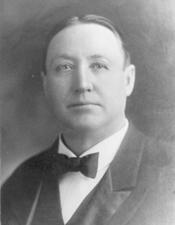
Here you will find contact information for Senator Bert Manfred Fernald, including email address, phone number, and mailing address.
| Name | Bert Manfred Fernald |
| Position | Senator |
| State | Maine |
| Party | Republican |
| Status | Former Representative |
| Term Start | September 12, 1916 |
| Term End | March 4, 1927 |
| Terms Served | 3 |
| Born | April 3, 1858 |
| Gender | Male |
| Bioguide ID | F000084 |
About Senator Bert Manfred Fernald
Bert Manfred Fernald (April 3, 1858 – August 23, 1926) was an American farmer, businessman, and Republican politician who became the 47th governor of Maine and a United States senator. Born in West Poland, Androscoggin County, Maine, he was raised in a rural setting and worked on the family farm from an early age. His upbringing in an agricultural community shaped his later interests in farming, business, and public policy, and grounded his political outlook in the concerns of rural constituents and small-town enterprise.
Fernald was educated in the common schools of his native town and attended Hebron Academy in Hebron, Maine. Although he did not pursue a formal college degree, he supplemented his schooling with practical experience in agriculture and business. As a young man, he engaged in farming and later entered the canning industry, becoming a successful businessman in the production and marketing of canned goods. His business activities, particularly in food processing, gave him prominence in Maine’s commercial life and provided a platform for his entry into public affairs.
Fernald’s political career began at the state level, where he aligned with the Republican Party, which dominated Maine politics in the late nineteenth and early twentieth centuries. He served in the Maine House of Representatives and later in the Maine Senate, gaining experience in legislative procedure and state governance. His reputation as a capable legislator and businessman helped propel him to higher office, and he became a recognized figure in state Republican circles. Through these roles he developed a legislative record focused on economic development and the interests of Maine’s agricultural and business communities.
In 1909, Fernald became the 47th governor of Maine, serving until 1911. As governor, he oversaw state administration during a period of economic and social change, addressing issues related to infrastructure, industry, and public welfare within the constraints of early twentieth-century state government. His tenure reflected the priorities of a Republican executive in a predominantly Republican state, emphasizing fiscal prudence, support for business, and attention to the needs of rural areas. The experience he gained as governor further solidified his standing as a leading Republican in Maine and prepared him for national office.
Fernald entered the United States Senate in 1916 as a Republican senator from Maine, serving until his death in 1926. His service in Congress occurred during a significant period in American history, encompassing World War I, the immediate postwar years, and the early 1920s. As a member of the Senate, Bert Manfred Fernald participated in the democratic process and represented the interests of his constituents, bringing to national debates the perspective of a New England businessman and farmer. He contributed to the legislative process during three terms in office, engaging with issues of national finance, agriculture, and public works that were central to the era.
During his Senate career, Fernald was chairman of the United States Senate Committee on Public Buildings and Grounds for three terms. In this capacity, he played a role in overseeing federal construction projects and the maintenance and development of public buildings and grounds, including courthouses, post offices, and other federal facilities. His chairmanship placed him at the center of decisions about federal infrastructure and capital improvements at a time when the federal government was expanding its physical presence across the country. Through this work, he helped shape aspects of the built environment that supported the operations of the federal government and its services to the public.
Fernald remained in the Senate until his death, continuing to serve Maine and the nation throughout the 1920s. He died in West Poland, Maine, on August 23, 1926, while still in office. His career spanned local, state, and national service, from his early work as a farmer and businessman to his leadership as governor and United States senator.