Senator Burton Kendall Wheeler
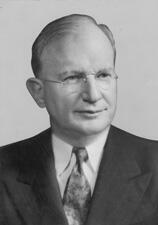
Here you will find contact information for Senator Burton Kendall Wheeler, including email address, phone number, and mailing address.
| Name | Burton Kendall Wheeler |
| Position | Senator |
| State | Montana |
| Party | Democratic |
| Status | Former Representative |
| Term Start | December 3, 1923 |
| Term End | January 3, 1947 |
| Terms Served | 4 |
| Born | February 27, 1882 |
| Gender | Male |
| Bioguide ID | W000330 |
About Senator Burton Kendall Wheeler
Burton Kendall Wheeler served as a Senator from Montana in the United States Congress from 1923 to 1947. A member of the Democratic Party, Burton Kendall Wheeler contributed to the legislative process during 4 terms in office.
Burton Kendall Wheeler’s service in Congress occurred during a significant period in American history. As a member of the Senate, Burton Kendall Wheeler participated in the democratic process and represented the interests of constituents.
Burton Kendall Wheeler (February 27, 1882 – January 6, 1975) was an attorney and an American politician of the Democratic Party in Montana, which he represented as a United States senator from 1923 until 1947. Born in Massachusetts, Wheeler began practicing law in Montana almost by chance, after losing his belongings while en route to Seattle. As the U.S. Attorney for Montana, he became known for his criticism of the Sedition Act of 1918 and defense of civil liberties during World War I. An independent Democrat who initially represented the progressive wing of the party, he received support from Montana’s labor unions in his election to the Senate in 1922. As a freshman senator, Wheeler played a crucial role in exposing the Harding administration’s unwillingness to prosecute people involved in the Teapot Dome scandal. He ran for vice president in 1924 on the Progressive Party ticket headed by Wisconsin Senator Robert La Follette Sr. An ardent New Deal liberal until 1937, Wheeler broke with President Franklin D. Roosevelt on the issue of packing the Supreme Court. In foreign policy, from 1938 to 1941, he became a leader of the non-interventionist wing of the party, fighting against entry into World War II until the attack on Pearl Harbor. Wheeler lost reelection in 1946 and retired to private practice in Washington, D.C.