

On This Page
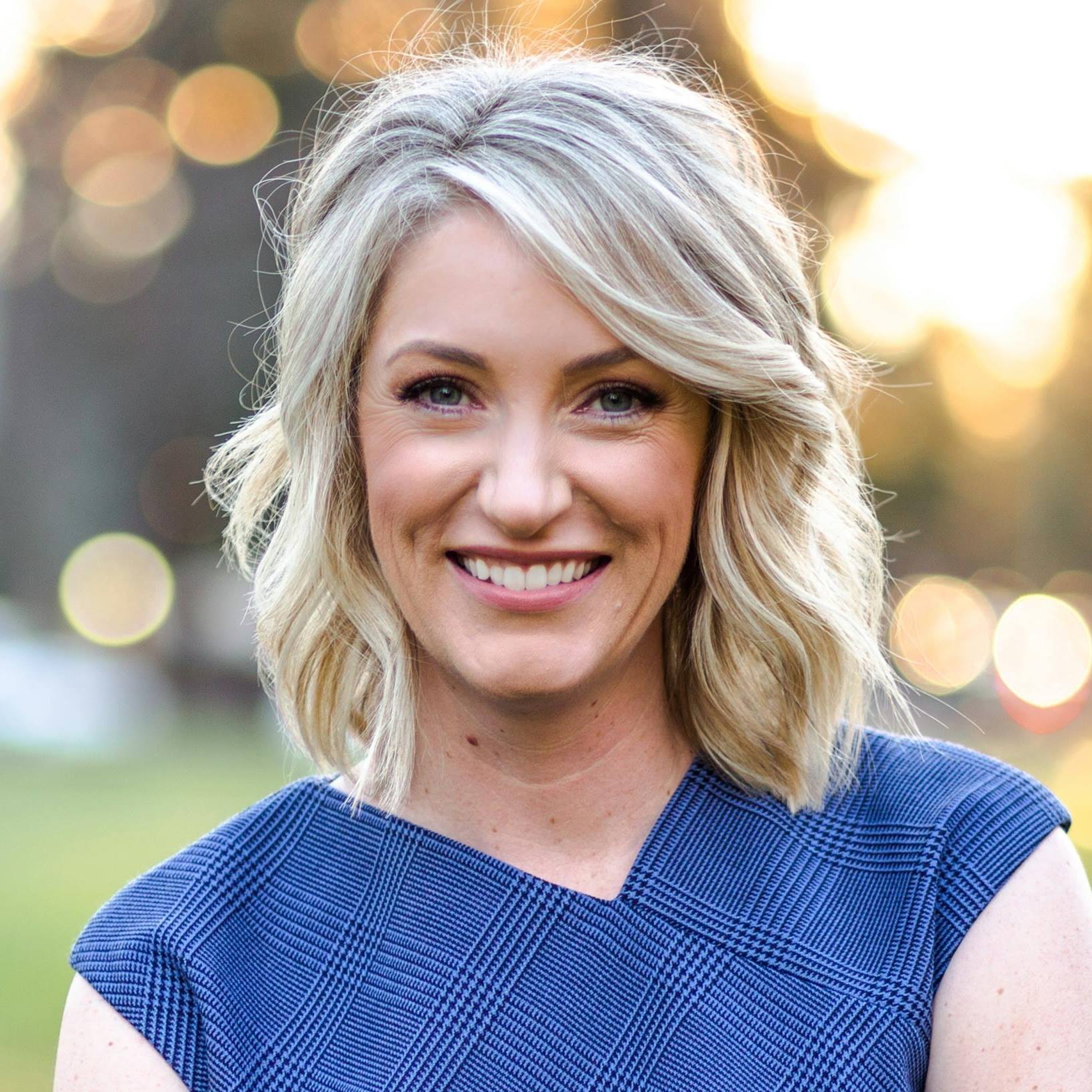
About Audrey Denney
Early Life and Agricultural Roots
I grew up on a family farm on the Central Coast of California, where my parents planted some of the first wine grapes in the Paso Robles area. We raised beef cattle and had a team of Percheron draft horses. I spent my youth active in 4-H and FFA, eventually serving as a California State FFA Officer and earning my American Farmer Degree.
Education and Career in Chico
I moved to Chico in the heart of California’s North Valley in 2003 for college, and it quickly became my hometown. I earned my bachelor’s in Agri-Science and Education from Chico State, and later a master’s in Agricultural Education. I’ve worked on the University Farm, poured beers at Sierra Nevada, and spent five years as a lecturer and outreach coordinator for the College of Agriculture, helping students fall in love with ag and with Chico just like I did.
After college, I spent a year in rural El Salvador learning Spanish, studying tropical agriculture, volunteering with the human rights organization, Cristosal, and launching a youth garden club where young people learned to grow and sell their own food. My experience in Central America changed my life. It deepened my understanding of systemic inequality and sparked a lifelong commitment to justice. I later served on Cristosal’s board for six years, including a term as president, supporting their mission to defend human rights across Central America. That work shaped the human rights-based lens I bring to every decision I make, whether it’s about food systems, public policy, or community well-being.
Back in Chico, I spent six years with a consulting firm designing learning experiences for organizations like the World Bank and the National FFA. In 2021, I launched my own business, The Denney Group, and now partner with nonprofits and food banks across the country to strengthen their systems, teams, and strategies. I’ve worked with a number of organizations doing good across the country, including Feeding America. I love that my work brings together my passions for food, justice, and community.
These days, I live in downtown Chico with my two cats, Nash and Harper Eleanor. I spend my free time puttering in my greenhouse, gardening, and reading. I have proudly served as the Chair of the Democratic Action Club of Chico, and currently sit on the board of a local food pantry and teach in the College of Communications and Education at Chico State.
Chico is my forever home. I am deeply invested in making it, and our country, a better place for everyone.
Running for a Better Future
I first ran for Congress in 2018 and again in 2020 because I believed then, as I do now, that Northern California deserves representation rooted in integrity, compassion, and a deep understanding of the challenges our communities face.
Back then, I wasn’t a political insider. I was a teacher, a consultant, and a neighbor who had spent my career helping people and organizations grow stronger. I stepped up because I saw a better path forward, one that put people over politics and prioritized real solutions over partisan noise.
I stepped up because i saw a better path forward — one that put people over politics and prioritized real solutions over partisan noise. We built two powerful grassroots campaigns fueled by thousands of volunteers and donors across the district. We knocked on doors, made phone calls, and held town halls in every corner of California’s First District. We came closer than anyone ever had to flipping Rep. Doug LaMalfa’s seat. But more than that, we changed the conversation. We made people feel seen, heard, and hopeful again.
Since then, I’ve never stopped doing the work. Whether it’s been helping food banks strengthen their systems, serving on the board of a local food pantry, or standing up for our democracy here in Butte County, I’ve remained rooted in service and committed to creating positive change.
I’m proud of where we’ve been, and even more excited about where we’re going!
Issues
things that matter to californians
From Susanville to Santa Rosa, Loyalton to Lakeport, I will fight every day to make life better for you. Here’s how.
Getting Big Money Out of Politics
We all deserve an equal voice in our government. But today, that voice is being drowned out. Court rulings like Citizens United have allowed corporations, billionaires, and powerful special interests to pour unlimited money into our elections, buying influence, distorting priorities, and weakening our democracy.
That’s why I’ve pledged never to accept corporate PAC contributions. I believe that elected officials should answer to the people, not to corporations, lobbyists, or dark money groups. California’s First Congressional District deserves a representative who fights for North State communities, not for wealthy donors.
Priorities
Reject corporate PAC money and support candidates who do the same, because accountability begins with integrity. Work toward a constitutional amendment to overturn Citizens United and restore the ability of Congress and states to enforce reasonable campaign finance limits. Promote transparency by requiring corporations, PACs, and outside groups to disclose political spending and donations. Explore pilot programs for public campaign financing, including innovative models like Seattle’s Democracy Vouchers. Support federal legislation that offers incentives to candidates who rely on small-dollar donations, including: Broadcast and mailer vouchers Matching funds for grassroots donations Tax credits for small-dollar donors to encourage civic participation
Why it Matters
Representative democracy only works if everyone has a voice, not just those who can afford to buy one.
In the wake of Citizens United, political spending by outside groups has exploded. Super PACs and dark money organizations can now spend unlimited amounts to influence elections, often without voters knowing where the money comes from. This distorts our democracy and makes it harder for everyday Americans to be heard.
In CA-01, we’ve seen how entrenched interests protect the status quo while our communities go unheard. The people of the North State deserve a government that’s responsive to us, not to the highest bidder.
What I Believe
We must fundamentally reform the way campaigns are financed and restore power to the people. That starts with accountability and transparency, but it also means creating a system where grassroots candidates can compete without selling out to wealthy special interests.
A functioning democracy requires that voters trust their representatives to work for them. That trust has been eroded by decades of corporate influence and political polarization. It’s time to rebuild it.
How I’ll Lead
I will support, co-sponsor, and advocate for campaign finance reform at every level. That includes:
Rejecting corporate PAC dollars and calling on others to do the same, Fighting for a constitutional amendment to allow reasonable campaign limits, Expanding public financing options to empower small-dollar donors, And championing legislation that brings transparency, fairness, and integrity back to the electoral process. We’re at a crossroads. We can let special interests continue to divide and distract us, or we can come together and reclaim our democracy. I believe this district is ready to choose the latter. Let’s do it together.
Forest Health & Fire Prevention
In Northern California, our forests have the power to sustain or destroy us. After decades of fire suppression, underinvestment, and climate disruption, our forests are in a state of crisis. Instead of providing clean water, wildlife habitat, timber, and recreation, they now fuel the megafires that threaten our homes, pollute our air, and cost lives.
But it doesn’t have to be this way.
With science-based forest management, local leadership, and meaningful federal investment, we can turn this crisis into an opportunity for safety, sustainability, and rural economic renewal.
Priorities
- Support science-based fire prevention, including:
- Fuel breaks
- Controlled burns
- Strategic thinning
- Promote selective, sustainable logging to reduce overgrowth, improve forest health, and restore natural density.
- Manage for forest diversity to reduce the risk of catastrophic pest outbreaks and widespread die-offs.
- Restore watersheds to improve:
- Groundwater recharge
- Water quality
- Fish and wildlife habitat
- Carbon sequestration and climate resilience
- Invest in forest-based rural economies, supporting:
- Restoration jobs
- Recreation and tourism
- Sustainable timber harvesting
- Expand and simplify Conservation Stewardship Agreements (CSAs) to reward private landowners, tribes, and communities for proactive forest and land management.
- Promote models like the Quincy Library Group, local, science-driven, multi-stakeholder collaborations that balance ecological health, fire safety, and local economic development.
- Reform federal policy to empower local experts, tribes, and collaborative groups to co-manage public lands and forest health initiatives.
Why it Matters
California’s forests are out of balance. Dense, dry, overstocked stands, often decades overdue for thinning or prescribed fire, have become the fuel source for climate-driven megafires.
The Carr Fire, Camp Fire, Tubbs Fire and many others have made it painfully clear: when we fail to manage our forests, we pay the price in homes lost, lives cut short, water quality degraded, wildlife displaced, and local economies upended.
But we also know what works. Collaborative land stewardship, tribal ecological knowledge, and proactive restoration efforts have already shown success in reducing fire severity and restoring natural ecosystem function.
What I Believe
Healthy forests provide more than just trees. They protect our drinking water, store carbon, offer recreation and cultural value, and support rural livelihoods. When well-managed, forests serve as both an environmental and economic engine.
Programs like Conservation Stewardship Agreements through the USDA’s Natural Resources Conservation Service (NRCS) provide financial and technical support to landowners and tribes managing forests for fire resilience, habitat, and carbon storage. These programs should be expanded and simplified to meet the urgent scale of need in the North State.
The Quincy Library Group, a citizen-led collaboration formed in Plumas County, proved that local communities, scientists, timber interests, and environmentalists can come together to manage forests in a way that protects people, wildlife, and jobs. We need to replicate and fund more of these collaborative approaches, with federal support, not federal interference.
How I’ll Lead
In Congress, I will work to:
- Secure robust federal funding for forest health, fire prevention, and watershed restoration.
- Expand the use of Conservation Stewardship Agreements and remove administrative burdens that prevent local participation.
- Champion place-based forest collaboratives, modeled after the Quincy Library Group, that center local expertise and community engagement.
- Streamline interagency coordination so local fire-safe councils, tribes, and landowners can implement solutions without bureaucratic delays.
- Support policies that balance forest restoration, public safety, biodiversity, and economic development.
Proven Leadership in Times of Crisis
I’ve lived through fire. During my 2018 campaign, the Carr Fire devastated Shasta County. Our campaign suspended operations to help deliver supplies and support to fire survivors.
Just two days after election night in 2018, the Camp Fire destroyed Paradise and the surrounding Ridge communities and displaced tens of thousands in my home county of Butte. I helped co-found the Camp Fire Long Term Recovery Group and traveled to Washington, D.C. with survivors to advocate for urgent climate and forest policy reforms. We participated in Senator Bernie Sanders’ town hall on climate change and met with lawmakers to demand action.
These experiences shaped my commitment to forest restoration, climate resilience, and equitable recovery. This isn’t just policy for me. It’s personal.
Healthcare & Rural Health
Every American deserves access to high‑quality, affordable healthcare, and no one should go bankrupt or be denied coverage because of a pre‑existing condition. I’ll fight to lower prescription drug costs, protect and expand Medicare, and keep healthcare dollars in our district by empowering preventive care, primary care access, mental health resources, and addiction recovery services.
Rural Northern California faces unique barriers, from maternity deserts to hospital and clinic closures. These problems have been made worse by recent federal legislation that cuts Medicaid funding and threatens the survival of rural hospitals. It’s time we stood up against these harmful reforms.
Priorities
- Guarantee universal, high-quality healthcare through a Single-Payer/Medicare for All system.
- In the short term, strengthen and expand the Affordable Care Act (ACA) to help families facing high healthcare costs.
- Lower prescription drug prices by allowing Medicare to negotiate directly with pharmaceutical companies for more drugs.
- Protect reproductive rights, including access to safe and legal abortion and comprehensive family planning services.
- Increase federal and state funding for public health to reduce long-term costs and improve population health outcomes.
- Invest in mental health and addiction recovery services to meet growing needs across the district.
- Support critical access hospitals and prevent rural hospital closures through legislation like the Rural Hospital Access Act.
- Expand telehealth and remote care services for rural patients who face long travel times for appointments.
- Incentivize healthcare professionals to work in rural and underserved areas by offering student loan forgiveness and relocation incentives.
Why it Matters
Northern California is in a full-blown healthcare crisis.
Nearly 1 in 5 residents in our district lives with a physical disability. That’s double the state average. In several counties, hospitals have closed their labor and delivery units, forcing pregnant women to travel hours or cross state lines just to give birth. In Glenn County, the complete closure of a hospital has left residents with no emergency or inpatient services, creating dangerous delays for people in crisis. Our region includes many of the California counties with the highest all-cause mortality rates, cancer mortality, and unintentional injuries, according to state public health data. Across the district, people face long waits for emergency care, limited access to specialists, and increasing barriers to seeing a primary care doctor at all. Many rural providers are retiring, and the next generation isn’t being trained or incentivized to stay. Half of the people in our district rely on public health insurance programs like Medi-Cal or Medicare, but access to the care that exists is worsening.
The Affordable Care Act helped our region by expanding coverage and reducing the uninsured rate. But families are still being crushed by rising premiums, surprise bills, and limited provider access. Even those with insurance often skip care because they can’t afford to use it. Our healthcare system is failing real people, and it’s actively leaving rural Americans behind.
What I Believe
Healthcare is a human right, not a privilege reserved for the wealthy. Every person, no matter their income, zip code, age, or health history, deserves access to high-quality care.
The Affordable Care Act was a critical step forward: it expanded coverage to more than 17 million Americans, protected people with pre-existing conditions, and allowed young adults to stay on their parents’ insurance plans until age 26. But that progress is under attack.
Trump and Republicans in Congress are rolling back protections, cutting Medicaid and Medicare, and defunding programs that help working families afford basic care. These rollbacks threaten the health and stability of our seniors, our children, and our rural communities, where access is already stretched thin.
We need to defend the gains we’ve made and build on them. That means reducing premiums and deductibles, ending price gouging by pharmaceutical companies, and investing in rural health infrastructure so every person, no matter where they live, can access the care they need, when they need it.
How I’ll Lead
As your Representative, I will:
- Fight for universal healthcare through a Medicare for All model that guarantees high-quality care for everyone.
- Secure federal funding to support rural hospitals, mental health and addiction recovery services, and public health initiatives.
- Advance bipartisan policies to expand telehealth and incentivize rural healthcare providers.
- Protect reproductive freedom and ensure every woman has access to full-spectrum reproductive care.
These aren’t just policy goals. They’re personal priorities. I’ve lived in a rural district with no gynecological oncologists and have personally driven hundreds of miles for care. We deserve better, and I’m ready to fight for it.
Affordable Housing & Rural Development
Access to safe, affordable housing is a basic human need, and a cornerstone of healthy, thriving communities. Yet across California, too many families are living one crisis away from eviction, unable to find housing they can afford near work, school, or childcare. Decades of underinvestment, combined with inflation, rising rents, and climate-driven disasters, have left our state and region in a full-blown housing crisis.
In Congress, I will fight for bold federal investments in rural and affordable housing, especially for low-income families, seniors, veterans, and farmworker communities. I’ll also advance policies that keep working families from spending a third of their income just to keep a roof overhead. We need durable solutions that create real equity and stability, not temporary patches: more homes people can actually afford, protections that keep our neighbors housed, and fair pathways to homeownership for the next generation.
Priorities
- Increase federal funding for rural affordable housing through USDA Rural Development programs, Housing Trust Fund allocations, and Low-Income Housing Tax Credits (LIHTC) targeted to underserved areas.
- Support the development of deeply affordable rental housing by expanding Section 8 Housing Choice Vouchers and fully funding project-based rental assistance programs.
- Pass comprehensive legislation to provide federal grants for states, tribes, and local governments to:
- Build and preserve affordable housing.
- Assist renters and homeowners.
- Prevent homelessness through wraparound services and emergency shelter capacity.
- Expand capacity-building and technical assistance for rural housing nonprofits and local governments to compete for federal resources and administer effective housing programs.
- Support mobile home residents and manufactured housing parks by funding infrastructure upgrades and preventing displacement.
- Invest in climate-resilient housing infrastructure, including funding for home hardening, energy retrofits, and rebuilding after wildfires and floods.
- Incentivize local zoning reforms and land use planning that enable multi-family development and preserve community character.
- Create real onramps to homeownership through down-payment assistance and fair appraisals so first-time buyers can buy and build equity, not just pay it.
- Encourage development where life already is by making it easier to add duplexes, ADUs, small multifamily, and mixed-income homes near jobs, schools, services, and transit.
- Expand skilled-trades training and apprenticeships so we can build faster without cutting corners on wages or safety.
Why it Matters
In many Northern California counties, housing costs are rising faster than incomes, pushing families out of their communities or forcing them into unsafe, overcrowded, or unstable housing. Nearly half of renters in our region are considered “rent burdened,” spending more than 30% of their income on housing. Teachers, home care workers, farmworkers, service workers, and first responders often can’t afford to live where they work.
Meanwhile, housing production hasn’t kept pace with need. Federal housing investment has declined over the past several decades, and rural communities in particular are often left out of funding formulas that favor large urban centers. Without targeted action, this crisis will deepen, exacerbating poverty, homelessness, and workforce shortages across our region.
What I Believe
Everyone deserves a safe, stable place to live, no matter their income or zip code. I believe the federal government has a critical role to play in addressing the housing crisis across the North State, and particularly in rural and under-resourced areas that have been historically neglected.
Rural communities have different housing needs than urban ones. We need solutions tailored to rural contexts: small-scale development, manufactured housing support, infrastructure upgrades for mobile home parks, and wraparound services for unhoused residents. I believe in meeting those needs head-on with urgency, creativity, and compassion.
How I’ll Lead
As your Representative, I will:
- Secure targeted investments in rural housing infrastructure through the Farm Bill, appropriations process, and USDA Rural Development.
- Fight for fair formulas so rural communities receive their fair share of federal housing funds.
- Champion regional solutions by working with local governments, tribes, nonprofit developers, and housing advocates to identify and fund shovel-ready affordable housing projects.
- Push for better federal support to expand shelter capacity, address chronic homelessness, and support renters and homeowners in crisis.
- Increase the supply of homes quickly by streamlining permitting for right-sized infill (duplexes, ADUs, small multifamily) and pairing it with investments in roads, water, broadband, transit, and schools.
- Protect renters and stabilize families during emergencies so a bad month or a wildfire doesn’t turn into homelessness.
- Expand down-payment assistance and appraisal transparency to open fair pathways to first-time homeownership.
- Invest in rural infrastructure, manufactured-home stability, and resilient rebuilds so small towns aren’t left behind.
- Grow construction workforce pipelines through career and technical education and apprenticeship programs to cut delays and costs while upholding fair wages and safety.
- Make homes resilient and energy-efficient by investing in home-hardening, retrofits, and rebuilding after wildfires and floods to reduce premiums, protect lives, and keep people in place.
- Protect renters from displacement and support homeownership pathways for low-income families.
- Protect and preserve older homes and small apartment buildings that are “naturally affordable” so they aren’t lost to speculative investors or luxury conversions.
Housing is a fundamental need. When people have a safe, affordable place to call home, they can build better lives for themselves, their children, and their communities. I’ll fight to make that a reality for every resident of Northern California.
Education
Every student deserves equitable access to the education they need to reach their full potential. As an educator at Chico State, I’ve seen firsthand the transformative power of high-quality public education. I will support legislation that invests in teachers, strengthens public schools, and builds partnerships with the private sector to expand career and technical education, apprenticeships, and workforce development. Our students should be prepared for good-paying, meaningful jobs and healthy futures right here in our district.
Priorities
- Expand access to online courses, satellite campuses, and partnerships that support workforce and economic development across North State communities.
- Offer student debt forgiveness for graduates entering public service and teaching careers, especially in underserved and rural areas.
- Strengthen the teacher pipeline by:
- Incentivizing education careers through expanded loan forgiveness
- Supporting rural teacher retention through housing stipends and mentorship
- Investing in continuing professional development
- Reauthorize and modernize the Higher Education Act.
- Expand “earn and learn” models using federal grants to help students gain employable credentials while pursuing their degrees.
- Increase access to dual and concurrent enrollment so high school students can earn college credit or industry-recognized credentials before graduation.
- Expand access to early childhood education, including universal preschool, transitional kindergarten, and Head Start.
- Champion elementary and middle school STEM programs that introduce students to science, math, and technology at an early age.
- Promote the integration of computer science, digital literacy, and responsible AI education into K–12 curricula.
- Advocate for mental health education and resources to:
- Prevent bullying
- Support student resilience
- Address the opioid crisis
- Reduce youth suicide rates
- Ensure continued support for key provisions in the Every Student Succeeds Act (ESSA), including flexible funding for states, school accountability, and supports for English learners.
Why it Matters
Expanding access to quality education, especially in rural and underserved areas, is key to revitalizing our local economies and building stronger communities. Consider the data:
In California’s First Congressional District, over 40% of adults 25 and older have a high school diploma or less. Only about 28% hold an associate’s degree or higher, well below the national average of nearly 50%. College attrition is high, and too many young people drop out before completing a degree or certificate. These disparities start early. Children in our region are more likely to fall behind in reading and math proficiency, increasing the odds they’ll struggle later in school and in life. This is unacceptable. As an educator and policy expert, I know we can do better. Education is one of the most powerful tools we have to break cycles of poverty, promote social mobility, and unlock the potential of every person in our district.
What I Believe
Zip code, race, and income should never determine a child’s future. Every student in our district deserves the same shot at a bright future, whether they live in a small mountain town or a city center.
Across the North State, we’re fortunate to have passionate educators and engaged communities who are working hard every day to support students. But they need more than just encouragement. They need resources, policy support, and sustainable investment. When we fund our schools, lift up our teachers, and support the whole student, we empower the next generation to thrive.
How I’ll Lead
As your Representative, I will:
- Author and co-sponsor legislation that increases federal investment in public education at all levels.
- Advocate for rural-focused education funding that expands access to early childhood, K–12, and higher education.
- Support bills that incentivize and retain high-quality teachers, especially in rural and high-need school districts.
- Champion public-private partnerships that build local pipelines to good-paying jobs in forestry, renewable energy, agriculture, health care, and technology.
- Work to reduce barriers to college access and completion, especially for first-generation, rural, and low-income students.
- Promote legislation that strengthens mental health support, digital literacy, and civic engagement in schools. Because every child deserves a future defined by their potential, not their zip code.
Protecting Seniors
We have a moral obligation to care for those who cared for us. America’s seniors deserve dignity, security, and support, not cuts to the benefits they’ve earned. Yet year after year, Congress threatens critical programs like Social Security and Medicare with harmful cuts and privatization schemes.
I will stand against any attempt to weaken these programs. Seniors have paid into the system their entire lives. They are earned benefits that should be reliable and stable. I’ll fight to protect and strengthen Social Security and Medicare so they remain rock-solid guarantees for this generation and the next.
Securing Social Security & Medicare for Seniors
Priorities
- Defend Social Security and Medicare from partisan attacks and attempts to privatize or slash benefits.
- Ensure Social Security remains a stable guarantee, not subject to budget whims or market fluctuations.
- Support a national recruitment effort for home care workers, including funding for training, education, and dignified wages with benefits. We’ll need more than 1 million new home care workers in the coming years.
- Push for increased and reliable federal funding for Alzheimer’s research so scientists can pursue consistent, long-term treatment breakthroughs.
- Increase funding to the Social Security Administration (SSA) so seniors can get timely access to benefits:
- The SSA has lost around 7,000 employees, due to cuts implementing a smaller workforce strategy.
- These staffing reductions have left field offices crushed under soaring workloads, with beneficiary wait times and frustrations increasing dramatically.
Why it Matters
Millions of American seniors rely on Social Security and Medicare as lifelines for financial stability, healthcare, and peace of mind. These are essential programs, especially in rural areas like ours where fixed incomes, high prescription costs, and limited access to care stretch seniors thin.
Meanwhile, the need for caregiving is surging. As our population ages, we face a serious shortage of home care workers. These frontline caregivers are underpaid, overworked, and often without health benefits themselves. Without bold action, our healthcare system and our seniors will bear the consequences.
We can’t afford to wait. Seniors deserve a government that works as hard for them as they did for us.
What I Believe
Programs like Social Security and Medicare are some of the most successful anti-poverty initiatives in American history. They’ve lifted millions of seniors out of poverty and provided stability in retirement for generations.
But these promises are under attack. Proposals to privatize Social Security or raise the retirement age would disproportionately harm working-class seniors, especially in rural communities where life expectancy is lower and physical jobs take a toll.
We must protect and strengthen these programs, not dismantle them.
How I’ll Lead
In Congress, I will:
- Oppose all efforts to cut, privatize, or weaken Social Security and Medicare.
- Fight for full funding of the Social Security Administration to restore staffing and reduce wait times.
- Champion legislation that raises the payroll tax cap on the wealthiest Americans to ensure Social Security’s long-term solvency.
- Support investments in home care jobs that provide workers with fair wages, benefits, and training to meet the rising demand.
- Advocate for predictable federal investment in Alzheimer’s research and aging-related care innovation.
Our seniors have earned these benefits, and I’ll fight to protect them.
Supporting Our Veterans
As the proud daughter of a Vietnam veteran who depends on the VA healthcare system, I know we have a solemn obligation to care for those who served our country. Veterans should return home to a system that honors their service.
Today, that promise is under threat. Congress and the current administration are pushing budget cuts and privatization schemes that would destabilize the VA system and leave rural veterans behind.
I will fight back against any attempt to dismantle the VA and ensure that all veterans, regardless of where they live, receive the high quality healthcare, housing support, mental health services, and career resources they’ve earned.
Honoring and Helping North State Veterans
Priorities
- Oppose and reverse efforts to privatize the VA, keeping care accessible, accountable, and veteran-centered.
- Increase funding for the VA healthcare system, especially in underserved and rural regions.
- Expand rural access by investing in:
- Mobile clinics
- Virtual/telehealth appointments
- Rural care provider incentives
- Fill vacant VA positions and improve staff recruitment, training, and retention.
- Provide transition assistance through career and technical education, job counseling, and VA benefit navigation support.
- Reduce veteran suicide through:
- Peer support programs
- Crisis intervention
- Group counseling and wraparound services
- Advocate for better onboarding and outreach, so all veterans, especially new ones, can access their full range of benefits.
Why it Matters
Veterans make up 8% of the population in California’s First Congressional District, twice the national average. They are our neighbors, coworkers, and family members. They bring extraordinary leadership, technical skills, and life experience to our communities, but many also carry the invisible wounds of war.
Veterans face higher rates of PTSD, chronic pain, and suicide than the general population. For those living in rural areas like ours, access to care is even more difficult. The recent $16 billion budget cut proposed by the House majority would gut funding for veterans’ healthcare and benefits, including job training, homelessness prevention, and mental health resources.
At the same time, the VA is being undermined by hiring freezes, funding shortfalls, and dangerous privatization proposals. These attacks on the system are unacceptable, and I will do everything in my power to stop them.
What I Believe
Veterans deserve more than thanks. They deserve results from a well-funded, veteran-focused VA system that delivers care and services when and where they need it.
We must expand mental health and suicide prevention services, ensure veterans have access to timely care close to home, and invest in workforce transition programs that help veterans build meaningful post-service careers. Every veteran should be met with dignity, compassion, and a system that works for them.
How I’ll Lead
As your Representative, I will:
- Fight any proposal to cut funding or reduce staffing at the VA.
- Oppose privatization efforts that prioritize profit over veteran well-being.
- Advance rural access initiatives, including mobile clinics, virtual appointments, and tele-mental health tools.
- Secure resources to fill VA staffing gaps and modernize support systems.
- Champion bipartisan legislation that supports veterans’ mental health, housing security, job training, and reintegration into civilian life.
- Our veterans kept their promise to serve our country. It’s time our country kept its promise to them.
Strengthening Agriculture & Rural Economies
Agriculture is the backbone of the North State. I grew up farming and earned my college degrees in agriculture. I know firsthand the risks farmers and ranchers take, working long hours in one of the most volatile economic eras for agriculture in modern history. They are land stewards, environmental innovators, and providers of the nutrient-dense food that nourishes our communities.
In Congress, I will fight to ensure our farmers, ranchers, and farmworkers get the resources, infrastructure, and fair markets they need to thrive. From value-added processing to regenerative agriculture to fair labor programs, I’ll be a fierce advocate for agriculture policies that work for everyone.
Priorities
- Invest in value-added infrastructure like local processing, cold storage, and distribution to reduce waste, support small producers, and keep more dollars local.
- Support conservation-focused regulatory reform that rewards innovation while reducing paperwork and delays.
- Expand technical assistance by increasing base funding for the Natural Resources Conservation Service (NRCS) and local Resource Conservation Districts.
- Support simplified, flexible agricultural visa programs to meet the real-world needs of producers and workers.
- Invest in safe, dignified migrant farmworker housing to improve health, retention, and equity in the workforce.
- Support public lands grazing as a land management and wildfire mitigation tool.
- Promote soil-based carbon markets to reward producers for climate-smart practices and open new revenue streams.
- Develop the North State as a true agritourism destination, promoting local food, heritage, and outdoor recreation.
- Expand opportunities for young and beginning farmers through land access, capital support, and succession planning.
- Advance a soil health and carbon drawdown agenda, improving productivity, resilience to drought, and environmental outcomes.
Why it Matters
Agriculture is not only a vital industry. It’s a vital solution.
Producers in our district are already working to solve some of our most urgent challenges: food security, climate change, biodiversity loss, and rural economic decline. With the right investments, we can grow a more profitable, equitable, and environmentally sound agricultural system.
But farmers and ranchers today face immense pressure, volatile markets, extreme weather, water uncertainty, labor shortages, and regulatory complexity. Our current federal approach often favors large corporate operations while leaving family farms behind.
We need to flip that script and put our family farmers and rural communities at the center of agricultural policy.
What I Believe
I believe agriculture can and must have a net positive impact on the environment. Through practices like cover cropping, rotational grazing, and composting, farmers and ranchers can turn working lands into carbon sinks, improve water infiltration, reduce chemical inputs, and increase biodiversity.
This approach, known as regenerative agriculture, is not a trend. It’s a science-backed solution that improves profitability, strengthens rural economies, and helps heal the land. It turns farms into climate assets and local food systems into engines of health and resilience.
How I’ll Lead
In Congress, I will:
- Support multi-stakeholder initiatives to build local processing hubs, food distribution networks, and cold storage infrastructure.
- Back federal legislation like the PRIME Act that brings common-sense meat processing reform to rural areas.
- Push for infrastructure dollars to be invested in rural roads, broadband, water systems, and ag-based communications, helping small farmers operate competitively.
- Fight for a Farm Bill that puts climate resilience, rural development, and equity at its core.
- Partner with farmers, tribes, land trusts, and conservation districts to help transition working lands to organic and regenerative systems.
Our producers can be champions of health, prosperity, and climate solutions if we give them the tools and trust they deserve.
Infrastructure & Rural Broadband
Inadequate highways, dangerous roads, unreliable cell service, and limited internet access are daily realities for too many people in the North State. Our communities are being left behind by crumbling infrastructure, and it’s putting lives, livelihoods, and local economies at risk.
I will fight to secure major federal investment in our roads, water systems, and broadband infrastructure. I’ll also champion public-private partnerships and rural-specific programs that bring reliable communication, safety, and opportunity to every corner of our district.
Priorities
- Secure federal grants through the Highway Trust Fund to renovate, expand, and maintain highways and rural roads across the North State.
- Promote direct public investment and private incentives to expand broadband and cell networks in unserved and underserved areas, including fixed wireless and fiber options.
- Integrate rural broadband expansion into national infrastructure legislation and future Farm Bills through USDA Rural Development and the Rural Utilities Service.
- Work directly with county supervisors, municipal utility districts, and transit agencies to ensure that infrastructure priorities reflect the needs of local residents and businesses.
- Advocate for the modernization of water systems, including drinking water infrastructure, stormwater management, and emergency spillway upgrades.
Why it Matters
Poor infrastructure keeps our rural communities disconnected physically, economically, and digitally:
California ranks #2 nationally for rural road fatalities and poor road conditions. Entire zip codes across our district still lack access to reliable broadband and cell coverage. The Oroville Dam spillway crisis showed just how fragile our aging water infrastructure is, and how devastating it can be when it fails. Small businesses, students, farmers, first responders, and healthcare providers all suffer when the roads are impassable, the internet is down, or cell coverage disappears in an emergency. These aren’t just inconveniences. They’re equity issues, economic barriers, and public safety risks.
What I Believe
Modern infrastructure is essential to building a strong rural economy and ensuring no community is left behind.
When we invest in roads, bridges, and water systems, we create jobs, improve safety, and attract business investment. When we expand broadband, we empower families to learn, work, and communicate. When we upgrade our water systems, we protect public health and build climate resilience.
Infrastructure investment is one of the most effective ways to revitalize the North State, and it’s long overdue.
How I’ll Lead
As your Representative, I will:
- Secure federal infrastructure funding and advocate for rural carve-outs to ensure our communities aren’t left out of national programs.
- Work to ensure rural broadband expansion is treated as critical infrastructure and integrated into both the Farm Bill and national infrastructure legislation.
- Collaborate with local officials to identify shovel-ready projects and remove red tape that prevents communities from accessing funds.
- Advocate for multi-use infrastructure, such as broadband installation alongside road or water upgrades, to maximize efficiency and reduce cost.
- Push for transparent reporting and local engagement so residents know where infrastructure dollars are going and how they’re improving lives. Every community, no matter how rural, deserves safe roads, clean water, and fast, reliable internet. Investing in infrastructure isn’t just about building things; it’s about building opportunity, equity, and a future where no one is left behind.
Working Families & Workers’ Rights
It is morally wrong that in the wealthiest country on earth, millions of full-time workers still live below the poverty line while corporations post record profits and CEOs take home salaries hundreds of times higher than their employees.
We can and must do better.
In Congress, I’ll fight to make sure work pays by expanding job readiness programs, strengthening workers’ rights, investing in rural infrastructure, and supporting small businesses instead of handing out tax breaks to big corporations. I’ll work to make the North State a place where people can find meaningful work, raise families, and build strong, resilient communities.
Working Families & Worker’s Rights
Priorities
- Expand access to career and technical education, including:
- Localized specialties (e.g., forestry equipment training in Susanville)
- Online courses and satellite campuses
- Workforce development partnerships with local industry and education
- Invest in infrastructure (roads, broadband, water) to attract new industries and create jobs while prioritizing local businesses in public projects.
- Incentivize industries to locate in regions with ready talent pools from community colleges and CTE programs.
- Create jobs in key sectors, including:
- Healthcare (via VA and Medicare for All)
- Clean energy and sustainable forestry
- Broadband and technology services
- Support the right of workers to organize and collectively bargain.
- Raise the federal minimum wage so no full-time worker lives in poverty, and index it to inflation to keep up with the cost of living.
- Support small businesses during wage increases through assessments, financial assistance, and targeted tax breaks.
Why it Matters
Workers’ rights in America have been eroded over decades, and this is by design. As union membership declined and wages stagnated, poverty increased, and the gap between the rich and poor widened.
Here in the North State:
Unemployment remains higher than the national average Wages are lower than state averages And our poverty rate is significantly above both the state and national averages
Meanwhile:
The federal minimum wage is worth 40% less today than it was in 1968, when adjusted for inflation. At the same time, CEO pay has surged more than 1,000% since the late 1970s, while the average worker’s wages have barely budged. And despite economic downturns and rising costs for families, corporate profits have more than doubled in the past two decades.
This is what a rigged system looks like: one that rewards the ultra-wealthy while working people are left behind.
A family of four, with both parents working full-time at minimum wage, still lives below the poverty line. That’s a failure of a system rigged against working people, and it’s time to fix it.
What I Believe
Economic justice is not just an ideal, it’s a policy priority with policy solutions. When workers are paid fairly, local economies grow. When people can access training and meaningful work, poverty shrinks. When families can afford groceries, rent, and childcare, entire communities thrive.
And when we invest in our rural workforce, through infrastructure, education, and good-paying jobs, we make the North State a place people choose to live and build.
How I’ll Lead
In Congress, I will:
- Protect and expand workers’ rights to unionize and collectively bargain.
- Fight for a living wage and tie it to inflation to protect workers from rising costs.
- Expand federal support for career and technical education tailored to rural and local industry needs.
- Prioritize federal investment in rural infrastructure to attract job-creating industries.
- Support small businesses with targeted relief when implementing wage increases or navigating workforce transitions.
- Champion a jobs agenda centered on clean energy, sustainable agriculture, healthcare, education, and technology, all tailored to the North State’s assets.
When we build an economy that works for everyone, not just the wealthy few, we build a stronger, fairer future for all of us.
Tax Reform
Hardworking families are being left behind in our economy. The GOP’s Tax Cut and Jobs Act (TCJA) already skewed benefits toward the wealthiest. Now, the One Big Beautiful Bill Act (OBBBA) doubles down, locking in outdated tax cuts, adding temporary windfalls that expire, and cutting billions from vital social programs.
Instead of rewarding corporate mega-profits, enriching CEOs, and saddling future generations with debt, we should be investing in working families, small businesses, and local farmers. I’ll dedicate myself to tax reform that truly builds an economy that works for everyone.
A Tax Policy for Working People
Priorities
- Reverse the permanent extension of TCJA-era tax cuts that favor the wealthy and corporations.
- Restore the Alternative Minimum Tax (AMT) to ensure that high-income individuals and corporations pay their fair share.
- Strengthen the Child Tax Credit, making it generous and family-centered.
- Restore the individual tax exemption to reduce burdens for middle- and working-class households.
- Reinstate the health insurance mandate, to keep premiums affordable and coverage rates high.
The OBBBA’s Damage: What You Should Know
The OBBBA makes permanent the 2017 TCJA tax cuts, including lowered individual and corporate tax rates, and extends expanded standard and SALT deductions, adding as much as $4.5 trillion in tax cuts, with $3.4 trillion in deficit increases projected over 10 years.
It creates temporary deductions through 2028 like “no tax on tips and overtime” (up to $25,000 for tips, $12,500 for overtime) and auto loan interest ($10,000), but these expire while billionaire tax cuts do not.
While seniors receive a new $6,000 “tax bonus” and expanded exclusions, up to 11 million Americans may lose health insurance, particularly through steep Medicaid and food aid cuts.
Alarmingly, the poorest Americans would see income decline while the top 10% would benefit, resulting in one of the largest transfers of wealth from poor to rich in U.S. history.
Why it Matters
What we’re witnessing isn’t just bad policy. It’s a blatant and intentional reversal of progress for the working class. The OBBBA locks in tax cuts for corporations and the wealthy while slashing investments in Medicaid,nutrition assistance, and other lifelines that support millions of working families.
When families lose coverage or face higher costs at the same time the ultra-rich reap even bigger tax breaks, trust in our government erodes and inequality grows. That’s not the future we want.
What I Believe
I believe a fair tax system is one that invests in people. For too long, tax policy has prioritized the wealthiest corporations and individuals while working families shoulder the burden. I believe we must rewrite our tax code so it reflects our values: shared responsibility, opportunity for all, and care for the most vulnerable. That means ensuring billionaires and big corporations pay their fair share, while everyday families, small businesses, and rural communities get the support they need to thrive. Tax policy isn’t just numbers. It’s a moral document that shows what and who we care about. I believe in building an economy where prosperity is shared, not hoarded.
How I’ll Lead
I will fight to:
- Undo the damage of the OBBBA, prioritizing tax relief and credit for everyday families over CEOs.
- Restore fairness to the tax code by reinstating the AMT, exemptions, and progressive rate structures.
- Protect vital services like health care, nutrition aid, and public schooling from being sacrificed at the altar of tax cuts.
- Implement tax reform that strengthens rural economies, supports organic and regenerative producers, and empowers small businesses.
- Our tax system should invest in our people and our future. Let’s ensure it does.
Immigration
From the days of our nation’s founding, immigrants, whether first-generation or tenth, have fueled America’s growth and enriched its fabric. Families across the North State share stories of ancestors who came seeking better lives. It’s time for our immigration system to reflect the enormous value immigrants have always brought to our nation.
An effective immigration policy doesn’t create cruelty. It prevents it. And recent enforcement tactics have proven just how much fear and disruption can rip through communities, families, and economies.
Priorities
- Pass the DREAM Act, providing citizenship pathways for Dreamers who came here as children.
- Enact comprehensive legalization for the millions already contributing to our economy and communities.
- Strengthen State Department efforts to improve stability in Latin America, reducing forced migration.
- Simplify and expand agricultural and essential worker visas, balancing seasonal flexibility with long-term stability.
- Reform the immigration system to streamline family reunification processes and protect asylum seekers.
- Expand legal pathways and worker visas to fill workforce gaps in California and reduce undocumented migration’s root causes.
- Invest less in border walls and more in public infrastructure like schools, health care, and community facilities.
Why it Matters
The Human & Economic Toll of ICE Raids
A 3.1% drop in private-sector employment occurred in California the week after intensified ICE raids began, the deepest decline since the COVID lockdowns. This economic shock impacts entire communities, not just those directly targeted. Widespread ICE raids have disrupted daily life, leading to fear, falling business revenue, and deep anxiety in cities like Los Angeles and Richmond. Tragic incidents, such as a man killed while fleeing an ICE raid at Home Depot, underscore how enforcement policies can literally cost lives. Economists estimate these crackdowns could cost California up to $275 billion annually by destabilizing key sectors like agriculture, hospitality, and construction. In Oxnard, ICE enforcement has resulted in a 20-40% labor loss and $3-7 billion in agricultural losses, along with produce prices rising 5-12%.
Immigrants Power Our State
Immigrants make up over 27% of California’s population, and undocumented workers contribute nearly 5% of the state’s GDP in direct wages. This figure rises to 9% when considering ripple effects. Together, immigrants contribute over $1 trillion in economic output and pay billions in taxes that are vital for funding schools, roads, hospitals, and public safety in communities that often cannot access those same services. Nearly 45% of new businesses in California were started by immigrants between 2007 and 2011. Immigrant-founded companies like eBay, Google, YouTube, Tesla, and Qualcomm employ hundreds of thousands and generate hundreds of billions in revenue.
What I Believe
We must rebuild our immigration system into one that reflects the American values of respect, opportunity, and fairness. Throughout my work in rural communities across California and Central America, I’ve seen the human cost of broken systems, and the incredible strength and hope that immigrants bring in the face of those challenges.
Whether it’s a young person in El Salvador dreaming of safety and opportunity, or a family in rural California contributing to the vibrancy of their community, I carry their stories with me. These experiences have shaped my belief that immigration policy must uphold human dignity, strengthen local economies, and provide clear, compassionate pathways to citizenship.
This isn’t just about fixing a system; it’s about choosing to lead with justice, integrity, and humanity.
How I’ll Lead
As your Representative, I will work to:
- Support legislation that protects Dreamers and legalizes millions of hardworking, law-abiding residents.
- Stop ICE enforcement measures that destabilize communities and stall economies.
- Expand worker visa programs, like H-2A and others, to meet labor needs in agriculture, caregiving, and technical sectors.
- Protect family unity and due process at the border and across our immigration system.
- Champion immigrant entrepreneurship and integration through local grants, business support, and immigrant-serving partnerships in rural communities.
- Invest federal dollars in schools, healthcare, and infrastructure, not walls or deportations.
- Every person deserves to be treated with dignity and fairness. America’s progress depends on welcoming and empowering those who are striving to contribute their best.
Gun Safety
I grew up in a family that safely and responsibly used firearms, and I am a gun owner myself. I deeply respect the rights of farmers, ranchers, hunters, and sportspeople to own and use firearms safely. That right is part of our rural heritage.
But like most Americans, I also believe in our shared responsibility to keep guns out of the hands of those who would do harm. No child should fear going to school. No parent should worry that their kid won’t come home because of gun violence. We can protect both our Second Amendment rights and our children, because safety and freedom are not mutually exclusive. Gun safety doesn’t have to divide us. In fact, most of us agree on the solutions. It’s time for Congress to catch up with the American people and take action to save lives.
Priorities
- Work with gun owners and sporting associations to promote responsible gun ownership and safety education.
- Enact universal background checks, no exceptions, no loopholes.
- Close the federal gun show loophole, ensuring that all firearm sales require a background check, regardless of where they take place.
- Ban bump stocks and binary triggers, which dramatically increase a firearm’s rate of fire and have no place in civilian hands.
- Expand Gun Violence Protection Orders (GVPOs), allowing families to petition courts to temporarily remove firearms from individuals who pose a danger to themselves or others.
- Support waiting periods and mandatory safety training to reduce impulse purchases and ensure buyers understand safe storage and handling.
Why it Matters
Gun violence is now the leading cause of death for children and teens in the United States, surpassing even car crashes. We lose more than 40,000 Americans to firearm-related deaths every year, and many of these tragedies could be prevented with simple, commonsense safeguards. California shows us what’s possible: after enacting stronger background checks, waiting periods, and Gun Violence Protection Orders, our state’s firearm death rate dropped by 56%, compared to just 16% nationally. But until we raise the bar at the federal level, loopholes in other states will continue to allow guns to flow across borders and into the wrong hands. In many parts of the country, someone with a felony conviction or a history of domestic violence can still buy a gun at a show without a background check or waiting period. It is putting lives at risk, and enough is enough. We can fix this, and we must.
What I Believe
Kids should feel safe at school, full stop. Parents shouldn’t have to fear an empty seat at the dinner table because of gun violence. I believe in the right to responsibly own firearms, and I also believe in our responsibility to keep those firearms out of the wrong hands. We don’t have to choose between safety and freedom. We can have both, and that’s why I’ll fight for common-sense gun laws that protect our communities while respecting our rights. This isn’t about politics. It’s about saving lives and giving our kids a future free from fear.
How I’ll Lead
As your Representative, I will work to:
- Stand up to gun lobby extremists while building coalitions with responsible gun owners.
- Co-sponsor and support universal background check legislation, closing loopholes and enforcing consistent safeguards across all states.
- Champion federal funding for gun safety research, mental health services, and community-based violence prevention programs.
- Support firearm safety education, safe storage campaigns, and youth engagement initiatives that reinforce responsible ownership.
- We can respect responsible gun ownership and still act to save lives. Our kids’ right to be safe at school matters more than the gun lobby’s grip on Congress.
National Security & Foreign Affairs
When I signed my declaration of candidacy in 2018 and 2020, I swore an oath to protect and defend the Constitution from all enemies, foreign and domestic. That remains my highest commitment. True national security is not built by bombs. It is built through diplomacy, respect for human rights, strategic global partnerships, and an unwavering commitment to international law.
America must reclaim its role as a global leader in peacebuilding and humanitarian leadership, not just military dominance.
Priorities
- Rebuild and fully fund the State Department to restore its capacity for institution-building, human rights advocacy, and the peaceful resolution of conflict around the world.
- Ensure Congress fulfills its constitutional obligation to authorize military conflicts, only after debate, with clear objectives and exit strategies.
- Fully fund domestic military bases and provide our service members with the tools and support they need to safely achieve their missions.
- Demand full support for veterans, including healthcare, housing, education, and economic reintegration, because war doesn’t end when soldiers return home.
- Invest in humanitarian aid and diplomacy in post-conflict regions destabilized by U.S. military action or global poverty.
- Strengthen civilian oversight of military engagements and eliminate wasteful Pentagon spending, reinvesting in domestic needs like education, infrastructure, and clean energy.
Support for Ukraine
I stand in absolute support of Ukraine in its fight to defend its sovereignty, democracy, and people from Vladimir Putin’s illegal and genocidal invasion. This war is not just about borders. It is about the future of democratic values in the face of authoritarian aggression.
The United States must continue providing robust humanitarian aid, military support, and diplomatic backing for Ukraine’s defense and reconstruction. Supporting Ukraine is a strategic investment in global stability and the rule of law.
Human Rights in Gaza
I cannot and will not look away as tens of thousands of Palestinian civilians, many of them children, are killed, starved, or displaced through military action funded in part by U.S. tax dollars. What Israel is doing in to the people of Gaza is genocide.
As a human rights advocate, I believe all people deserve dignity, safety, and freedom. That includes both Palestinians and Israelis. I support a ceasefire, the end of unconditional U.S. military aid to Israel, and a renewed push for a just, lasting political solution that protects both Israeli and Palestinian lives.
Why it Matters
For too long, Congress has abdicated its responsibility to oversee war. Endless authorizations have allowed administrations of both parties to wage undeclared wars in the name of national security, without a clear mission, a plan for peace, or proper care for those who serve.
Meanwhile, the U.S. maintains over 800 military bases worldwide and spends more on defense than the next eight countries combined. It’s time we reassess these priorities. National security includes protecting people from poverty, displacement, and climate collapse, not just armed threats.
What I Believe
I believe unilateral military force should be a last resort, not a first response. I believe diplomacy, humanitarian aid, and multilateral cooperation are more effective and more moral tools for building peace and resilience.
And I believe that real security means:
- Standing up to authoritarian regimes like Putin’s Russia and Bukele’s El Salvador,
- Calling out genocide and occupation wherever it occurs,
- And helping to build a world where every person’s human rights are protected.
How I’ll Lead
As your Representative, I will:
- Demand Congressional accountability before any prolonged military engagement.
- Champion diplomacy, institution building, and conflict prevention, especially in places where U.S. action has created instability.
- Fight for veterans, ensuring they are supported when they return home, not abandoned or politicized.
- Rebalance defense spending to prioritize peace, development, and domestic investment.
- Lead with moral clarity, supporting Ukraine’s fight for freedom, opposing Israel’s genocide in Gaza, and standing up for human rights everywhere.
America’s role in the world should reflect the best of who we are: compassionate, principled, and unafraid to lead with integrity. I believe in a foreign policy that upholds human rights, supports democratic movements, and promotes global cooperation to confront shared challenges like climate change, food insecurity, and forced migration.
My own perspective was shaped by the time spent living in rural El Salvador and by my service on the board of Cristosal, a leading human rights organization in Central America. That experience deepened my belief that U.S. policy must center the dignity of people, not just the interests of powerful governments. When we lead with our values, invest in diplomacy, and partner with communities, we build a safer, more just world for everyone.
California’s Water
Northern California is the heart of our state’s water supply, feeding cities, farms, and industries across hundreds of miles. But here at home, our own water systems are aging, underfunded, and increasingly vulnerable to both drought and catastrophic floods. If elected, I’ll fight for modern, climate-resilient infrastructure that serves our communities first, restores our natural systems, and prepares us for a more extreme future.
Our approach must be rooted in science, shaped by local voices, and backed by strong federal partnerships like the Water Resources Development Act. Together, we can invest in smart, lasting water solutions that work for people and the planet.
Priorities
- Repair and modernize critical infrastructure, including dams, levees, aqueducts, and treatment plants.
- Expand water storage both above and below ground to boost long-term supply and climate resilience.
- Restore headwaters and watersheds to improve groundwater recharge, ecosystem health, and wildfire resistance.
- Support multi-benefit flood projects that protect communities, farmland, and fish and wildlife habitat.
- Fund new technologies to reduce water loss and increase system efficiency.
- Incentivize water reuse, recycling, and desalination, especially in high-demand areas.
- Require stronger conservation in the southern parts of the system where usage is highest.
- Help farmers upgrade irrigation systems and adopt regenerative practices that save water and soil.
- Expand water-saving rebates and programs for rural and low-income households.
- Invest in research and innovation to help industries reduce water use and improve sustainability.
Why it Matters
California’s water system was designed for a different century. Today, it’s failing to meet the demands of a hotter, drier, and more volatile climate. Rural communities like ours often bear the brunt, facing outdated infrastructure, limited funding, and growing risks from both water scarcity and extreme flooding.
We’ve already seen what’s possible when we rethink water. Projects like the Hamilton City floodplain restoration are proving that we can protect people, strengthen ecosystems, and support working lands all at once. Now we need to bring those solutions to scale across the North State.
What I Believe
Water is a public trust, a shared resource that belongs to all of us, not just the loudest voices or the biggest users. I believe in equitable, science-based management that prioritizes long-term sustainability, community input, and environmental justice.
We should never be exporting our water south while rural Californians go without, or asking small towns to solve big problems alone. Every community deserves safe, clean, and reliable water and a seat at the table in shaping how it’s managed.
How I’ll Lead
As your representative, I’ll:
- Work hand-in-hand with flood-threatened communities, water districts, farmers, tribes, and scientists to identify regional priorities.
- Push for our projects to be included in the Water Resources Development Act, opening doors to critical federal dollars.
- Champion transparency and accountability in how California allocates and uses water, because every drop matters.
- Advance land and water strategies that strengthen our resilience to climate change while restoring natural systems.
- Water is life. It’s time we treat it that way.