Senator Carter Glass
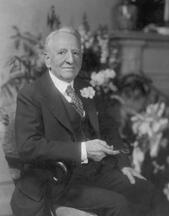
Here you will find contact information for Senator Carter Glass, including email address, phone number, and mailing address.
| Name | Carter Glass |
| Position | Senator |
| State | Virginia |
| Party | Democratic |
| Status | Former Representative |
| Term Start | November 4, 1902 |
| Term End | May 28, 1946 |
| Terms Served | 14 |
| Born | January 4, 1858 |
| Gender | Male |
| Bioguide ID | G000232 |
About Senator Carter Glass
Carter Glass served as a Senator from Virginia in the United States Congress from 1902 to 1946. A member of the Democratic Party, Carter Glass contributed to the legislative process during 14 terms in office.
Carter Glass’s service in Congress occurred during a significant period in American history. As a member of the Senate, Carter Glass participated in the democratic process and represented the interests of constituents.
Carter Glass (January 4, 1858 – May 28, 1946) was an American newspaper publisher and Democratic politician from Lynchburg, Virginia. He represented Virginia in both houses of Congress and served as the United States Secretary of the Treasury under President Woodrow Wilson. He played a major role in the establishment of the U.S. financial regulatory system, helping to establish the Federal Reserve System and the Federal Deposit Insurance Corporation. After working as a newspaper editor and publisher, Glass won election to the Senate of Virginia in 1899. He was a delegate to the Virginia Constitutional Convention of 1902, where he was an influential advocate for segregationist policies. Historian J. Douglas Smith described him as “the architect of disenfranchisement in the Old Dominion.” He also promoted progressive fiscal and regulatory reform but these contributions were often superficial since Glass generally opposed the most reformist aspects of federal legislation and was a New Deal critic. Glass won election to the United States House of Representatives in 1902 and became Chairman of the House Committee on Banking and Currency in 1913. Working with President Wilson, he passed the Federal Reserve Act, which established a central banking system for the United States. Glass served as Secretary of the Treasury from 1918 until 1920, when he accepted an appointment to represent Virginia in the United States Senate. Glass was a favorite son candidate for the presidential nomination at the 1920 Democratic National Convention. Glass was appointed to the Senate in 1920 and served until his death in 1946, becoming Chairman of the Senate Appropriations Committee in 1933. He also served as president pro tempore of the Senate from 1941 to 1945. He co-sponsored the 1933 Banking Act, also known as the Glass–Steagall Act, which created the Federal Deposit Insurance Corporation and enforced the separation of investment banking firms and commercial banks. An ardent supporter of states’ rights, Glass opposed much of the New Deal and clashed with President Franklin D. Roosevelt over the control of federal appointments in Virginia.