Representative Daniel Huger
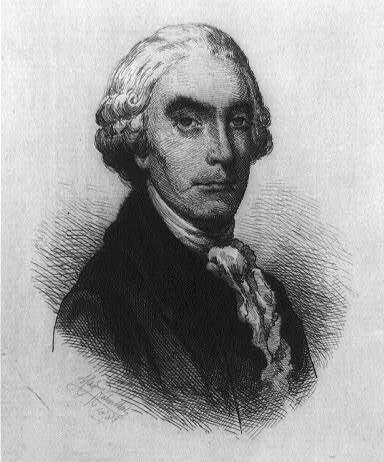
Here you will find contact information for Representative Daniel Huger, including email address, phone number, and mailing address.
| Name | Daniel Huger |
| Position | Representative |
| State | South Carolina |
| District | 3 |
| Party | Unknown |
| Status | Former Representative |
| Term Start | March 4, 1789 |
| Term End | March 3, 1793 |
| Terms Served | 2 |
| Born | February 20, 1742 |
| Gender | Male |
| Bioguide ID | H000916 |
About Representative Daniel Huger
Daniel Huger (February 20, 1742 – July 6, 1799) was an American planter and politician who served two terms in the United States House of Representatives from Berkeley County, South Carolina, from 1789 to 1793. Born into a prominent Lowcountry family of French Huguenot descent, he was a member of a lineage that had been influential in South Carolina since the colonial era. His grandfather, Daniel Huger Sr. (1651–1711), was a French Huguenot born in Loudun, France, who settled in Charleston after emigrating from France, helping to establish the Huger family among the leading planter and political families of the colony.
Raised within this established Huguenot community, Huger became a substantial planter in South Carolina, participating in the plantation economy that relied on enslaved labor; he owned slaves. His social and economic position in Berkeley County and the broader Charleston area provided a foundation for his entry into public life. Through family and social connections, he was linked to other prominent political families in the early United States, reinforcing his status within the regional elite.
Huger’s political career developed in the years surrounding the American Revolution and the formation of the new national government. He emerged as a representative figure of South Carolina’s planter class in the post-Revolutionary period, engaging in public affairs as the state and nation adjusted to independence. By the mid-1780s, his experience and standing led to his selection for higher responsibilities in the emerging federal system.
From 1786 to 1788, Daniel Huger served as a delegate for South Carolina to the Continental Congress, participating in the final years of that body under the Articles of Confederation. In this role, he took part in the national deliberations that preceded the adoption of the United States Constitution, representing South Carolina’s interests as the states debated the future structure of the federal government. His service in the Continental Congress placed him among the generation of leaders who bridged the Revolutionary era and the constitutional period.
Following the ratification of the Constitution, Huger was elected as a Representative from South Carolina in the United States Congress, serving in the House of Representatives from 1789 to 1793. Representing Berkeley County, he sat in the First and Second Congresses during a formative period in American national governance. A member of the Unknown Party in terms of later formal party labels, he nonetheless contributed to the legislative process as the new federal institutions took shape, participating in the democratic process and representing the interests of his constituents in South Carolina as Congress addressed issues of finance, administration, and the organization of the federal government.
Huger’s family connections extended his influence into subsequent generations of American public life. His wife was the sister of the wife of Lewis Morris Jr., the son of New York Congressman Lewis Morris, linking the Hugers to a prominent New York political family. His son, Daniel Elliott Huger, later served in the United States Senate for South Carolina and married a daughter of Arthur Middleton, a South Carolina signer of the Declaration of Independence, further intertwining the Huger family with leading Revolutionary and political lineages. Through his son Daniel, his great-granddaughter Mary Procter Huger became the wife of Confederate General Arthur Middleton Manigault, himself of Huguenot descent, and a nephew of Daniel Elliott Huger was Confederate General Benjamin Huger, illustrating the family’s continued prominence into the nineteenth century.
Daniel Huger died on July 6, 1799. By the time of his death, he had been part of the generation that guided South Carolina and the United States from colonial status through revolution and into the early years of the federal republic, leaving a legacy carried forward by his descendants in both state and national public life.