Senator Edward Prentiss Costigan
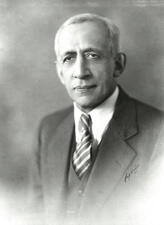
Here you will find contact information for Senator Edward Prentiss Costigan, including email address, phone number, and mailing address.
| Name | Edward Prentiss Costigan |
| Position | Senator |
| State | Colorado |
| Party | Democratic |
| Status | Former Representative |
| Term Start | December 7, 1931 |
| Term End | January 3, 1937 |
| Terms Served | 1 |
| Born | July 1, 1874 |
| Gender | Male |
| Bioguide ID | C000797 |
About Senator Edward Prentiss Costigan
Edward Prentiss Costigan (July 1, 1874 – January 17, 1939) was a Democratic Party politician who represented Colorado in the United States Senate from 1931 to 1937. Born in the late nineteenth century, he came of age during a period of rapid economic and social change in the United States, developments that would later shape his interest in progressive reform and public service. He emerged as a prominent figure in Colorado politics in the early twentieth century and became known for his advocacy of labor protections and social legislation.
Costigan’s early life and education laid the foundation for his later political career. As a young man, he distinguished himself in school leadership, serving as class president while his future wife, Mabel Cory, served as class secretary. Their shared involvement in academic and civic activities reflected an early commitment to public engagement and community affairs. This formative period helped cultivate Costigan’s skills in organization, debate, and leadership, which he would later bring to his legal and political work.
On June 12, 1903, Costigan married his high school classmate, Mabel Cory. Their marriage was a partnership grounded in mutual interest in reform and public welfare. Mabel became a notable civic leader in her own right, deeply involved in church, educational, and community affairs. An expert on Sunday school primary work, she was also a lecturer and storyteller. She served as president of the Woman’s Club of Denver and as chairwoman of the industrial committee of the Colorado State Federation of Women’s Clubs. In these roles, she campaigned vigorously for child labor laws, with particular focus on prohibiting the use of children in sugar beet fields, and she served on the advisory council of the National Child Labor Committee. Her concern for the plight of foreign-born workers and their treatment in labor practices paralleled and reinforced Costigan’s own progressive outlook.
By 1912, Costigan had become a leading reform voice in Colorado, and he was a founding member of the Progressive Party in the state. His participation in the Progressive movement reflected his commitment to curbing corporate abuses, improving labor conditions, and expanding democratic participation. Through his legal and political activities during this period, he helped shape the state’s reform agenda and gained a reputation as an advocate for social justice and governmental accountability.
Costigan’s prominence in Colorado politics and his alignment with progressive ideals eventually led him into national office. A member of the Democratic Party, he was elected to the United States Senate from Colorado and served one term from 1931 to 1937. His service in Congress occurred during a significant period in American history, encompassing the early years of the Great Depression and the initial phase of the New Deal. As a senator, Edward Prentiss Costigan contributed to the legislative process, participated in the democratic governance of the nation, and represented the interests of his Colorado constituents at a time of economic crisis and social upheaval. He was involved in debates over economic recovery, labor protections, and federal relief, and he worked within the Democratic majority that sought to reshape the federal government’s role in addressing the Depression.
After leaving the Senate in 1937, Costigan retired from professional and political life. Having completed his term in office, he withdrew from active public service but remained identified with the progressive and Democratic causes that had defined his career. He died on January 17, 1939, and was buried at Fairmount Cemetery in Denver, Colorado. His life and career, closely intertwined with those of his wife Mabel and with the broader Progressive and New Deal eras, left a legacy of advocacy for labor reform, child welfare, and the public interest in both Colorado and the nation.