Representative Edward Eugene Cox
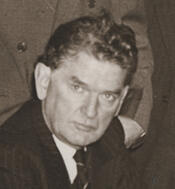
Here you will find contact information for Representative Edward Eugene Cox, including email address, phone number, and mailing address.
| Name | Edward Eugene Cox |
| Position | Representative |
| State | Georgia |
| District | 2 |
| Party | Democratic |
| Status | Former Representative |
| Term Start | December 7, 1925 |
| Term End | January 3, 1953 |
| Terms Served | 14 |
| Born | April 3, 1880 |
| Gender | Male |
| Bioguide ID | C000831 |
About Representative Edward Eugene Cox
Edward Eugene Cox served as a Representative from Georgia in the United States Congress from 1925 to 1953. A member of the Democratic Party, Edward Eugene Cox contributed to the legislative process during 14 terms in office.
Edward Eugene Cox’s service in Congress occurred during a significant period in American history. As a member of the House of Representatives, Edward Eugene Cox participated in the democratic process and represented the interests of constituents.
Edward Eugene “Eugene” or “Goober” Cox (April 3, 1880 – December 24, 1952) served as a U.S. representative from Georgia for nearly 28 years. A conservative Democrat who supported racial segregation and opposed President Franklin Roosevelt’s “New Deal,” Cox became the most senior Democrat on the House Committee on Rules. Two special investigative committees that he chaired were heavily criticized as result-oriented persecutions of those disliked by Cox. A failed attempt to create another such committee would turn out to have far-reaching consequences. In 1941, with American entry into World War II seeming inevitable, Cox proposed an investigative committee, similar to the Civil War-era Joint Committee on the Conduct of the War, to deal with matters of national defense. When Roosevelt learned of Cox’s intentions, he pre-empted them by agreeing to a similar proposal from Missouri Senator Harry Truman. The Truman Committee would come to be seen as a significant asset to the war effort, and its chairman, then a little-known backbencher, would become Roosevelt’s Vice President and, after his death in 1945, US President.