Representative Francis Dugan Culkin
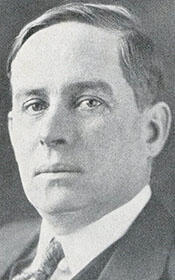
Here you will find contact information for Representative Francis Dugan Culkin, including email address, phone number, and mailing address.
| Name | Francis Dugan Culkin |
| Position | Representative |
| State | New York |
| District | 32 |
| Party | Republican |
| Status | Former Representative |
| Term Start | December 5, 1927 |
| Term End | January 3, 1945 |
| Terms Served | 9 |
| Born | November 10, 1874 |
| Gender | Male |
| Bioguide ID | C000968 |
About Representative Francis Dugan Culkin
Francis Dugan Culkin (November 10, 1874 – August 4, 1943) was a Republican member of the United States House of Representatives from New York who served nine consecutive terms in Congress between 1927 and 1945. Over the course of his legislative career, he contributed to the work of the House during a period marked by the late 1920s economic expansion, the Great Depression, and the early years of the Second World War, representing the interests of his New York constituents within the broader national debate.
Culkin was born on November 10, 1874, and came of age in the closing decades of the nineteenth century, a time of rapid industrialization and political realignment in the United States. His early life in New York exposed him to the economic and social changes that were reshaping both the state and the nation, and these formative experiences helped shape his later interest in public service and Republican Party politics. Growing up in this environment, he developed an understanding of the concerns of local communities that would later inform his work as a legislator.
In keeping with the expectations of aspiring professionals of his generation, Culkin pursued a formal education that prepared him for a career in law and public affairs. He studied in New York institutions that were closely tied to the state’s political and legal communities, gaining the training and credentials necessary to enter the bar. His legal education provided him with a grounding in constitutional and statutory interpretation, skills that would later prove valuable in his legislative work in the House of Representatives.
Before entering Congress, Culkin established himself in professional and civic life in New York. He practiced law and became involved in local and state Republican politics, building a reputation as a capable attorney and public-spirited citizen. Through his legal practice and party activity, he developed connections with community leaders, business interests, and party officials, which positioned him to seek higher office. His growing prominence within the Republican Party in New York reflected both his professional standing and his ability to articulate the concerns of his constituents.
Culkin was elected as a Republican to the United States House of Representatives from New York and took his seat in 1927. He went on to serve nine terms in Congress, remaining in office through 1945. During these years, he participated in the democratic process at the federal level, contributing to debates and legislation that addressed some of the most pressing issues of his era, including economic recovery, social welfare, and national defense. As a member of the House, he worked within the committee system and the broader legislative framework to represent the interests of his district while aligning with the principles of the Republican Party.
His congressional service coincided with a significant period in American history. Culkin entered Congress near the end of the prosperous 1920s, witnessed the onset and deepening of the Great Depression after 1929, and served through the New Deal era and the early years of World War II. Within this context, he engaged with legislation that sought to stabilize the economy, address unemployment and agricultural distress, and prepare the nation for global conflict. Throughout, he remained a voice for his New York constituents, balancing local concerns with national priorities as the federal government’s role in American life expanded.
Francis Dugan Culkin continued his service in the House of Representatives into the 1940s, maintaining his involvement in legislative affairs as the United States moved from peacetime challenges to wartime mobilization. His long tenure reflected sustained support from his district and a consistent presence in Republican ranks during a time of shifting political coalitions. He died on August 4, 1943, while still a figure associated with congressional service, leaving a record of nearly two decades in the national legislature during one of the most consequential periods in modern American history.