Senator Frank Porter Graham
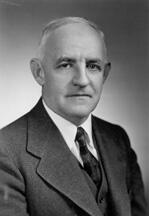
Here you will find contact information for Senator Frank Porter Graham, including email address, phone number, and mailing address.
| Name | Frank Porter Graham |
| Position | Senator |
| State | North Carolina |
| Party | Democratic |
| Status | Former Representative |
| Term Start | March 29, 1949 |
| Term End | January 3, 1951 |
| Terms Served | 1 |
| Born | October 14, 1886 |
| Gender | Male |
| Bioguide ID | G000353 |
About Senator Frank Porter Graham
Frank Porter Graham served as a Senator from North Carolina in the United States Congress from 1949 to 1951. A member of the Democratic Party, Frank Porter Graham contributed to the legislative process during 1 term in office.
Frank Porter Graham’s service in Congress occurred during a significant period in American history. As a member of the Senate, Frank Porter Graham participated in the democratic process and represented the interests of constituents.
Frank Porter Graham (October 14, 1886 – February 16, 1972) was an American educator and political activist. A professor of history, he was elected President of the University of North Carolina at Chapel Hill in 1930, and he later became the first President of the consolidated University of North Carolina system. Graham was an active champion of many liberal causes including academic freedom, economic justice, civil rights, disarmament and world peace. He served on numerous advisory boards for Presidents Franklin D. Roosevelt and Harry S. Truman, and in 1949 he was appointed by the North Carolina governor to fill a vacant seat in the United States Senate. His effort to win election in the following year turned into a bitter and ultimately unsuccessful struggle with conservative Democrat Willis Smith. In 1951 he was appointed as a United Nations mediator for the Kashmir dispute between India and Pakistan. He pursued that elusive goal for 16 years, and he continued his advocacy work on many other issues, until failing health forced him to retire from public life in 1967.