Representative Fred Ewing Lewis
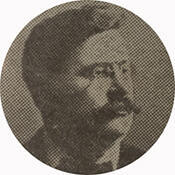
Here you will find contact information for Representative Fred Ewing Lewis, including email address, phone number, and mailing address.
| Name | Fred Ewing Lewis |
| Position | Representative |
| State | Pennsylvania |
| District | -1 |
| Party | Republican |
| Status | Former Representative |
| Term Start | April 7, 1913 |
| Term End | March 3, 1915 |
| Terms Served | 1 |
| Born | February 8, 1865 |
| Gender | Male |
| Bioguide ID | L000283 |
About Representative Fred Ewing Lewis
Fred Ewing Lewis (February 8, 1865 – June 27, 1949) was a Republican member of the U.S. House of Representatives from Pennsylvania who served one term in Congress from 1913 to 1915. Over the course of his public life he participated actively in the legislative and democratic processes of his era and represented the interests of his constituents during a significant period in American history.
Lewis was born on February 8, 1865. Details of his early life, including his place of birth, family background, and childhood circumstances, are not extensively documented in the surviving public record, but he came of age in the closing months of the Civil War and the subsequent Reconstruction era, a context that shaped the political and social environment in which he would later pursue public service. His formative years unfolded during a time of rapid industrialization and political realignment in the United States, particularly in Pennsylvania, which was emerging as a major industrial and political center.
Information about Lewis’s formal education is limited in the available sources. However, his later career in public office and his role in national legislative affairs indicate that he attained a level of education and professional development sufficient to engage in the complex legal, economic, and political questions that came before Congress in the early twentieth century. His entry into Republican politics reflected the party’s strength in Pennsylvania during this period and its appeal to professionals and civic leaders who were drawn into public life.
By the early 1910s, Lewis had established himself sufficiently in public and political circles to seek national office as a Republican. He was elected as a Representative from Pennsylvania to the United States Congress and served in the House of Representatives from 1913 to 1915. His tenure coincided with the Sixty-third Congress, a time marked by the administration of President Woodrow Wilson and by major national debates over tariff reform, banking and currency legislation, and the evolving role of the federal government in economic and social policy. As a member of the House, Fred Ewing Lewis contributed to the legislative process during his single term in office, participating in deliberations and votes that reflected both national priorities and the concerns of his Pennsylvania constituents.
Lewis’s service in Congress occurred during a significant period in American history, as the nation confronted the early stages of the Progressive Era’s reforms and the emerging international tensions that would soon lead to World War I. Within this context, he took part in the democratic process as a Republican representative, working within the committee and floor procedures of the House to address issues of importance to his district and state. Although detailed records of his specific committee assignments and sponsored legislation are not fully preserved in the brief summaries available, his role as a voting member of the House placed him within the broader legislative efforts of his party and Congress during a transformative moment in federal policymaking.
After his term ended in 1915, Lewis did not return to Congress, and he resumed private life and any local or professional pursuits outside the national legislature. While the surviving summaries of his career focus primarily on his congressional service, his continued presence in public records until his death suggests that he remained a figure of some standing in his community and within Republican circles in Pennsylvania. His experience as a former member of the House would have given him ongoing insight into national affairs and the workings of representative government.
Fred Ewing Lewis died on June 27, 1949, closing a life that spanned from the immediate aftermath of the Civil War through World War I, the Great Depression, World War II, and the beginning of the postwar era. Remembered in the historical record as a Republican member of the U.S. House of Representatives from Pennsylvania, he is noted for his service in the Sixty-third Congress and for his participation in the legislative and democratic processes during a pivotal period in the nation’s political development.