Representative Frederick William Lord
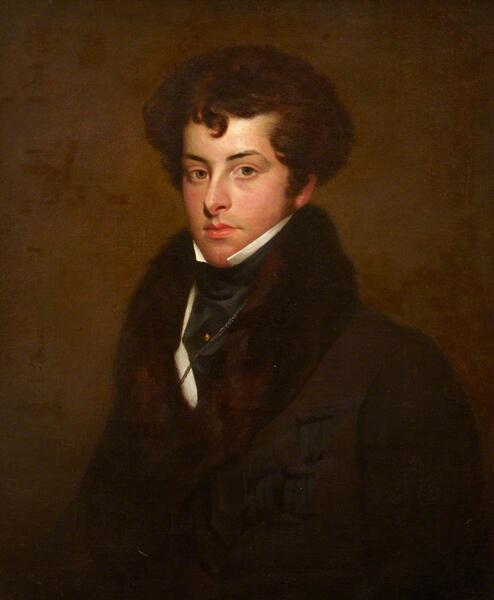
Here you will find contact information for Representative Frederick William Lord, including email address, phone number, and mailing address.
| Name | Frederick William Lord |
| Position | Representative |
| State | New York |
| District | 1 |
| Party | Democratic |
| Status | Former Representative |
| Term Start | December 6, 1847 |
| Term End | March 3, 1849 |
| Terms Served | 1 |
| Born | December 11, 1800 |
| Gender | Male |
| Bioguide ID | L000440 |
About Representative Frederick William Lord
Frederick William Lord (December 11, 1800 – May 24, 1860) was an American educator, physician, and politician who served one term as a United States representative from New York from 1847 to 1849. Born at the opening of the nineteenth century, he came of age in a period of rapid political, social, and territorial change in the United States, developments that would later frame his public career. Details of his early family life and exact place of birth are not extensively documented in surviving records, but his subsequent professional pursuits in education and medicine indicate that he received a substantial formal education for his time.
Lord’s early adult years were marked by his work as an educator, a common avenue of advancement for educated young men in the early republic. His experience in teaching not only reflected a commitment to learning and civic improvement but also provided him with the skills in communication and public engagement that would later serve him in professional and political life. In an era when formal medical education was evolving from apprenticeship models to more structured training, Lord pursued the study of medicine and qualified as a physician, joining a profession that was increasingly important in growing communities across New York and the broader United States.
As a physician, Lord practiced medicine during a period of significant public health challenges, including recurring epidemics and the demands of expanding urban and rural populations. His dual background in education and medicine placed him at the intersection of two key pillars of community life, and it likely enhanced his local standing and credibility as a prospective public official. His professional work would have brought him into close contact with a wide range of constituents, giving him direct insight into the social and economic conditions of the people he later represented.
Lord’s political career culminated in his election to the United States House of Representatives as a member of the Democratic Party from New York. He served a single term in the Thirtieth Congress, which met from March 4, 1847, to March 3, 1849. Representing his New York constituency in the House of Representatives, he participated in the legislative process during a significant period in American history, when issues such as territorial expansion following the Mexican–American War, questions about the extension of slavery into new territories, and debates over economic policy were at the forefront of national politics. As a Democratic representative, he took part in the deliberations and votes that shaped federal policy in these years, contributing to the democratic process and representing the interests of his constituents in New York.
During his congressional service, Lord’s work would have involved committee assignments, floor debates, and the consideration of legislation affecting both his home state and the nation at large. Although detailed records of his individual speeches and specific legislative initiatives are limited, his presence in the Thirtieth Congress placed him among the national lawmakers confronting the mounting sectional tensions that would, in the following decade, move the country closer to civil conflict. His single term suggests that he either chose not to seek, or did not secure, renomination or reelection, a common occurrence in an era when many members served briefly before returning to private life.
After leaving Congress in 1849, Lord returned to his professional pursuits outside the national legislature. Consistent with the pattern of many nineteenth-century citizen-legislators, he resumed life in his home state, where his experience as an educator, physician, and former member of Congress would have continued to command respect in his community. While the surviving record does not provide extensive detail about his later activities, it is likely that he remained engaged in local affairs and continued to practice his profession.
Frederick William Lord died on May 24, 1860, closing a life that spanned from the early years of the republic through the turbulent decade preceding the Civil War. His career reflected the multifaceted roles often held by nineteenth-century American public figures, combining service in education, medicine, and politics. Through his single term in the United States House of Representatives as a Democrat from New York, he contributed to the governance of the nation during a formative and contentious period in its history.