Representative George Edmund Gorman
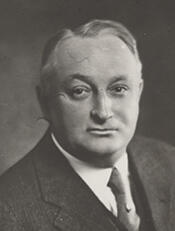
Here you will find contact information for Representative George Edmund Gorman, including email address, phone number, and mailing address.
| Name | George Edmund Gorman |
| Position | Representative |
| State | Illinois |
| District | 3 |
| Party | Democratic |
| Status | Former Representative |
| Term Start | April 7, 1913 |
| Term End | March 3, 1915 |
| Terms Served | 1 |
| Born | April 13, 1873 |
| Gender | Male |
| Bioguide ID | G000327 |
About Representative George Edmund Gorman
George Edmund Gorman (April 13, 1873 – January 13, 1935) was a U.S. Representative from Illinois who served one term in the United States Congress from 1913 to 1915. A member of the Democratic Party, he represented his Illinois constituency during a significant period in American political and social history, contributing to the legislative process as a member of the House of Representatives.
Born on April 13, 1873, Gorman came of age in the post–Civil War era, a time of rapid industrialization and urban growth that would shape the political and economic landscape of Illinois and the nation. Details of his early life, including his family background and formative influences, are not extensively documented in the surviving public record, but his later professional and political career reflects the trajectory of a class of urban, professionally trained Democrats who emerged in the late nineteenth and early twentieth centuries.
Gorman pursued an education that prepared him for a career in the law, a common pathway for future legislators of his generation. Through his legal training and admission to the bar, he entered the profession that would serve as the foundation for his public life. Practicing law in Illinois, he became familiar with the concerns of clients and communities in a rapidly changing state, which was experiencing both the benefits and strains of industrial expansion, immigration, and urbanization.
From this legal and professional base, Gorman entered public service and electoral politics as a Democrat. He was elected as a Representative from Illinois to the United States House of Representatives and served in the Sixty-third Congress from 1913 to 1915. His term coincided with the administration of President Woodrow Wilson and with an era of major legislative initiatives at the federal level, including progressive reforms in banking, tariffs, and regulation. As a member of the House of Representatives, Gorman participated in the democratic process, represented the interests of his constituents, and contributed to the legislative deliberations of a Congress that was addressing questions of economic policy, social reform, and the evolving role of the federal government.
Gorman’s service in Congress lasted for a single term, and he left the House in 1915. Although specific committee assignments and sponsored measures are not detailed in the available record, his tenure placed him among those lawmakers who helped shape national policy in the years immediately preceding the United States’ entry into World War I. His experience in Washington, D.C., reflected both the opportunities and challenges facing Democratic representatives from industrial states during a period of shifting political alignments and growing federal activism.
After his congressional service, Gorman returned to private life and to the practice of law, resuming his professional career in Illinois. In the years following his term in the House, he continued to live and work during a period that encompassed the First World War, the prosperity of the 1920s, and the onset of the Great Depression, remaining part of the broader civic and professional fabric of his community.
George Edmund Gorman died on January 13, 1935. His career as an attorney and his single term in the United States Congress place him within the broader history of early twentieth-century American legislators who bridged local legal practice and national public service, representing Illinois during a transformative era in the nation’s political and economic development.