Senator George Hearst
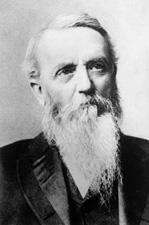
Here you will find contact information for Senator George Hearst, including email address, phone number, and mailing address.
| Name | George Hearst |
| Position | Senator |
| State | California |
| Party | Democratic |
| Status | Former Representative |
| Term Start | January 1, 1886 |
| Term End | December 31, 1891 |
| Terms Served | 2 |
| Born | September 3, 1820 |
| Gender | Male |
| Bioguide ID | H000428 |
About Senator George Hearst
George Hearst served as a Senator from California in the United States Congress from 1885 to 1891. A member of the Democratic Party, George Hearst contributed to the legislative process during 2 terms in office.
George Hearst’s service in Congress occurred during a significant period in American history. As a member of the Senate, George Hearst participated in the democratic process and represented the interests of constituents.
George Hearst (September 3, 1820 – February 28, 1891) was an American businessman, politician, and patriarch of the Hearst business dynasty. After growing up on a small farm in Missouri, he founded many mining operations and is known for developing and expanding the Homestake Mine in the late 1870s in the Black Hills of South Dakota. In 1879, he listed it on the New York Stock Exchange and went on to other pursuits. The mine’s gold production continued uninterrupted until 2001. After settling in San Francisco in the early 1860s, Hearst became a politician, first representing San Francisco in the state legislature for one term. He also maintained mining interests through his company. Hearst was appointed as a United States senator in 1886 to fill a vacancy and was elected as a Democrat later that year on his own account. He served in the Senate from 1887 to his death in 1891. His only child from his late marriage (at age 42) was his son William Randolph Hearst, who became internationally known as a newspaperman and publisher and was a primary inspiration for Orson Welles’s 1941 film Citizen Kane.