Representative George Dexter Robinson
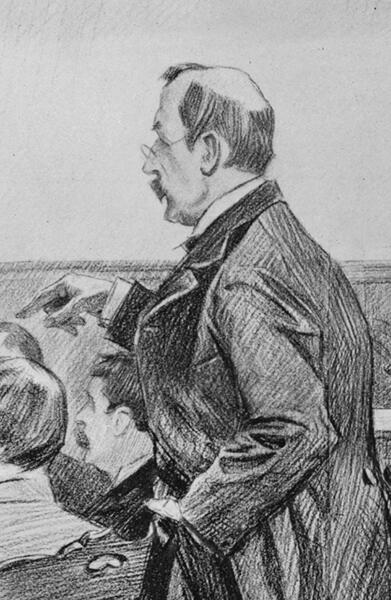
Here you will find contact information for Representative George Dexter Robinson, including email address, phone number, and mailing address.
| Name | George Dexter Robinson |
| Position | Representative |
| State | Massachusetts |
| District | 12 |
| Party | Republican |
| Status | Former Representative |
| Term Start | October 15, 1877 |
| Term End | March 3, 1885 |
| Terms Served | 4 |
| Born | January 20, 1834 |
| Gender | Male |
| Bioguide ID | R000335 |
About Representative George Dexter Robinson
George Dexter Robinson served as a Representative from Massachusetts in the United States Congress from 1877 to 1885. A member of the Republican Party, George Dexter Robinson contributed to the legislative process during 4 terms in office.
George Dexter Robinson’s service in Congress occurred during a significant period in American history. As a member of the House of Representatives, George Dexter Robinson participated in the democratic process and represented the interests of constituents.
George Dexter Robinson (born George Washington Robinson; January 20, 1834 – February 22, 1896) was an American lawyer and Republican politician from Chicopee, Massachusetts. After serving in the Massachusetts General Court and United States House of Representatives, Robinson served three one-year terms as Governor of Massachusetts, notably defeating Benjamin Franklin Butler in the 1883 election. After leaving office, his most famous legal client was Lizzie Borden, notoriously accused of killing her father and stepmother. She was acquitted in a highly sensationalized trial. Born in Lexington and educated at Harvard, Robinson taught high school before becoming a lawyer. He gained a reputation as a fine Parliamentarian while serving in Congress. As governor, he promoted the passage of civil service reform legislation and labor-friendly wage and dispute-resolution laws. He aligned with the state’s industrial leaders against public health advocates, and banned discrimination in the issuance of life insurance policies. As a lawyer, he gained notoriety for Borden’s defense, and was criticized for defending fraudulent fraternal benefit societies.