Senator Gideon Curtis Moody
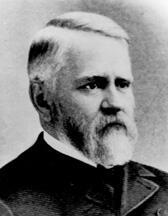
Here you will find contact information for Senator Gideon Curtis Moody, including email address, phone number, and mailing address.
| Name | Gideon Curtis Moody |
| Position | Senator |
| State | South Dakota |
| Party | Republican |
| Status | Former Representative |
| Term Start | December 2, 1889 |
| Term End | March 3, 1891 |
| Terms Served | 1 |
| Born | October 16, 1832 |
| Gender | Male |
| Bioguide ID | M000879 |
About Senator Gideon Curtis Moody
Gideon Curtis Moody (October 16, 1832 – March 17, 1904) was an American attorney, jurist, and Republican politician who became one of the first United States Senators from South Dakota. He was born in Cortland, Cortland County, New York, where he spent his early years before moving west as a young man. Trained in the law, he was admitted to the bar and began a legal career that would lead him into public service on the American frontier during a period of rapid territorial development and eventual statehood for the Dakotas.
Moody’s legal training and early practice prepared him for a prominent role in the evolving judicial and political structures of the Dakota Territory. By the late 1870s he had established himself as a respected lawyer, and his abilities led to his appointment as an associate justice of the Dakota Territory Supreme Court. He served on that court from 1878 to 1883, a five-year tenure during which he helped shape the territorial legal system at a time when the region was transitioning from a sparsely settled frontier to a more organized society seeking eventual admission to the Union.
After leaving the bench in 1883, Moody entered private practice and became closely associated with the economic development of the Black Hills region. He served for a period as general counsel for the Homestake Mine, one of the most significant gold-mining enterprises in the United States. In this role he handled complex legal matters related to mining claims, property rights, and corporate affairs, further enhancing his reputation as a skilled attorney and influential figure in territorial affairs.
Moody’s prominence in law and business naturally carried over into politics, and he became active in Republican Party circles in the Dakota Territory. As the movement for statehood gained strength in the 1880s, he was among the leaders who advocated for the organization and admission of South Dakota as a state. His standing within the Republican Party and his record of public service made him a leading candidate for high office once statehood was achieved.
When South Dakota joined the Union on November 2, 1889, Gideon Curtis Moody was chosen by the state legislature as one of the new state’s first two United States Senators. A member of the Republican Party, he took office in 1889 and served in the United States Senate from 1889 to 1891, completing a single term of two years. His service in Congress occurred during a significant period in American history, as the nation continued to integrate new western states and address issues of economic development, infrastructure, and federal policy affecting the Great Plains and mining regions. As a senator, Moody participated in the legislative process, represented the interests of his South Dakota constituents, and contributed to the early shaping of the state’s role in national affairs. His term concluded in March 1891, when his initial Senate term was up.
Following his departure from the Senate, Moody returned to private life and the practice of law. Drawing on his extensive experience as a jurist, corporate counsel, and legislator, he remained an influential figure in legal and political circles in the region, though he did not again hold national office. He lived to see South Dakota more firmly established within the Union and the continued growth of the communities and industries he had helped to foster.
Gideon Curtis Moody died on March 17, 1904. His career spanned the transformation of the northern plains from territorial status to statehood, and his work as a territorial supreme court justice, general counsel to a major mining enterprise, and United States Senator from South Dakota left a lasting imprint on the legal and political development of the region.