Governor Henry Hollis Horton
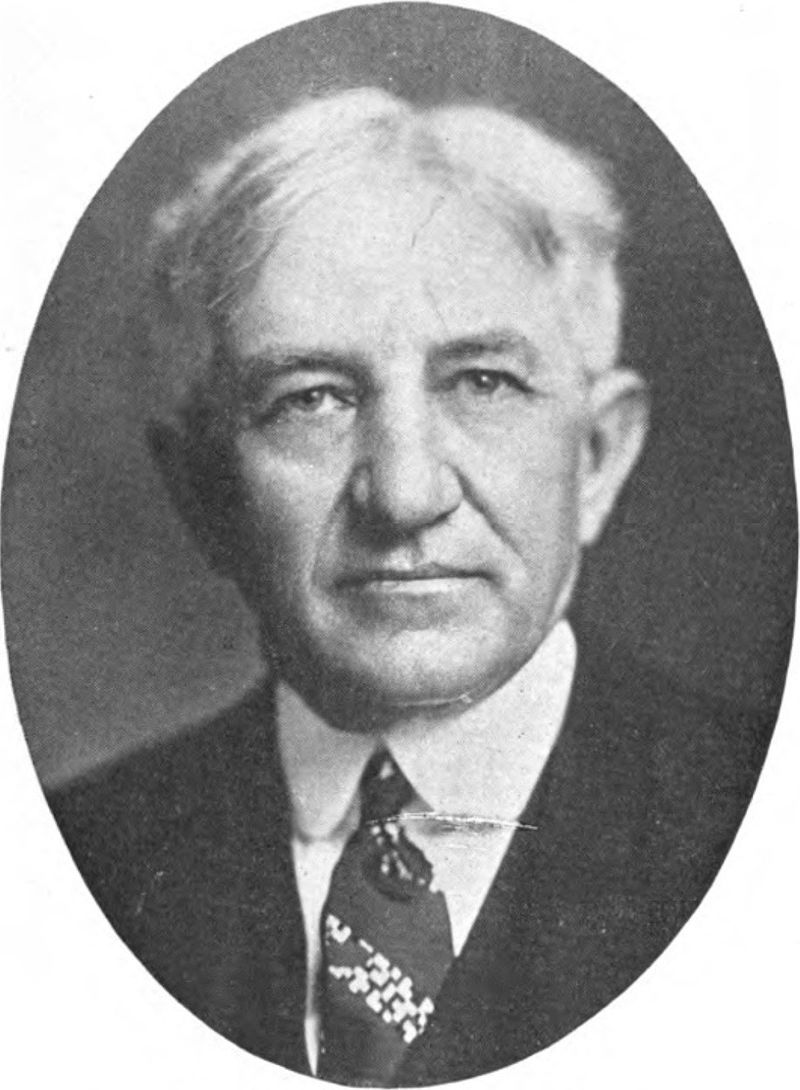
Here you will find contact information for Governor Henry Hollis Horton, including email address, phone number, and mailing address.
| Name | Henry Hollis Horton |
| Position | Governor |
| State | Tennessee |
| Party | Democratic |
| Status | Former Representative |
| Term Start | January 1, 1927 |
| Term End | December 31, 1933 |
| Website | Official Website |
About Governor Henry Hollis Horton
Born in Princeton, Alabama, HENRY HOLLIS HORTON studied for two years at the University of the South in Sewanee, taught school, and also practiced law, becoming director and general counsel for the Home Bank of Winchester, Tennessee. He represented Franklin County in the Tennessee House of Representatives from 1907 to 1909. He was also a Franklin County school commissioner and Winchester Alderman. He later moved to Marshall County, where he practiced law and operated a large farm, much of which is now part of the Henry Horton State Park. Horton won election to the Tennessee State Senate in 1926, becoming Speaker after taking the oath of office in January, 1927. Nine months later he succeeded to the office of governor upon the death of Austin Peay. He was elected in his own right in 1928 and reelected in 1930. During his administration, legislation was enacted abolishing the twenty-percent state property tax, increasing gasoline tax for road construction and maintenance, and imposing additional taxes on tobacco to support educational programs. However, Horton’s time in office was not without controversy. He had close ties with Luke Lea, a publisher, and with Caldwell and company, an investment bank, and when Caldwell and Company collapsed the day after the 1930 election, it went into receivership with more than $6million of Tennessee funds invested in it. Lea and Caldwell were indicted by an investigating committee and demands were made for the governor’s impeachment. Articles of impeachment were indeed returned, but Horton survived the scandal when the Tennessee House voted against impeachment by a vote of fifty-eight to forty-one. The legislature went on to tighten the rules regulating the deposit of the state’s funds in state banks. Horton did not seek reelection and retired to his home near Chapel Hill, where he died. He was buried in Lewisburg.