Senator Hugh Scott
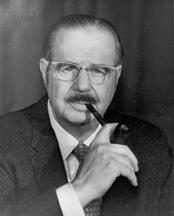
Here you will find contact information for Senator Hugh Scott, including email address, phone number, and mailing address.
| Name | Hugh Scott |
| Position | Senator |
| State | Pennsylvania |
| Party | Republican |
| Status | Former Representative |
| Term Start | January 3, 1941 |
| Term End | January 3, 1977 |
| Terms Served | 17 |
| Born | November 11, 1900 |
| Gender | Male |
| Bioguide ID | S000174 |
About Senator Hugh Scott
Hugh Doggett Scott served as a Senator from Pennsylvania in the United States Congress from 1941 to 1977. A member of the Republican Party, Hugh Doggett Scott contributed to the legislative process during 11 terms in office.
Hugh Doggett Scott’s service in Congress occurred during a significant period in American history. As a member of the Senate, Hugh Doggett Scott participated in the democratic process and represented the interests of constituents.
Hugh Doggett Scott Jr. (November 11, 1900 – July 21, 1994) was an American politician. A member of the Republican Party, he represented Pennsylvania in the U.S. House of Representatives from 1941 to 1945 and from 1947 to 1959 and in the U.S. Senate, from 1959 to 1977. He served as Senate Minority Leader from 1969 to 1977. Born and educated in Virginia, Scott moved to Philadelphia to join his uncle’s law firm. He was appointed as Philadelphia’s assistant district attorney in 1926 and remained in that position until 1941. Scott won election to represent Northwest Philadelphia in the House of Representatives in 1940. He lost re-election in 1944 but won his seat back in 1946 and served in the House until 1959. Scott established a reputation as an internationalist and moderate Republican Congressman. After helping Thomas E. Dewey win the 1948 Republican presidential nomination, Scott held the position of Chairman of the Republican National Committee from 1948 to 1949. He also served as Dwight Eisenhower’s campaign chairman in the 1952 presidential election. Scott won election to the Senate in 1958, narrowly prevailing over Democratic Governor George M. Leader. He was a strong advocate for civil rights legislation and voted in favor of the Civil Rights Acts of 1957, 1960, 1964, and 1968, as well as the 24th Amendment to the U.S. Constitution and the Voting Rights Act of 1965, and the confirmation of Thurgood Marshall to the U.S. Supreme Court. He won election as Senate Minority Whip in January 1969 and was elevated to Senate Minority Leader after Everett Dirksen’s death later that year. As the Republican leader in the Senate, Scott urged President Richard Nixon to resign in the aftermath of the Watergate Scandal. Scott declined to seek another term in 1976 and retired in 1977.