Senator Hugh Lawson White
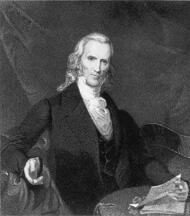
Here you will find contact information for Senator Hugh Lawson White, including email address, phone number, and mailing address.
| Name | Hugh Lawson White |
| Position | Senator |
| State | Tennessee |
| Party | Whig |
| Status | Former Representative |
| Term Start | December 5, 1825 |
| Term End | March 3, 1841 |
| Terms Served | 3 |
| Born | October 30, 1773 |
| Gender | Male |
| Bioguide ID | W000376 |
About Senator Hugh Lawson White
Hugh Lawson White served as a Senator from Tennessee in the United States Congress from 1825 to 1841. A member of the Whig Party, Hugh Lawson White contributed to the legislative process during 3 terms in office.
Hugh Lawson White’s service in Congress occurred during a significant period in American history. As a member of the Senate, Hugh Lawson White participated in the democratic process and represented the interests of constituents.
Hugh Lawson White (October 30, 1773 – April 10, 1840) was an American politician and judge. After filling in several posts particularly in Tennessee’s judiciary and state legislature since 1801, thereunder as a Tennessee Supreme Court justice, he was chosen to succeed Andrew Jackson in the United States Senate in 1825. He became a member of the new Democratic Party, supporting Jackson’s policies and his future presidential administration. However, he left the Democrats in 1836 and was a Whig candidate in that year’s presidential election. An ardent strict constructionist and lifelong states’ rights advocate, White was one of President Jackson’s most trusted allies in Congress in the late 1820s and early 1830s. White fought against the national bank, tariffs, and the use of federal funds for internal improvements, and led efforts in the Senate to pass the Indian Removal Act of 1830. In 1833, at the height of the Nullification Crisis, White, as the Senate’s president pro tempore, coordinated negotiations over the Tariff of 1833. Suspicious of the growing power of the presidency, White began to distance himself from Jackson in the mid-1830s, and realigned himself with Henry Clay and the burgeoning Whig Party. He was eventually forced out of the Senate when Jackson’s allies, led by James K. Polk, gained control of the Tennessee state legislature and demanded his resignation.