Representative James Walter Elder
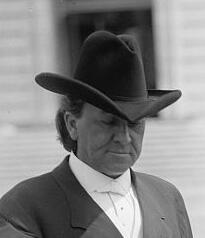
Here you will find contact information for Representative James Walter Elder, including email address, phone number, and mailing address.
| Name | James Walter Elder |
| Position | Representative |
| State | Louisiana |
| District | 5 |
| Party | Democratic |
| Status | Former Representative |
| Term Start | April 7, 1913 |
| Term End | March 3, 1915 |
| Terms Served | 1 |
| Born | October 5, 1882 |
| Gender | Male |
| Bioguide ID | E000102 |
About Representative James Walter Elder
James Walter Elder (October 5, 1882 – December 16, 1941) was an American lawyer and Democratic politician who served one term as a United States Representative for Louisiana’s 5th congressional district from 1913 to 1915. During his tenure in the House of Representatives, he participated in the legislative process at a significant moment in American history, representing the interests of his north Louisiana constituents in the Sixty-third Congress.
Elder was born in Grand Prairie, Texas, on October 5, 1882. He attended the public schools of his community and pursued higher education at Baylor University in Waco, Texas, where he studied from 1895 to 1901. His years at Baylor provided the foundation for his professional training and public career, equipping him with the education necessary for the practice of law and later political service.
After completing his studies at Baylor, Elder read law and prepared for admission to the bar. He was admitted to the bar in 1903 and commenced the practice of law in Farmerville, the seat of Union Parish in northern Louisiana. Establishing himself as a practicing attorney, he became active in local affairs and quickly emerged as a figure in municipal and regional politics. His growing prominence in Farmerville led to his election as mayor, a position that gave him early executive experience and a platform for broader public service.
Elder’s political career advanced to the state level when he was elected to the Louisiana State Senate, where he served one term from 1908 to 1912. As a state senator, he participated in shaping legislation affecting Louisiana during a period of progressive-era reforms and economic development in the South. Following his state legislative service, he moved from Farmerville to Monroe in Ouachita Parish to continue his legal practice, further embedding himself in the civic and professional life of northeastern Louisiana.
In 1912, Elder was elected as a Democrat to the Sixty-third Congress, representing Louisiana’s 5th congressional district. He served in the United States House of Representatives from March 4, 1913, to March 3, 1915. His term coincided with the early years of the Woodrow Wilson administration, a time marked by significant federal legislative activity in areas such as banking, tariffs, and regulatory reform. As a member of the House, Elder contributed to the legislative process and the democratic governance of the nation while advocating for the needs of his district. In 1914 he was defeated for renomination by Riley J. Wilson, bringing his congressional service to a close after one term.
Following his departure from Congress, Elder returned to Farmerville and resumed the practice of law, maintaining his professional role in the community he had long served. On January 1, 1925, he relocated to Ruston, in Lincoln Parish, Louisiana, where he continued his legal career. He practiced law in Ruston for the remainder of his life, remaining an active member of the bar and a respected figure in local civic affairs.
James Walter Elder died in Ruston, Louisiana, on December 16, 1941. He was interred at Greenwood Cemetery in Ruston. His career encompassed service at the municipal, state, and national levels, including his one-term tenure in the United States Congress, during which he represented Louisiana’s 5th congressional district as a member of the Democratic Party.