Representative James Martin Fitzpatrick
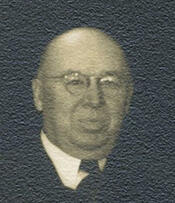
Here you will find contact information for Representative James Martin Fitzpatrick, including email address, phone number, and mailing address.
| Name | James Martin Fitzpatrick |
| Position | Representative |
| State | New York |
| District | 24 |
| Party | Democratic |
| Status | Former Representative |
| Term Start | December 5, 1927 |
| Term End | January 3, 1945 |
| Terms Served | 9 |
| Born | June 27, 1869 |
| Gender | Male |
| Bioguide ID | F000175 |
About Representative James Martin Fitzpatrick
James Martin Fitzpatrick (June 27, 1869 – April 10, 1949) was a Democratic U.S. Representative from New York who served nine consecutive terms in the United States Congress from 1927 to 1945. Representing a Bronx-based district, he participated actively in the legislative process during a period that encompassed the late 1920s, the Great Depression, the New Deal era, and the early years of World War II, and he was identified with the interests and concerns of his urban constituents.
Fitzpatrick was born in West Stockbridge, Berkshire County, Massachusetts, on June 27, 1869. He attended the local schools in Massachusetts and entered the workforce at an early age. As a young man he was employed in the cotton mills and iron ore mines of West Stockbridge, gaining firsthand experience of industrial labor conditions in the late nineteenth century. These early experiences in manual and industrial work helped shape his understanding of working-class life and the economic challenges faced by laborers in a rapidly industrializing nation.
In 1891 Fitzpatrick moved to The Bronx, New York, which would remain his home for the rest of his life and the base of his political career. Upon his arrival in New York City, he found employment in the transportation sector, working first for the Metropolitan Street Railroad Company and later for the Interborough Rapid Transit Company. He remained with these transit enterprises until 1925, a period that coincided with the expansion of New York’s streetcar and subway systems. After leaving the transit industry, he entered the real estate business as a partner in the firm of Fitzpatrick & Domph, marking his transition from wage-earning employment to private enterprise and laying the groundwork for his emergence as a local civic and political figure.
Fitzpatrick’s formal public service began in New York City government. In 1919 he was appointed Commissioner of Street Openings and Improvements for the Borough of the Bronx, a position that involved oversight of urban development, street planning, and related municipal improvements at a time of rapid growth in the borough. That same year he was elected to the New York City Board of Aldermen, where he served from 1919 to 1927. As an alderman, he represented Bronx interests in the city’s legislative body, participating in debates and decisions on local infrastructure, public services, and municipal governance during a period when New York City was consolidating its modern governmental and physical structure.
In 1926 Fitzpatrick was elected as a Democrat to the United States House of Representatives from New York, beginning his service in the Seventieth Congress on March 4, 1927. He was subsequently reelected to eight additional terms, serving continuously until January 3, 1945. Over these nine terms in office, he contributed to the legislative process during some of the most consequential years in modern American history. As a member of the House of Representatives, he participated in the democratic process at the federal level, representing the interests of his Bronx constituents and engaging with national issues arising from the economic crisis of the 1930s, the implementation of New Deal programs, and the nation’s mobilization for World War II. Throughout his congressional tenure, he remained aligned with the Democratic Party and its urban, working-class base, reflecting both his personal background and the character of his district.
Fitzpatrick chose not to run for reelection in 1944, thereby concluding his congressional service at the end of the Seventy-eighth Congress on January 3, 1945. After leaving the House of Representatives, he retired from public office and returned to private life in New York City. He continued to reside in the Bronx area, where he had long been a familiar figure in political, civic, and community affairs.
James Martin Fitzpatrick died in New York City on April 10, 1949. His death marked the passing of a long-serving representative of the Bronx who had risen from industrial labor in Massachusetts to a prominent role in municipal and national government. He was interred in Saint Raymond’s Cemetery in the Bronx, New York, reflecting his enduring connection to the borough he had represented and served for decades.