Representative James Peter Glynn
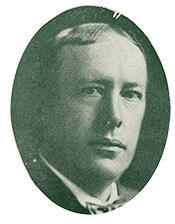
Here you will find contact information for Representative James Peter Glynn, including email address, phone number, and mailing address.
| Name | James Peter Glynn |
| Position | Representative |
| State | Connecticut |
| District | 5 |
| Party | Republican |
| Status | Former Representative |
| Term Start | December 6, 1915 |
| Term End | March 3, 1931 |
| Terms Served | 7 |
| Born | November 12, 1867 |
| Gender | Male |
| Bioguide ID | G000246 |
About Representative James Peter Glynn
James Peter Glynn (November 12, 1867 – March 6, 1930) was a Republican member of the United States House of Representatives from Connecticut who served seven terms in Congress between 1915 and 1930. Born in Winsted, Litchfield County, Connecticut, he was the son of Irish immigrants and was raised in a community shaped by New England industry and a growing immigrant population. He attended the public schools of Winsted, receiving a basic education that prepared him for professional study and public service.
After completing his schooling, Glynn studied law, pursuing legal training in Connecticut at a time when many aspiring attorneys combined formal study with apprenticeship in established law offices. He was admitted to the bar in 1895 and commenced the practice of law in his native Winsted. His legal career quickly intersected with local public affairs, and he became an active participant in the civic life of his hometown, building a reputation that would later support his entry into national politics.
Glynn’s early career in public service developed through a series of local offices in Winsted. He served as town clerk from 1892 to 1902, a position that placed him at the center of municipal record-keeping and local administration for a full decade. Concurrently, he served as prosecuting attorney of the town court from 1899 to 1902, handling local criminal and civil matters and further solidifying his standing as a capable lawyer and public official. His experience in these roles gave him detailed familiarity with the workings of local government and the legal system at the community level.
In 1902, Glynn was appointed postmaster of Winsted, a federal position he held until 1914. His twelve-year tenure as postmaster coincided with a period of expansion and modernization in the United States postal system, and his responsibilities included overseeing mail service in a growing industrial town and implementing federal postal policies at the local level. This role connected him directly to the federal government and broadened his administrative experience, while also enhancing his visibility and influence within the Republican Party in Connecticut.
Glynn entered national politics in the 1910s. A member of the Republican Party, he was elected to the Sixty-fourth Congress and to the three succeeding Congresses, serving as a U.S. Representative from Connecticut from March 4, 1915, to March 3, 1923. His congressional service began during a significant period in American history, encompassing the First World War and the early postwar years. As a member of the House of Representatives, he participated in the legislative process and represented the interests of his Connecticut constituents in debates over wartime mobilization, economic policy, and postwar adjustment. During the Sixty-seventh Congress, he served as chairman of the Committee on Expenditures in the Post Office Department, a role that drew on his earlier experience as postmaster and involved oversight of spending and efficiency within the postal service.
In 1922, Glynn was an unsuccessful candidate for reelection to the Sixty-eighth Congress, temporarily interrupting his service in the House. However, he soon returned to national office. He was elected again as a Republican to the Sixty-ninth, Seventieth, and Seventy-first Congresses and served from March 4, 1925, until his death in 1930. In these later terms, he continued to participate in the democratic process and to advocate for the needs of his district during a decade marked by economic growth and the emerging challenges that would culminate in the Great Depression. Over the course of his seven terms, Glynn’s legislative career reflected both his local administrative background and his long association with postal and governmental expenditures.
James Peter Glynn died in office on March 6, 1930, while traveling by train near Washington, D.C., becoming one of the members of the United States Congress who died in office during the first half of the twentieth century. His death brought an end to a public career that had spanned local, federal administrative, and legislative service. He was interred in the new St. Joseph’s Cemetery in Winsted, Connecticut, returning to the community where he had been born, educated, and had first entered public life.