Representative James Murray Hooker
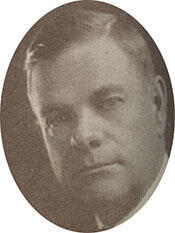
Here you will find contact information for Representative James Murray Hooker, including email address, phone number, and mailing address.
| Name | James Murray Hooker |
| Position | Representative |
| State | Virginia |
| District | 5 |
| Party | Democratic |
| Status | Former Representative |
| Term Start | April 11, 1921 |
| Term End | March 3, 1925 |
| Terms Served | 2 |
| Born | October 29, 1873 |
| Gender | Male |
| Bioguide ID | H000759 |
About Representative James Murray Hooker
James Murray Hooker (October 29, 1873 – August 6, 1940) was an American lawyer and Democratic politician who served as a U.S. Representative from Virginia in the early twentieth century. Born in the post-Reconstruction era, he came of age during a period of political realignment in the South, which shaped his later career in public service and his role in national legislative affairs.
Hooker pursued a legal education and entered the practice of law, establishing himself professionally before seeking elective office. His training and experience as a lawyer provided the foundation for his later work in Congress, where an understanding of statutory interpretation and legal procedure was essential. Through his legal career, he became familiar with the concerns of his community and the broader issues facing Virginia, positioning him to move into the political arena as a representative of Democratic Party principles in the state.
By the time Hooker sought national office, Virginia politics were dominated by the Democratic Party, and he aligned himself with that organization as it navigated the social and economic changes of the early twentieth century. His standing as an attorney and party member helped him secure election to the United States House of Representatives, where he would serve two consecutive terms. His election reflected both his personal reputation and the broader support for Democratic leadership in his district.
James Murray Hooker served as a Representative from Virginia in the United States Congress from 1921 to 1925. During these two terms in office, he sat in the House of Representatives at a time when the nation was adjusting to the aftermath of World War I, the onset of Prohibition, and shifting economic conditions that would define the decade. As a member of the Democratic Party, he contributed to the legislative process, participating in debates, committee work, and votes that shaped federal policy in the early 1920s. In this capacity, he represented the interests of his Virginia constituents, bringing their local concerns into the national legislative forum and taking part in the democratic process at a critical moment in American history.
Hooker’s congressional service coincided with the 67th and 68th Congresses, a period marked by Republican control of the federal government and significant policy initiatives in areas such as taxation, veterans’ affairs, and regulatory reform. As a Democrat in this environment, he worked within the minority party framework, engaging with legislation that affected both his state and the broader country. His background as a lawyer informed his approach to statutory language and the legal implications of the measures considered during his tenure.
After leaving Congress in 1925, Hooker returned to private life, resuming his legal and civic activities. Having completed his service in the national legislature, he continued to be identified with the Democratic Party and with the professional and public roles he had held over the course of his career. He lived through the onset of the Great Depression and the early years of the New Deal, witnessing further transformations in the political and economic landscape that had already begun to shift during his time in office.
James Murray Hooker died on August 6, 1940. His career as a lawyer and his service as a U.S. Representative from Virginia placed him among the public figures who helped guide their constituencies through the complex changes of the early twentieth century, and his two terms in Congress remain the central feature of his public legacy.