Senator James Wylie Huffman
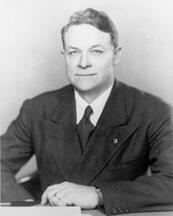
Here you will find contact information for Senator James Wylie Huffman, including email address, phone number, and mailing address.
| Name | James Wylie Huffman |
| Position | Senator |
| State | Ohio |
| Party | Democratic |
| Status | Former Representative |
| Term Start | October 8, 1945 |
| Term End | January 3, 1947 |
| Terms Served | 1 |
| Born | September 13, 1894 |
| Gender | Male |
| Bioguide ID | H000913 |
About Senator James Wylie Huffman
James Wylie Huffman (September 13, 1894 – May 20, 1980) was an American lawyer and Democratic Party politician from Ohio who served as a United States Senator from Ohio during the closing months of World War II and the immediate postwar period. A member of the Democratic Party, he represented Ohio in the United States Senate from 1945 until 1946, completing one term of service in Congress during a significant period in American history. In this role, he participated in the legislative process and represented the interests of his Ohio constituents at a time of major national and international transition.
Born on September 13, 1894, Huffman came of age in an era marked by rapid industrialization and the approach of the First World War. Details of his early life, including his family background and upbringing, are less extensively documented than his later public career, but his subsequent work as an attorney and public official reflects a formative period that prepared him for legal practice and political service. Growing up in Ohio, he would have been exposed to the state’s evolving economic and political landscape, which was shaped by manufacturing, agriculture, and the growth of urban centers.
Huffman pursued a career in law, becoming an American lawyer before entering high-level public office. His legal training and practice provided the foundation for his later political work, equipping him with experience in statutory interpretation, public policy, and the workings of government. As an attorney, he developed the professional credentials and public standing that facilitated his emergence as a Democratic Party figure in Ohio, positioning him to take on greater responsibilities in public life.
Huffman’s congressional service came at a pivotal moment in United States history. He served as a Senator from Ohio in the United States Congress from 1945 to 1947, with his formal representation of Ohio in the United States Senate recorded from 1945 until 1946. During this single term in office, he contributed to the legislative process as the nation transitioned from wartime to peacetime, confronting issues related to demobilization, veterans’ affairs, economic reconversion, and the early contours of the postwar international order. As a member of the Senate, he participated in the democratic process and worked within the framework of the Democratic Party’s agenda, representing Ohio’s interests in national debates and deliberations.
Although his tenure in the Senate was relatively brief, Huffman’s service coincided with the end of World War II and the beginning of the United States’ postwar responsibilities at home and abroad. In this context, his role as a senator involved consideration of legislation affecting returning servicemembers, industrial readjustment, and the evolving structure of federal programs that had expanded during the New Deal and the war years. His participation in these deliberations placed him among the cohort of lawmakers responsible for shaping the immediate postwar legislative landscape.
After leaving the Senate, Huffman returned to private life and continued to be identified with the legal profession and the Democratic Party in Ohio. His post-congressional years reflected a transition from national office back to roles more typical of a senior attorney and former public official, drawing on his experience in federal legislative service. While he did not again hold a seat in Congress, his earlier work in the Senate remained a notable part of his public record and professional legacy.
James Wylie Huffman died in Pickerington, Ohio, on May 20, 1980. In recognition of his service to the nation, he was buried at Arlington National Cemetery, a resting place reserved for many of the country’s military veterans and distinguished public servants. His interment there underscores the national significance of his contributions as an American lawyer, Democratic Party politician, and United States Senator from Ohio during one of the most consequential periods of the twentieth century.