Senator James Kimble Vardaman
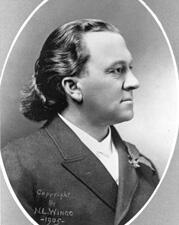
Here you will find contact information for Senator James Kimble Vardaman, including email address, phone number, and mailing address.
| Name | James Kimble Vardaman |
| Position | Senator |
| State | Mississippi |
| Party | Democratic |
| Status | Former Representative |
| Term Start | April 7, 1913 |
| Term End | March 3, 1919 |
| Terms Served | 1 |
| Born | July 26, 1861 |
| Gender | Male |
| Bioguide ID | V000070 |
About Senator James Kimble Vardaman
James Kimble Vardaman served as a Senator from Mississippi in the United States Congress from 1913 to 1919. A member of the Democratic Party, James Kimble Vardaman contributed to the legislative process during 1 term in office.
James Kimble Vardaman’s service in Congress occurred during a significant period in American history. As a member of the Senate, James Kimble Vardaman participated in the democratic process and represented the interests of constituents.
James Kimble Vardaman (July 26, 1861 – June 25, 1930) was an American politician from the U.S. state of Mississippi. A Democrat, he served as the Governor of Mississippi from 1904 to 1908 and then represented Mississippi in the United States Senate from 1913 to 1919. Known as “The Great White Chief”, Vardaman had gained electoral support for his advocacy of populism and white supremacy, saying: “If it is necessary every Negro in the state will be lynched; it will be done to maintain white supremacy.” Aligning with economically left-wing populists and favoring progressive reforms in railing against banks, railroads, and tariffs, he appealed to the poorer whites, yeomen farmers, and factory workers. Vardaman’s tenure as Governor of Mississippi was marked by his advocacy of regulating corporations, enacting child labor laws, segregating streetcars, ending educational opportunities for African Americans, and defending lynching. After finishing his term, he defeated Democratic incumbent LeRoy Percy, a member of the planter elite, in the primary for the 1912 U.S. Senate election, and was then elected unopposed in the general election.