Representative John Randolph Neal
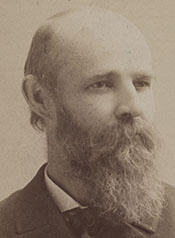
Here you will find contact information for Representative John Randolph Neal, including email address, phone number, and mailing address.
| Name | John Randolph Neal |
| Position | Representative |
| State | Tennessee |
| District | 3 |
| Party | Democratic |
| Status | Former Representative |
| Term Start | December 7, 1885 |
| Term End | March 3, 1889 |
| Terms Served | 2 |
| Born | November 26, 1836 |
| Gender | Male |
| Bioguide ID | N000013 |
About Representative John Randolph Neal
John Randolph Neal (November 26, 1836 – March 26, 1889) was an American politician, attorney, and educator who served as a Democratic Representative from Tennessee in the United States Congress from 1885 to 1889. He represented Tennessee’s 3rd congressional district in the Forty-ninth and Fiftieth Congresses, contributing to the legislative process during two terms in office and representing the interests of his constituents during a significant period in American history.
Neal was born on November 26, 1836, near Clinton, in Anderson County, Tennessee, the son of John O’Brien Neal and Permelia Young Neal. He attended local common schools and then Hiwassee College in Monroe County, Tennessee, before pursuing higher education in Virginia. He graduated from Emory and Henry College in Emory, Virginia, in 1858. After completing his college studies, he returned to Tennessee, where he taught school at Post Oak Springs and simultaneously studied law. He was admitted to the bar in 1859 and commenced the practice of law in Athens, Tennessee.
At the outset of the American Civil War, Neal entered Confederate service. He enlisted in the Confederate Army and was elected captain of a cavalry troop that later became part of the 16th Battalion, Tennessee Cavalry. Over the course of his military service, he was promoted to lieutenant colonel of the battalion. Around the beginning of the war, he married Mary E. C. Brown, daughter of Franklin Brown. The couple had three children: Dr. John R. Neal Jr., who became a professor of law at the University of Tennessee and later gained prominence as an attorney in the Scopes Trial; Commander George F. Neal of the United States Navy, who received the Distinguished Service Order from King George V for sinking a German submarine during World War I and the Navy Cross from the United States Congress for loyal service; and a daughter, Amanda Neal Wheelock.
Following the Civil War, Neal resumed civilian life in Tennessee. He taught school for several years and continued to build his legal career. He eventually settled at Rhea Springs in Rhea County, Tennessee, where he maintained an active law practice. His growing prominence in the community and in legal circles led him into state politics. In 1874, he was elected to the Tennessee House of Representatives. He later served in the Tennessee Senate in 1878 and 1879, and in 1879 he was chosen as the presiding officer of the Senate, reflecting the confidence his colleagues placed in his leadership and parliamentary abilities.
Neal’s state legislative experience provided the foundation for his subsequent national service. A member of the Democratic Party, he was elected as a Democrat to the Forty-ninth and Fiftieth Congresses, representing Tennessee’s 3rd congressional district in the U.S. House of Representatives. His congressional service began on March 4, 1885, and continued until March 3, 1889. During these two terms in Congress, he participated in the democratic process at the federal level and contributed to the legislative work of the House during a transformative era in post-Reconstruction America. Although positioned to continue his career in national politics, Neal declined to be a candidate for renomination in 1888, citing ill health as the reason for his withdrawal from electoral politics.
After leaving Congress, Neal returned to Rhea Springs, Tennessee. His health continued to decline, and he died there in Rhea County on March 26, 1889, at the age of 52 years and 120 days. He was interred in the W. F. Brown family cemetery at Post Oak Springs in Roane County, Tennessee, linking his final resting place to the community where he had once taught school and begun his professional life.