Governor John Whiteaker
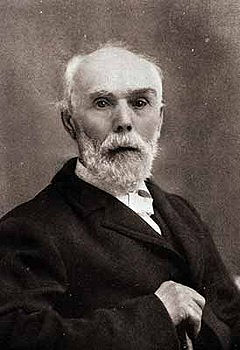
Here you will find contact information for Governor John Whiteaker, including email address, phone number, and mailing address.
| Name | John Whiteaker |
| Position | Governor |
| State | Oregon |
| Party | Democratic |
| Status | Former Representative |
| Term Start | January 1, 1859 |
| Term End | December 31, 1862 |
| Website | Official Website |
About Governor John Whiteaker
JOHN WHITEAKER was born in Dearborn County, Indiana. Self-educated, he volunteered for military service during the war with Mexico, although his company was not called to duty. He worked as a carpenter and cabinetmaker before moving to California during the gold rush, earning enough money to move his family to Oregon over the Oregon Trail in 1852. There, he farmed and became active in the Democratic Party. He was elected Judge of the Probate Court for Lane County in 1945 and to the Territorial Legislature the following year. Following the adoption of a state constitution, he was nominated for governor by one faction of the Democratic Party, defeating his Democratic opponent after the Republican candidate withdrew from the race. Eight months after his inauguration, Oregon was admitted to the Union and Whiteaker assumed office as governor of the new state. While governor, he advocated the development of home industries. Taking a pro-slavery position during the Civil War, he alienated many of his supporters but remained in office until his term ended. After leaving the governorship, he was elected to three terms in the lower branch of the state legislature as well as to the state Senate, serving as presiding officer of both bodies. He went on to win election to the U.S. House of Representatives, where he attracted national attention when the Democratic Party chartered a train to take him to Washington in time to vote for a Democratic Speaker. While a member of Congress, he introduced legislation authorizing negotiations with a number of Indian tribes with the intent to eliminate their title to reservation lands and move them to reservations outside the State of Oregon. In 1885 he was appointed Collector of Internal Revenue in Oregon, retiring four year later to Eugene, where he died.