Senator Joseph Allen Frear
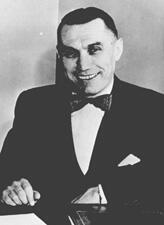
Here you will find contact information for Senator Joseph Allen Frear, including email address, phone number, and mailing address.
| Name | Joseph Allen Frear |
| Position | Senator |
| State | Delaware |
| Party | Democratic |
| Status | Former Representative |
| Term Start | January 3, 1949 |
| Term End | January 3, 1961 |
| Terms Served | 2 |
| Born | March 7, 1903 |
| Gender | Male |
| Bioguide ID | F000356 |
About Senator Joseph Allen Frear
Joseph Allen Frear Jr. (March 7, 1903 – January 15, 1993) was an American businessman and politician who represented Delaware in the United States Senate from 1949 to 1961. A member of the Democratic Party, he served two terms in the Senate during a significant period in American history, contributing to the legislative process and representing the interests of his constituents. His Senate career ended when he was defeated for a third term by Republican Governor J. Caleb Boggs in the 1960 election.
Born on March 7, 1903, Frear grew up in Delaware and was shaped by the economic and social changes of the early twentieth century. Coming of age in the years surrounding World War I and the interwar period, he entered adulthood at a time when Delaware was undergoing industrial and commercial development. These formative experiences influenced his later interest in business and public affairs and helped prepare him for a career that would combine private enterprise with public service.
Before entering national politics, Frear established himself as a businessman, gaining practical experience in the economic life of his state. His work in business provided him with a grounding in finance, management, and the concerns of employers and workers alike. This background informed his approach to public policy, particularly in areas related to economic development, infrastructure, and the needs of a growing postwar economy. His reputation as a capable businessman contributed to his viability as a candidate for higher office.
Frear’s political career reached its peak with his election to the United States Senate from Delaware in 1948, taking office on January 3, 1949. As a Democratic senator serving during the administrations of Harry S. Truman, Dwight D. Eisenhower, and the opening of John F. Kennedy’s presidency, he participated in the democratic process at a time marked by the Cold War, the early civil rights movement, and major debates over domestic economic policy. Throughout his two terms, which extended until January 3, 1961, he contributed to the legislative process, engaged in committee work, and worked to advance the interests of Delaware’s citizens in areas such as commerce, transportation, and federal support for state and local initiatives.
During his twelve years in the Senate, Frear represented Delaware’s interests in a period of rapid national change, including post–World War II reconstruction, the Korean War, and the beginnings of the space age. As a senator, he was part of deliberations on foreign policy, national defense, and the evolving role of the federal government in economic and social life. His service coincided with the transformation of Delaware’s economy and infrastructure, and he sought to ensure that his state benefited from federal programs and investments that supported growth and modernization.
Frear’s Senate tenure concluded following the 1960 election, when he was defeated in his bid for a third term by J. Caleb Boggs, the Republican governor of Delaware. His departure from the Senate on January 3, 1961, marked the end of his direct role in national legislative affairs, but his years in office left a record of sustained engagement with the central issues of mid-twentieth-century American governance. After leaving Congress, he returned to private life, drawing on his earlier business experience and remaining a respected figure in Delaware’s civic and political circles.
In his later years, Frear lived quietly, removed from the day-to-day demands of public office but remembered for his service during a pivotal era in American history. He died on January 15, 1993, closing a life that had spanned from the Progressive Era through the end of the Cold War. His career as a businessman and two-term United States senator from Delaware reflected both his personal commitment to public service and the broader currents of American political and economic development in the twentieth century.