Representative Laurie Calvin Battle
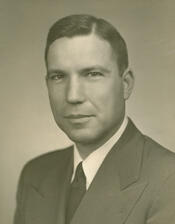
Here you will find contact information for Representative Laurie Calvin Battle, including email address, phone number, and mailing address.
| Name | Laurie Calvin Battle |
| Position | Representative |
| State | Alabama |
| District | 9 |
| Party | Democratic |
| Status | Former Representative |
| Term Start | January 3, 1947 |
| Term End | January 3, 1955 |
| Terms Served | 4 |
| Born | May 10, 1912 |
| Gender | Male |
| Bioguide ID | B000242 |
About Representative Laurie Calvin Battle
Laurie Calvin Battle (May 10, 1912 – May 2, 2000) was a U.S. Representative from Alabama who served in the United States Congress from 1947 to 1955. A member of the Democratic Party, he represented his constituents during a significant period in American history, contributing to the legislative process over four consecutive terms in the House of Representatives. His career in public service was shaped by his early life in the South and his military experience during World War II.
Battle was born on May 10, 1912, and came of age in an era marked by the aftermath of World War I, the Great Depression, and the social and economic transformations of the early twentieth century. These formative years in Alabama exposed him to the political and economic challenges facing the region, including issues of rural development, industrialization, and public infrastructure, which would later inform his interests and priorities as a legislator.
As a young man, Battle pursued his education with the intention of entering public life at a time when higher education was becoming increasingly important for political leadership. His studies provided him with grounding in the liberal arts and public affairs, preparing him for both military and political service. The skills and perspectives he gained through his education contributed to his effectiveness as a representative and his ability to navigate complex policy questions in Congress.
During World War II, Battle served in the United States Army Air Forces, where he was assigned to the Asiatic-Pacific Theater. His military service placed him in one of the most critical arenas of the global conflict, exposing him to the logistical, strategic, and human dimensions of modern warfare. This experience deepened his understanding of national defense, veterans’ needs, and international affairs, and it strengthened his credentials as part of the generation of veterans who would assume leadership roles in the postwar United States.
Following the war, Battle entered electoral politics and was elected as a Democrat to the U.S. House of Representatives from Alabama, beginning his service in 1947. He served four terms, remaining in office until 1955. His tenure coincided with the early Cold War, the beginning of the civil rights era, and the consolidation of New Deal–era federal programs. As a member of the House of Representatives, Laurie Calvin Battle participated actively in the democratic process, representing the interests of his Alabama constituents while engaging with national debates over economic policy, defense spending, and the evolving role of the federal government. Within this context, he contributed to the legislative process during a period of rapid social and geopolitical change.
Battle’s congressional service from 1947 to 1955 placed him among the Southern Democrats who were influential in shaping domestic policy in the mid-twentieth century. He worked within the committee and party structures of the House to address the concerns of his district, including agriculture, infrastructure, and postwar economic adjustment. His role required balancing local priorities with the broader national agenda, particularly as the United States confronted challenges related to Cold War containment, veterans’ benefits, and the early stirrings of federal civil rights initiatives.
After leaving Congress in 1955, Battle remained identified with the public life of Alabama and the legacy of the World War II generation in American politics. His later years reflected the trajectory of many mid-century legislators who had helped guide the country through the transition from wartime mobilization to postwar prosperity and global leadership. Laurie Calvin Battle died on May 2, 2000, closing a life that spanned much of the twentieth century and encompassed military service, elected office, and participation in some of the most consequential developments in modern American history.