Senator Lawrence Davis Tyson
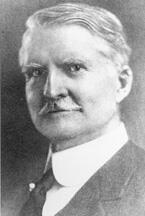
Here you will find contact information for Senator Lawrence Davis Tyson, including email address, phone number, and mailing address.
| Name | Lawrence Davis Tyson |
| Position | Senator |
| State | Tennessee |
| Party | Democratic |
| Status | Former Representative |
| Term Start | December 7, 1925 |
| Term End | August 24, 1929 |
| Terms Served | 1 |
| Born | July 4, 1861 |
| Gender | Male |
| Bioguide ID | T000456 |
About Senator Lawrence Davis Tyson
Lawrence Davis Tyson served as a Senator from Tennessee in the United States Congress from 1925 to 1929. A member of the Democratic Party, Lawrence Davis Tyson contributed to the legislative process during 1 term in office.
Lawrence Davis Tyson’s service in Congress occurred during a significant period in American history. As a member of the Senate, Lawrence Davis Tyson participated in the democratic process and represented the interests of constituents.
Lawrence Davis Tyson (July 4, 1861 – August 24, 1929) was an American brigadier general, politician, lawyer and textile manufacturer, who operated primarily out of Knoxville, Tennessee during the late 19th and early 20th centuries. During World War I, Tyson commanded the 59th Brigade of the 30th Infantry Division, then served as a Democratic United States senator from Tennessee from 1925 until his death. A graduate of West Point, Tyson first saw military action during the Apache Wars in the 1880s. He moved to Knoxville in 1891 to teach military science at the University of Tennessee, became a lawyer and also led the 6th Regiment, Tennessee Volunteer Infantry during the Spanish–American War. Tyson helped organize the Knoxville Cotton Mills in the early 20th century and served as president of the second Appalachian Exposition in 1911. From 1902 to 1908, Tyson served in the Tennessee House of Representatives, and was Speaker of the Tennessee House from 1903 to 1905. During the Hundred Days Offensive of World War I, the 59th Brigade, under Tyson’s leadership, became one of the first Allied brigades to break through the Hindenburg Line.