Representative Le Gage Pratt
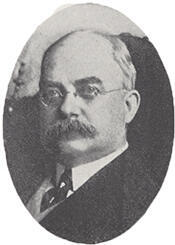
Here you will find contact information for Representative Le Gage Pratt, including email address, phone number, and mailing address.
| Name | Le Gage Pratt |
| Position | Representative |
| State | New Jersey |
| District | 8 |
| Party | Democratic |
| Status | Former Representative |
| Term Start | December 2, 1907 |
| Term End | March 3, 1909 |
| Terms Served | 1 |
| Born | December 14, 1852 |
| Gender | Male |
| Bioguide ID | P000504 |
About Representative Le Gage Pratt
Le Gage Pratt (December 14, 1852 – March 9, 1911) was an American businessman and politician who served as a U.S. Representative from New Jersey for one term from 1907 to 1909. A member of the Democratic Party, he represented his constituents in the United States House of Representatives during a significant period in American history, contributing to the legislative process at the dawn of the twentieth century.
Born on December 14, 1852, Pratt came of age in the post–Civil War era, a time of rapid industrialization and political realignment in the United States. Details of his early life and family background are not extensively documented in the public record, but his later career as a businessman indicates that he was drawn into the commercial and economic developments that characterized the Gilded Age and the early Progressive Era. His experiences in business helped shape his understanding of the economic and social issues that would later inform his political career.
Pratt established himself professionally as a businessman before entering national politics. Operating in an era marked by expanding markets, growing corporations, and increasing public scrutiny of business practices, he gained practical experience in the private sector that would have been directly relevant to the policy debates of his time. This background provided him with insight into the concerns of both employers and workers, as well as the broader economic interests of his community and state.
Le Gage Pratt’s congressional service began when he was elected as a Democrat to the United States House of Representatives from New Jersey, serving a single term from 1907 to 1909. During this period, the nation was grappling with issues such as economic regulation, labor conditions, and political reform. As a member of the House of Representatives, Pratt participated in the democratic process and represented the interests of his constituents, contributing to deliberations and votes on legislation that reflected the emerging priorities of the Progressive Era. His term placed him among those lawmakers navigating the transition from nineteenth-century political norms to a more activist federal government.
Serving in Congress during this significant period in American history, Pratt took part in the institutional work of the House, including committee activity, floor debates, and the consideration of bills affecting both New Jersey and the nation at large. Although the detailed record of his specific legislative initiatives is limited, his role as a Representative ensured that the perspectives of his district were included in national decision-making at a time of notable social and economic change. His service from 1907 to 1909 marked his principal contribution to federal public life.
After the conclusion of his single term in Congress in 1909, Pratt returned to private life. Consistent with the pattern of many one-term members of the House in this era, he resumed his business pursuits and remained a figure whose public identity was shaped by both his commercial experience and his brief but meaningful tenure in national office. He lived out his remaining years away from the center of federal power, as the country continued to evolve politically and economically in the years leading up to the First World War.
Le Gage Pratt died on March 9, 1911. His career as an American businessman and politician, and particularly his service as a U.S. Representative from New Jersey from 1907 to 1909, placed him among those early twentieth-century legislators who helped guide the nation through a formative period of its modern development.