Governor Leonard James Farwell
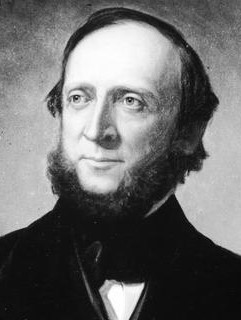
Here you will find contact information for Governor Leonard James Farwell, including email address, phone number, and mailing address.
| Name | Leonard James Farwell |
| Position | Governor |
| State | Wisconsin |
| Party | Whig |
| Status | Former Representative |
| Term Start | January 1, 1852 |
| Term End | December 31, 1854 |
| Website | Official Website |
About Governor Leonard James Farwell
Born in Watertown, New York, LEONARD JAMES FARWELL went into business as a tinsmith in Lockport, Illinois at the age of nineteen. After moving to Wisconsin, he purchased a tract of land in Madison amounting to half the city and began developing his holdings in 1849, operating a variety of businesses and helping to lay out the city’s streets and to erect its public buildings. He also played an active role in organizing the State Historical Society, the State Agricultural Society, the public school system, and the state university. In 1859, he accepted the Whig nomination for Governor and defeated his Democratic opponent. During his gubernatorial term, he secured adoption of a state banking system previously approved by referendum, as well as the establishment of a separate Supreme Court. In addition, Wisconsin permanently renounced capital punishment during his term, and he organized a successful Immigration Bureau to attract foreigners to the state. He refused renomination in 1853 by a People’s Convention composed of Free Soilers. He was later elected to a session of the State Assembly. During the Civil War, he was vice president of a relief association for Wisconsin soldiers. In 1863, President Lincoln appointed him Assistant Examiner in the Patent Office in Washington, D.C. He was quickly promoted to Principal Examiner of Inventions, a post that he retained until 1870. On April 14, 1865, he was in the audience at Ford’s Theater, witnessing the assassination of President Lincoln. He was credited with saving Andrew Johnson’s life by rushing to warn him of a possible conspiracy. He declined Johnson’s offer of any position that he wanted, instead opening an agency in Chicago to solicit patents, only to be wiped out by the Chicago fire of October 9, 1871. He then moved to Grant City, Missouri, where he formed a banking and real estate partnership.