Representative Leslie Aspin
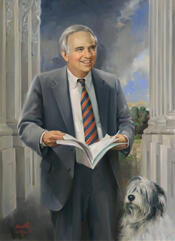
Here you will find contact information for Representative Leslie Aspin, including email address, phone number, and mailing address.
| Name | Leslie Aspin |
| Position | Representative |
| State | Wisconsin |
| District | 1 |
| Party | Democratic |
| Status | Former Representative |
| Term Start | January 21, 1971 |
| Term End | January 20, 1993 |
| Terms Served | 12 |
| Born | July 21, 1938 |
| Gender | Male |
| Bioguide ID | A000224 |
About Representative Leslie Aspin
Leslie Aspin served as a Representative from Wisconsin in the United States Congress from 1971 to 1993. A member of the Democratic Party, Leslie Aspin contributed to the legislative process during 12 terms in office.
Leslie Aspin’s service in Congress occurred during a significant period in American history. As a member of the House of Representatives, Leslie Aspin participated in the democratic process and represented the interests of constituents.
Leslie Aspin Jr. (July 21, 1938 – May 21, 1995) was an American Democratic Party politician and economist who served as the U.S. representative for Wisconsin’s 1st congressional district from 1971 to 1993 and as the 18th United States Secretary of Defense under President Bill Clinton from 1993 to 1994. In Congress, Aspin had a reputation as an intellectual who took a middle-of-the-road position on controversial issues. He supported the Reagan administration regarding the MX missile and aid to the Nicaraguan Contras, but he opposed the B-2 bomber and the Strategic Defense Initiative. He played a major role in convincing the House to support the January 1991 resolution supporting the use of force by President George H. W. Bush against Iraq, after it invaded Kuwait. As Secretary of Defense, Aspin faced complex social issues, such as the roles of homosexuals in uniform, and of women in combat, as well as major decisions regarding the use of military force in Somalia, Bosnia, and Haiti. He proposed budget cuts and restructuring of forces as part of the downsizing of the military after the end of the Cold War. The deaths of U.S. soldiers in Somalia because of inadequate military support led to his resignation.