Representative Louis Bertrand Goodall
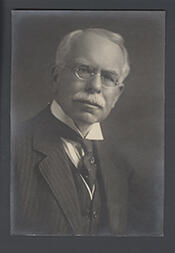
Here you will find contact information for Representative Louis Bertrand Goodall, including email address, phone number, and mailing address.
| Name | Louis Bertrand Goodall |
| Position | Representative |
| State | Maine |
| District | 1 |
| Party | Republican |
| Status | Former Representative |
| Term Start | April 2, 1917 |
| Term End | March 3, 1921 |
| Terms Served | 2 |
| Born | September 23, 1851 |
| Gender | Male |
| Bioguide ID | G000276 |
About Representative Louis Bertrand Goodall
Louis Bertrand Goodall (September 23, 1851, in Winchester, New Hampshire – June 26, 1935, in Sanford, Maine) was an American businessman and Republican politician who served two terms as a United States Representative from Maine from 1917 to 1921. Over the course of his career he became a prominent figure in New England’s textile and banking industries before entering national politics during a pivotal era in American history.
Goodall moved with his parents from Winchester to Troy, New Hampshire, in 1852. He was educated in the common schools of Troy and then attended a succession of private and preparatory institutions that reflected both regional and international influences. His schooling included a private school in Thompson, Connecticut, the Vermont Episcopal Institute, a private school in England, and the Kimball Union Academy in Meriden, New Hampshire. This broad educational background prepared him for a career in business and public life.
In 1874 Goodall entered his father’s mills at Sanford, Maine, marking the beginning of a long and influential career in the textile industry. He engaged extensively in wool manufacturing and played a central role in the development of the local industrial economy. He later established the Goodall Worsted Company, which became notable for originating Palm Beach cloth, a lightweight fabric that achieved national popularity in the early twentieth century. Beyond textiles, he expanded his interests into the railroad business, reflecting the close relationship between manufacturing and transportation in that period.
Goodall also became a leading figure in regional finance. In 1896 he was instrumental in the organization of the Sanford National Bank and served as its president from its founding. His prominence in business and civic affairs led to broader public responsibilities; in 1904 he was appointed chairman of the Maine commission to the Louisiana Purchase Exposition in St. Louis, Missouri, representing the state at one of the major national expositions of the era. These roles enhanced his reputation as a capable administrator and community leader.
Building on his business and civic standing, Goodall entered national politics as a member of the Republican Party. He was elected as a Republican to the Sixty-fifth and Sixty-sixth Congresses, serving in the United States House of Representatives from March 4, 1917, to March 3, 1921. His service in Congress occurred during a significant period in American history, encompassing the First World War and the immediate postwar years. As a member of the House of Representatives, Louis Bertrand Goodall participated in the democratic process, contributed to the legislative work of the chamber, and represented the interests of his Maine constituents. During the Sixty-sixth Congress he was elected chairman of the Committee on Elections No. 2, giving him a formal leadership role in overseeing contested election cases and related matters.
After two terms in office, Goodall chose not to be a candidate for renomination in 1920 and returned to private life. He resumed his manufacturing interests and continued his involvement in banking in Sanford, Maine, remaining active in the enterprises he had helped to build. He lived in Sanford until his death there on June 26, 1935. Louis Bertrand Goodall was interred in Oakdale Cemetery, leaving a legacy as both an industrial leader and a public servant who represented Maine in the national legislature during a transformative era.