Senator Lyman Rufus Casey
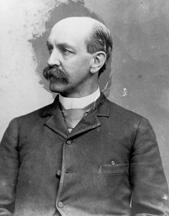
Here you will find contact information for Senator Lyman Rufus Casey, including email address, phone number, and mailing address.
| Name | Lyman Rufus Casey |
| Position | Senator |
| State | North Dakota |
| Party | Republican |
| Status | Former Representative |
| Term Start | December 2, 1889 |
| Term End | March 3, 1893 |
| Terms Served | 1 |
| Born | May 6, 1837 |
| Gender | Male |
| Bioguide ID | C000227 |
About Senator Lyman Rufus Casey
Lyman Rufus Casey Jr. (May 6, 1837 – January 26, 1914) was a United States senator from North Dakota and a member of the Republican Party who served one term in the United States Congress from 1889 to 1893. His tenure in the Senate coincided with a significant period in American history marked by the admission of new western states, debates over economic policy, and the evolving political identity of the Great Plains.
Casey was born on May 6, 1837, in York, Livingston County, New York. He spent his early years in upstate New York, where he was raised in a region that was then largely agricultural and rapidly developing. Although detailed records of his early education are limited, he was educated in the common schools of the area, gaining the basic formal schooling typical of mid-19th-century rural communities. This upbringing in a frontier-adjacent environment would later inform his understanding of the needs and priorities of settlers and farmers in the Upper Midwest.
As a young man, Casey moved westward, part of the broader migration that was reshaping the United States in the decades before and after the Civil War. He engaged in business pursuits and became involved in agricultural and commercial activities, experiences that helped establish his reputation as a practical and business-minded citizen. Over time, he settled in what would become North Dakota, aligning his interests with the development of the northern plains and the emerging communities that would later seek statehood and representation in Congress.
Casey’s political career developed alongside the transformation of Dakota Territory into the states of North Dakota and South Dakota. A committed Republican, he became active in public affairs as the region’s population grew and its residents pressed for full political rights within the Union. When North Dakota was admitted as a state in 1889, Casey was selected to represent the new state in the United States Senate. His election reflected both his standing among local leaders and the Republican Party’s strength in the region during this formative period.
In the United States Senate, where he served from 1889 to 1893, Lyman Rufus Casey contributed to the legislative process during one term in office and participated fully in the democratic governance of the newly admitted state. As a senator from North Dakota, he represented the interests of his constituents at a time when issues such as land policy, railroad regulation, agricultural development, and the integration of new states into the federal system were central concerns. His service placed him among the first generation of federal lawmakers to speak for North Dakota in Washington, D.C., helping to establish the state’s initial voice in national debates.
After leaving the Senate in 1893, Casey returned to private life. He remained associated with the business and agricultural interests that had shaped his earlier career, and he continued to be identified with the development and settlement ethos of the northern plains. Though no longer in elective office, his prior service in the Senate ensured that he retained a measure of public recognition as one of North Dakota’s early federal representatives.
Lyman Rufus Casey Jr. died on January 26, 1914. His life spanned from the antebellum era through the early 20th century, and his career reflected the westward expansion of the United States and the political maturation of the Great Plains. As a Republican senator from a newly admitted state, he played a role in integrating North Dakota into the federal legislative system and in representing the interests of its citizens during a formative period in both state and national history.