Representative Michael Joseph Hogan
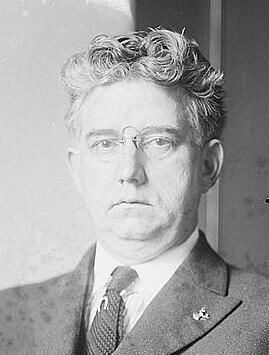
Here you will find contact information for Representative Michael Joseph Hogan, including email address, phone number, and mailing address.
| Name | Michael Joseph Hogan |
| Position | Representative |
| State | New York |
| District | 7 |
| Party | Republican |
| Status | Former Representative |
| Term Start | April 11, 1921 |
| Term End | March 3, 1923 |
| Terms Served | 1 |
| Born | April 22, 1871 |
| Gender | Male |
| Bioguide ID | H000693 |
About Representative Michael Joseph Hogan
Michael Joseph Hogan was an American politician who served as a Representative from New York in the United States Congress from 1921 to 1923. A member of the Republican Party, he held office during a significant period in American history, in the early years following World War I and amid the social and economic adjustments of the 1920s. As a member of the House of Representatives, Hogan participated in the democratic process and represented the interests of his New York constituents in the national legislature.
Hogan’s early life and formative years preceded his entry into public service, culminating in his election to Congress as part of the postwar political realignment. Although details of his childhood and upbringing are not extensively documented in the existing record, his emergence as a Republican officeholder from New York indicates that he was active in local political and civic affairs before attaining national office. His background and experiences helped shape the perspective he brought to legislative work in Washington, D.C.
In terms of formal education, the surviving record for Michael Joseph Hogan as a New York Representative does not provide specific information about his schooling, degrees, or professional training. Nonetheless, his successful election to the U.S. House of Representatives suggests that he had attained a level of education and public standing consistent with early twentieth‑century expectations for federal legislators. His ability to engage with complex legislative issues and represent a diverse constituency in New York reflects a grounding in the political, economic, and social questions of his time.
Hogan’s broader career is principally known through his single term in the national legislature. Before and after his congressional service, he would have been involved in professional, political, or community roles that positioned him to seek and hold federal office, though specific posts and titles are not preserved in the existing account. His career thus fits within the pattern of many early twentieth‑century representatives whose public prominence was concentrated in a brief but meaningful period of national service.
Michael Joseph Hogan’s congressional service began when he took his seat in the U.S. House of Representatives in 1921 as a Republican Representative from New York. Serving one term, from 1921 to 1923, he contributed to the legislative process during a time marked by debates over postwar economic policy, veterans’ issues, and evolving federal responsibilities in domestic affairs. As a member of the House, he participated in deliberations, committee work, and floor votes that shaped federal policy, and he acted as an advocate for the needs and priorities of his New York district within the broader framework of national governance.
During his tenure, Hogan’s role as a Representative placed him at the center of the democratic process in the United States. He was responsible for conveying the concerns of his constituents to the federal government and for explaining national policy developments back to the people he represented. Although the surviving record does not enumerate specific bills he sponsored or particular committees on which he served, his presence in the 1921–1923 Congress underscores his participation in the legislative response to the social and economic transformations of the early 1920s.
After leaving Congress in 1923, Hogan concluded his brief but notable period of federal service. The existing documentation does not detail his subsequent professional or personal activities, nor does it record the date and place of his death. Nonetheless, his single term in the House of Representatives stands as the defining public achievement of his career, marking him as one of the many early twentieth‑century legislators who contributed to the ongoing development of federal policy and the representation of New York in the national government.