Senator Oscar Wilder Underwood
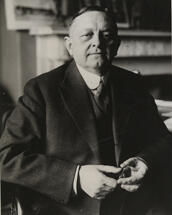
Here you will find contact information for Senator Oscar Wilder Underwood, including email address, phone number, and mailing address.
| Name | Oscar Wilder Underwood |
| Position | Senator |
| State | Alabama |
| Party | Democratic |
| Status | Former Representative |
| Term Start | December 2, 1895 |
| Term End | March 4, 1927 |
| Terms Served | 12 |
| Born | May 6, 1862 |
| Gender | Male |
| Bioguide ID | U000013 |
About Senator Oscar Wilder Underwood
Oscar Wilder Underwood served as a Senator from Alabama in the United States Congress from 1895 to 1927. A member of the Democratic Party, Oscar Wilder Underwood contributed to the legislative process during 12 terms in office.
Oscar Wilder Underwood’s service in Congress occurred during a significant period in American history. As a member of the Senate, Oscar Wilder Underwood participated in the democratic process and represented the interests of constituents.
Oscar Wilder Underwood (May 6, 1862 – January 25, 1929) was an American lawyer and politician from Alabama, and also a candidate for President of the United States in 1912 and 1924. He was the first formally designated floor leader in the United States Senate, and the only individual to serve as the Democratic leader in both the Senate and the United States House of Representatives. Born in Louisville, Kentucky, Underwood began a legal career in Minnesota after graduating from the University of Virginia. He moved his legal practice to Birmingham, Alabama, in 1884 and won election to the House of Representatives in 1894. Underwood served as House Majority Leader from 1911 to 1915, and was a strong supporter of President Woodrow Wilson’s progressive agenda and a prominent advocate of a reduction in the tariff. He sponsored the Revenue Act of 1913, also known as the Underwood Tariff, which lowered tariff rates and imposed a federal income tax. He won election to the Senate in 1914 and served as Senate Minority Leader from 1920 to 1923. He unsuccessfully opposed federal Prohibition, arguing that state and local governments should regulate alcohol. Underwood sought the presidential nomination at the 1912 Democratic National Convention, but the convention selected Woodrow Wilson after forty-six ballots. He declined the vice presidential nomination, which instead went to Thomas R. Marshall. Underwood ran for president again in 1924, entering the 1924 Democratic National Convention as a prominent conservative opponent of the Ku Klux Klan. One of the few prominent anti-Klan politicians in the South at the time, Underwood and his supporters narrowly failed to win adoption of a Democratic resolution condemning the Klan. He experienced a boomlet of support on the 101st presidential ballot of the convention, but the Democrats nominated John W. Davis as a compromise candidate. Underwood declined to run for re-election in 1926 and retired to his Woodlawn plantation in Fairfax County, Virginia, where he died in 1929.