Senator Philander Chase Knox
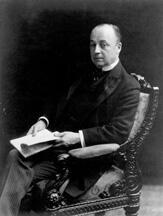
Here you will find contact information for Senator Philander Chase Knox, including email address, phone number, and mailing address.
| Name | Philander Chase Knox |
| Position | Senator |
| State | Pennsylvania |
| Party | Republican |
| Status | Former Representative |
| Term Start | June 10, 1904 |
| Term End | October 12, 1921 |
| Terms Served | 3 |
| Born | May 6, 1853 |
| Gender | Male |
| Bioguide ID | K000296 |
About Senator Philander Chase Knox
Philander Chase Knox served as a Senator from Pennsylvania in the United States Congress from 1904 to 1921. A member of the Republican Party, Philander Chase Knox contributed to the legislative process during 3 terms in office.
Philander Chase Knox’s service in Congress occurred during a significant period in American history. As a member of the Senate, Philander Chase Knox participated in the democratic process and represented the interests of constituents.
Philander Chase Knox (May 6, 1853 – October 12, 1921) was an American lawyer, bank director, statesman and Republican Party politician. He represented Pennsylvania in the United States Senate from 1904 to 1909 and 1917 to 1921. He was the 44th U.S. attorney general in the cabinet of William McKinley and Theodore Roosevelt from 1901 to 1904 and the 40th U.S. secretary of state in the cabinet of William Howard Taft from 1909 to 1913. Born in Brownsville, Pennsylvania, Knox became a prominent attorney in Pittsburgh, forming the law firm of Knox and Reed. With the industrialists Henry Clay Frick and Andrew Mellon, Knox also served as a director of the Pittsburgh National Bank of Commerce. In early 1901, he accepted appointment as United States Attorney General. Knox served under President William McKinley until McKinley was assassinated in September 1901, and Knox continued to serve under President Theodore Roosevelt until 1904, when he resigned to accept appointment to the Senate. Knox won re-election to the Senate in 1905 and unsuccessfully sought the 1908 Republican presidential nomination. In 1909, President William Howard Taft appointed Knox to the position of United States Secretary of State. From that post, Knox reorganized the State Department and pursued dollar diplomacy, which focused on encouraging and protecting U.S. investments abroad. Knox returned to private practice in 1913 after Taft lost re-election. He won election to the Senate in 1916 and played a role in the Senate’s rejection of the Treaty of Versailles. Knox was widely seen as a potential compromise candidate at the 1920 Republican National Convention, but the party’s presidential nomination instead went to Warren G. Harding. While still serving in the Senate, Knox died in October 1921.