Senator Robert John Walker
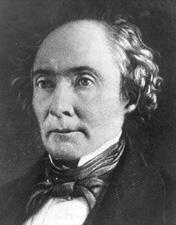
Here you will find contact information for Senator Robert John Walker, including email address, phone number, and mailing address.
| Name | Robert John Walker |
| Position | Senator |
| State | Mississippi |
| Party | Democratic |
| Status | Former Representative |
| Term Start | December 7, 1835 |
| Term End | December 31, 1845 |
| Terms Served | 2 |
| Born | July 19, 1801 |
| Gender | Male |
| Bioguide ID | W000067 |
About Senator Robert John Walker
Robert John Walker served as a Senator from Mississippi in the United States Congress from 1835 to 1845. A member of the Democratic Party, Robert John Walker contributed to the legislative process during 2 terms in office.
Robert John Walker’s service in Congress occurred during a significant period in American history. As a member of the Senate, Robert John Walker participated in the democratic process and represented the interests of constituents.
Robert James Walker (July 19, 1801 – November 11, 1869) was an American lawyer, economist and politician. An active member of the Democratic Party, he served as a member of the U.S. Senate from Mississippi from 1835 until 1845, as Secretary of the Treasury from 1845 to 1849 during the administration of President James K. Polk, and briefly as Territorial Governor of Kansas in 1857. He was responsible for drafting the 1849 bill that eventually established the United States Department of the Interior. As senator, Walker vigorously supported the annexation of Texas. As Secretary of the Treasury, he held responsibility for the management of funds relating to the Mexican–American War. He contributed to a bill called the Walker tariff, which reduced rates to some of the lowest in history. Walker was appointed Governor of Kansas in 1857 by President James Buchanan but resigned shortly after due to his opposition to the administration-sponsored pro-slavery Lecompton Constitution. After his retirement from politics, Walker supported the United States during the American Civil War and continued to practice law in Washington, D.C.