Senator Rufus Choate
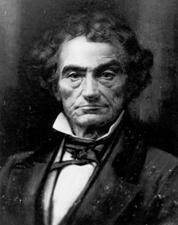
Here you will find contact information for Senator Rufus Choate, including email address, phone number, and mailing address.
| Name | Rufus Choate |
| Position | Senator |
| State | Massachusetts |
| Party | Whig |
| Status | Former Representative |
| Term Start | December 5, 1831 |
| Term End | March 3, 1845 |
| Terms Served | 3 |
| Born | October 1, 1799 |
| Gender | Male |
| Bioguide ID | C000375 |
About Senator Rufus Choate
Rufus Choate served as a Senator from Massachusetts in the United States Congress from 1831 to 1845. A member of the Whig Party, Rufus Choate contributed to the legislative process during 3 terms in office.
Rufus Choate’s service in Congress occurred during a significant period in American history. As a member of the Senate, Rufus Choate participated in the democratic process and represented the interests of constituents.
Rufus Choate () (October 1, 1799 – July 13, 1859) was an American lawyer, orator, and senator who represented Massachusetts as a member of the Whig Party. He is regarded as one of the greatest American lawyers of the 19th century, arguing over a thousand cases in a lifetime practice extending to virtually every branch of the law then recognized. Notably, he was one of the pioneers of the legal technique of arousing jury sympathy in tort cases. In one instance, he won a record judgement of $22,500 for a badly injured widow, the most ever awarded to a plaintiff at the time. Along with his colleague and close associate Daniel Webster, he is also regarded as one of the greatest orators of his age. Among his most famous orations are his Address on The Colonial Age of New England delivered at the centennial celebration of the settlement of Ipswich, Massachusetts in 1831 and his Address on The Age of the Pilgrims as the Heroic Period of Our History before the New England Society of New York in 1843. Through these addresses, Choate became one of the most prominent advocates of promoting the Puritan settlers as the first founders of the American republic. A staunch nationalist and unionist, Choate was among several former Whigs to oppose the Republican Party over concerns that it was a “sectional party” whose platform threatened to separate the Union. In turn, he publicly voiced his support for Democratic candidate James Buchanan over Republican John C. Frémont in the 1856 presidential election.